
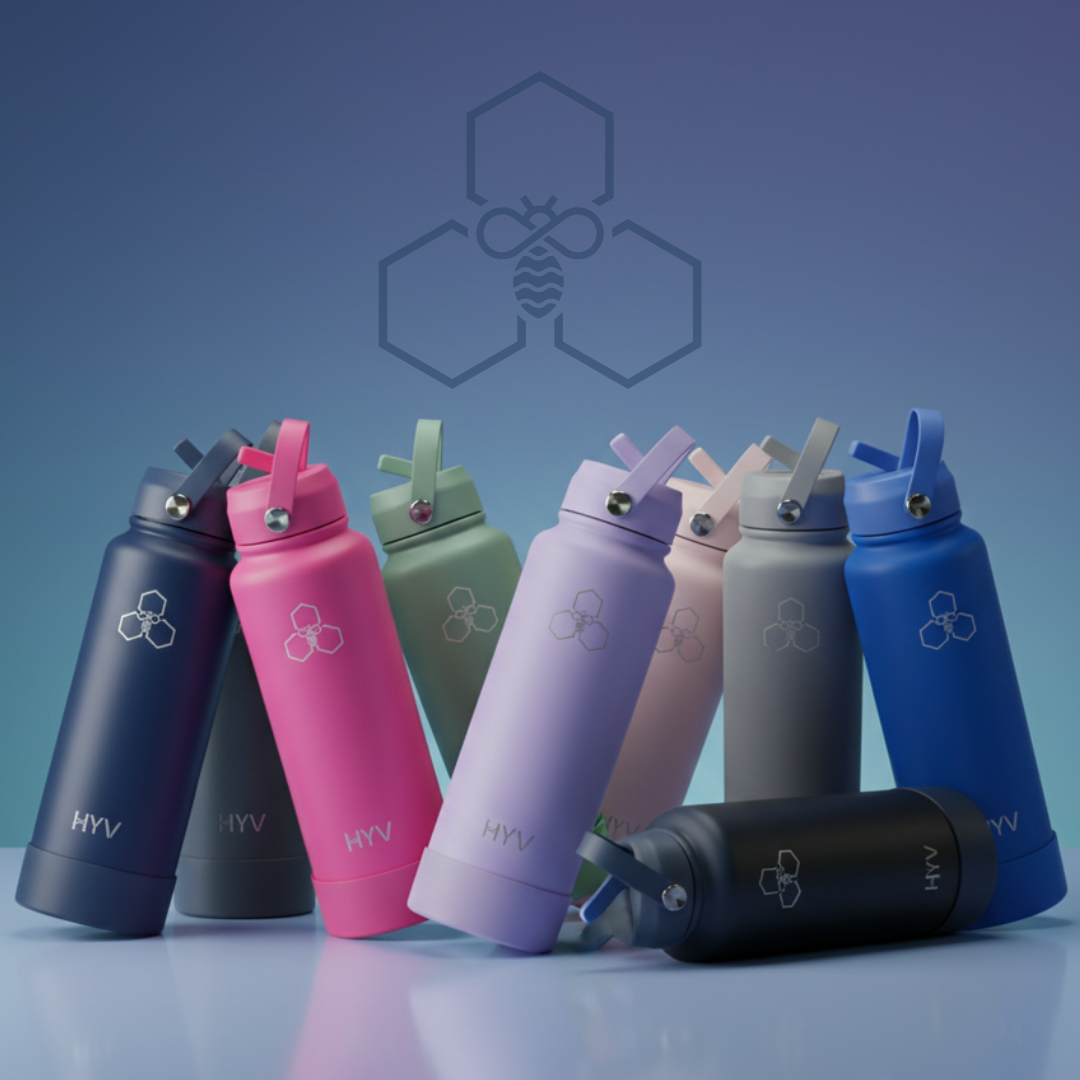




Company gifts succeed when they are useful daily and lightly branded. The categories that fail consistently are branded stationery, guessed-size apparel and generic hampers. Budget ₹800–₹1,500 per head for staff and ₹1,500–₹3,000 for clients, and treat GST as a cost rather than a recoverable.
Key Facts
- Daily-use items outperform occasion items by a wide margin.
- Heavy branding converts a gift into merchandise and reduces use.
- GST input credit is generally unavailable on goods given as gifts.
- Gifts in kind up to ₹5,000 per employee per financial year are generally outside perquisite treatment.
HYV picks, with the actual product
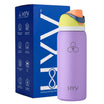
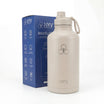
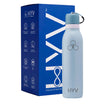
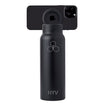
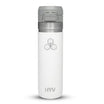
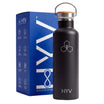
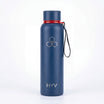
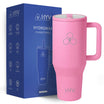
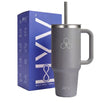
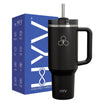
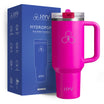
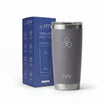
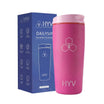
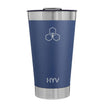
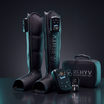
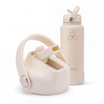
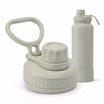
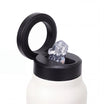
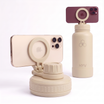
Three models worth looking at for this, photographed as they ship. Prices are the direct price on livehyv.com.


Free shipping on orders over ₹499 · 7-day free replacement for product issues. BIS IS 17526:2021 is granted per product. LuxeSip, LuxeFlow and MagFlex carry it; the other models do not.
By occasion
- Onboarding. Usable on day one, lightly branded. Drinkware, a real notebook, a desk item that solves a first-week problem.
- Festive (Diwali being the big one). One lasting item plus quality consumables. Order six to eight weeks ahead.
- Work anniversaries. Something that marks time rather than something generic — quality over novelty, and personalisation lands well here.
- Client gifts. Higher budget, minimal branding, and check the recipient's own gift policy before sending anything.
- Farewells. Personal beats corporate. This is the one occasion where a company gift should not look like one.
What consistently fails
- Branded stationery. The most discarded corporate gift category there is.
- Apparel in a guessed size. Two failure modes stacked.
- Generic hampers. They signal a category rather than a person.
- Trophies and plaques for anything other than a genuine milestone.
- Gift cards as the whole gift. Maximum flexibility, minimum sentiment — fine as a supplement, weak as the gesture.
The finance side, briefly
- GST. Input tax credit is generally not available on goods disposed of by way of gift. Budget GST-inclusive. Insulated steel drinkware is 18% under HSN 9617, the same as glass and PET.
- Perquisite. Gifts in kind up to ₹5,000 per employee per financial year are generally not treated as taxable, with the excess added to taxable salary. The threshold is annual and cumulative across every gift in kind.
- Invoicing. Confirm the supplier can invoice against your GSTIN before ordering.
General information from a supplier, not tax advice — confirm with your finance team.
Getting it ordered
For branded or bulk orders the mechanics are the same across our range: minimum 25 units, roughly 7–14 days at that volume, laser engraving on 18/8 SS 304 steel. The corporate gifting guide covers budgets, GST and logistics properly.
Two practical habits prevent most problems: collect delivery addresses before placing the order rather than after, and ask for a branded sample before a full run. For a distributed team, address collection is reliably the slowest step in the whole programme.
Getting the register right
The most common miss is not budget, it is register — a gift that is too personal for the relationship, or too impersonal for it.
- Colleagues and acquaintances: useful and neutral. Nothing touching appearance, grooming or health.
- Close friends and siblings: specificity and in-jokes outperform spend by a wide margin.
- Partners and parents: something referencing an actual conversation beats a costlier generic item almost every time.
When you genuinely do not know someone's taste, buy a high-quality version of something everyone uses rather than guessing at style. It is the safest play and it is not a cop-out.
Personalisation: when it helps and when it hurts
Engraving a name or date raises perceived value noticeably and signals planning. It also makes the item non-returnable and non-regiftable, which turns a near-miss into a dead gift.
So personalise when you are confident about the object itself — a name on the right thing is lovely, and a name on the wrong thing removes every escape route. For anything where size, taste or existing ownership is uncertain, leave it plain and include a gift receipt.
More questions
How much should you spend on a gift?
Less than most people assume. Spend correlates weakly with how a gift is received, while specificity correlates strongly — a well-chosen ₹1,200 gift routinely outperforms a generic ₹5,000 one.
What if you do not know their taste?
Buy a high-quality version of something everyone uses daily rather than guessing at style. It removes the need to predict taste, and quality is legible even to someone who would have chosen differently.
Is personalisation worth it?
It raises perceived value and signals planning, but it makes the item non-returnable and non-regiftable. Personalise when you are confident about the object; leave it plain and include a gift receipt when you are not.
Budgets, kits and per-head pricing are set out on the corporate gifting page.
Frequently Asked Questions
What are good company gifts for employees?
Items used daily and branded lightly — good drinkware, quality desk objects, things that solve a practical problem. The test is whether they would use it if the logo were not on it.
How much should a company spend per employee?
₹800 to ₹1,500 for most staff gifting, which reads as considered without creating an obligation. Client gifting typically runs ₹1,500 to ₹3,000.
Are company gifts taxable for employees in India?
Gifts in kind up to ₹5,000 per employee per financial year are generally outside perquisite treatment, with the excess added to taxable salary. It is an annual aggregate across all gifts in kind. Confirm with your finance team.
Should company gifts be branded?
Only lightly. A discreet mark keeps it a gift; heavy branding makes it merchandise, and merchandise tends not to leave the office.

Leave a comment
This site is protected by hCaptcha and the hCaptcha Privacy Policy and Terms of Service apply.