
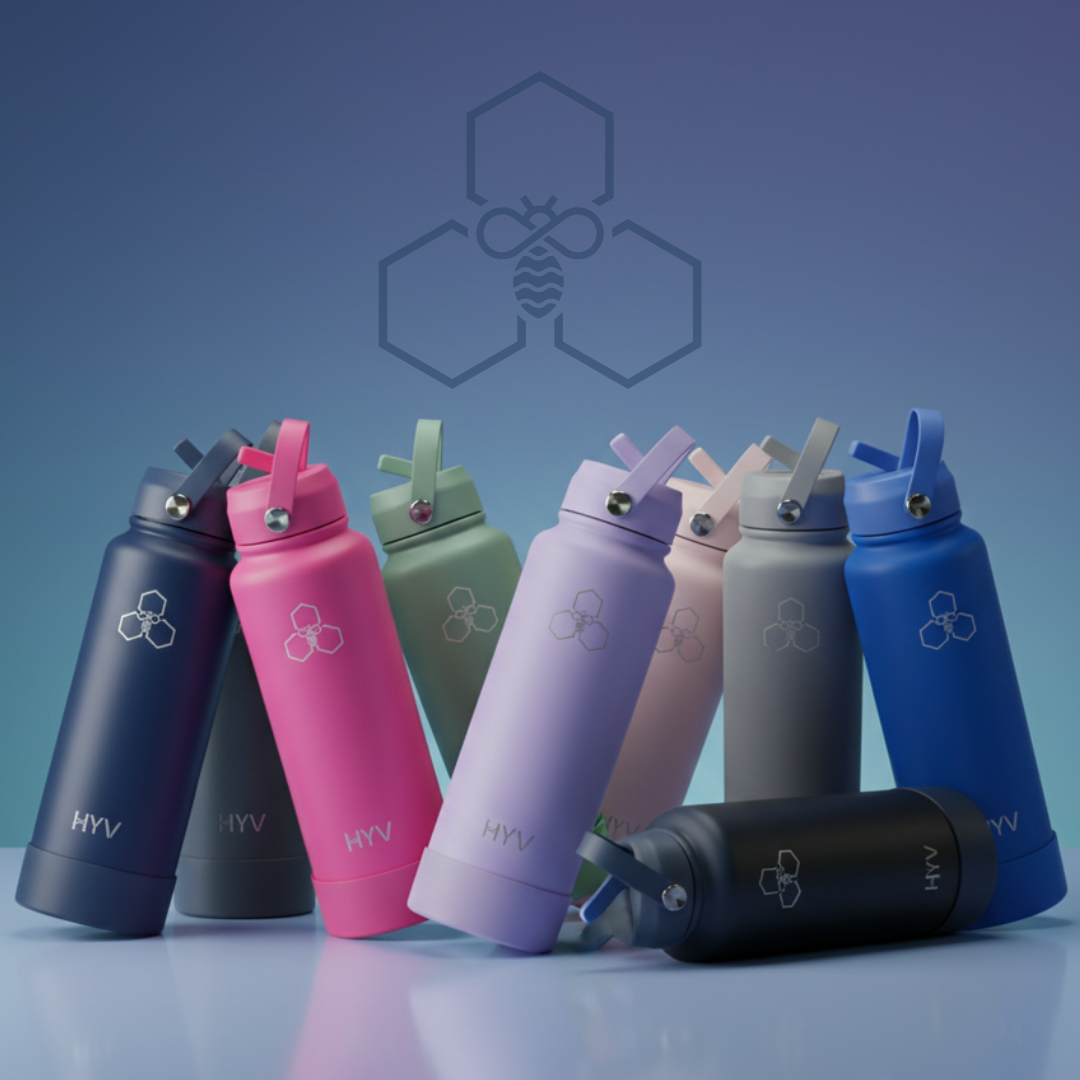




A welcome kit works when the items are usable on day one and are not covered in branding. The reliable core is good drinkware, a real notebook, and something that solves a practical first-week problem. What fails is generic branded merchandise, which reads as onboarding stock rather than a welcome.
Key Facts
- Items usable on day one outperform anything kept "for later".
- Heavy branding turns a welcome kit into uniform and reduces use.
- ₹1,000–₹2,500 per head is a normal band for a considered kit.
- The ₹5,000 per employee per year perquisite threshold is an annual aggregate.
HYV picks, with the actual product
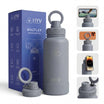
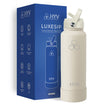
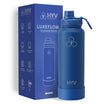
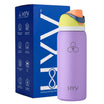
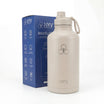
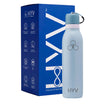
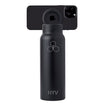
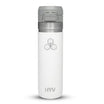
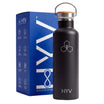
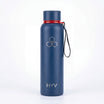
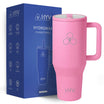
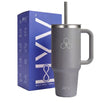
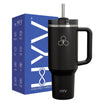
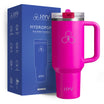
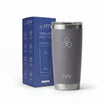
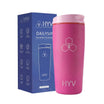
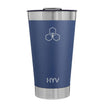
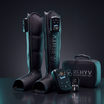
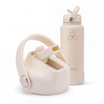
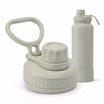
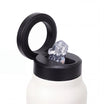
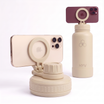
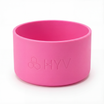
Three models worth looking at for this, photographed as they ship. Prices are the direct price on livehyv.com.


Shop HYV insulated water bottles →
Free shipping on orders over ₹499 · 7-day free replacement for product issues. BIS IS 17526:2021 is granted per product. LuxeSip, LuxeFlow and MagFlex carry it; the other models do not.
What belongs in it
- Drinkware. Used on day one, used every day after, and the item most likely to still be in use a year later.
- A real notebook and a pen worth writing with. Not the branded giveaway version — the difference is obvious and it is cheap.
- Something that solves a first-week problem. A cable organiser, a laptop stand, a good mouse. New joiners are quietly short of exactly these things.
- A handwritten card. Costs nothing and is disproportionately remembered.
What gets quietly binned
- Branded t-shirts in a guessed size. Two problems at once.
- Logo-covered stress balls, keychains and lanyards. Onboarding stock, not a gift.
- Printed handbooks that duplicate something on the intranet.
- Anything requiring an account setup before the person has their credentials.
The pattern is consistent: items that exist to display the company get discarded; items that help the person get kept.
Branding restraint
A welcome kit is the easiest place to over-brand and the worst place to do it. The recipient has just joined — they do not need convincing who they work for, and a kit that looks like merchandise reads as something the company bought for itself.
The convention that works: a discreet mark on one item, and the company identity carried by the packaging and the card. The employee should be able to take the bottle to a café without it being a uniform.
Timing and budget
Timing is the whole thing. A kit that arrives in week three is an admin artefact; a kit on the desk on day one is a welcome. For remote joiners that means shipping to a confirmed home address before the start date, which needs the address collected during offer acceptance rather than after.
Budget: ₹1,000–₹2,500 per head buys a genuinely good kit. Below ₹800 it is hard to include anything durable without it feeling thin.
Tax note: gifts in kind up to ₹5,000 per employee per financial year are generally outside perquisite treatment. It is an annual aggregate, so a welcome kit plus a Diwali gift plus a work-anniversary gift count together. Confirm with your finance team.
For branded or bulk orders the mechanics are the same across our range: minimum 25 units, roughly 7–14 days at that volume, laser engraving on 18/8 SS 304 steel. The corporate gifting guide covers budgets, GST and logistics properly.
The commercial shape of a corporate order
| Order size | Typical unit price | Lead time | Customisation |
|---|---|---|---|
| 25–100 | ₹1,200–2,000 | 7–14 days | Laser engraving |
| 100–500 | ₹1,000–1,700 | 12–18 days | Engraving or UV print |
Prices are indicative for insulated steel and move with specification, colourway and packaging. Lead times quoted in August do not hold in October — the fortnight before Diwali is the worst time to discover that.
For a first order, ask for a physical sample with your branding on it before committing to the full quantity. Any supplier confident in their engraving will agree, and seeing your logo on the actual product settles more arguments internally than a rendering ever will.
Choosing a supplier, not just a product
For a repeatable programme the vendor matters more than the item, because the failure modes are operational rather than aesthetic.
- Can they issue a GST invoice against your GSTIN? Settle this first; it is a surprisingly common blocker.
- Will they produce a branded sample before the full run?
- What is the actual MOQ, and does it change for customised versus stock items?
- Who handles split delivery to home addresses, and what does a failed delivery cost you?
- What happens to spares? If a lid breaks in month four, is there a part to buy, or is the gift dead?
The finance questions that come up every year
- GST input credit. Input tax credit is generally not available on goods disposed of by way of gift. Budget GST-inclusive rather than assuming recovery — this is the single most common budgeting error in corporate gifting.
- Employee perquisite. Gifts in kind up to ₹5,000 per employee per financial year are generally outside perquisite treatment, with the excess added to taxable salary. It is an annual aggregate, so a Diwali gift plus a joining kit plus a work-anniversary gift count together.
- GST rate. Insulated steel drinkware sits under HSN 9617 at 18%. Glass falls under 7010 and PET under 3923, both at 18% — two similar-looking hampers can carry different tax depending on contents.
- Invoicing. Confirm the supplier can issue a GST invoice against your GSTIN before you order, not after delivery.
This is general information from a supplier, not tax advice — confirm the treatment with your own finance team, whose reading of your circumstances is the one that counts.
More questions
What is the minimum order for customised corporate drinkware?
Commonly 25 units for laser engraving on stock products, with turnaround around 7–14 days at that volume. Larger runs of 100–500 typically move to 12–18 days as production and colour matching scale.
Can we claim GST input credit on corporate gifts?
Generally no — input tax credit is not available on goods disposed of by way of gift. Budget GST-inclusive. Insulated steel drinkware sits under HSN 9617 at 18%, and glass and PET are also 18%, so the rate no longer varies with what goes in a hamper.
How much should a corporate gift cost per person?
₹800 to ₹1,500 is the band where a gift reads as considered without creating an obligation to reciprocate. Client gifting typically runs higher, at ₹1,500 to ₹3,000.
Frequently Asked Questions
What should be in a new employee welcome kit?
Things usable on day one: good drinkware, a proper notebook and pen, and something that solves a practical first-week problem. Add a handwritten card — it costs nothing and is remembered more than anything else in the box.
How much should a welcome kit cost?
₹1,000 to ₹2,500 per head buys a kit that feels considered. Below about ₹800 it becomes difficult to include anything durable, and a kit of only consumables and branded items reads as onboarding stock.
Should welcome kits be branded?
Lightly. A discreet mark on one item is fine; heavy branding turns the kit into uniform. Carry the company identity on the packaging and card instead, where it belongs.
When should a welcome kit arrive?
On or before day one, which for remote joiners means collecting a confirmed home address during offer acceptance. A kit arriving in week three has lost most of its purpose.
Working with HYV directly
- Employee gifting — onboarding kits, milestones and appreciation gifts from 25 units.
- Promotional drinkware — trade shows, conferences and branded giveaways.

Leave a comment
This site is protected by hCaptcha and the hCaptcha Privacy Policy and Terms of Service apply.