




A BPA-free bottle is one whose plastic doesn't contain Bisphenol A, a chemical historically used to make plastic harder. It was phased out because of health concerns, but "BPA-free" plastics can still contain BPA substitutes (BPS, BPF) or shed microplastics. Stainless steel bottles are inherently BPA-free.
Key Facts
- BPA = Bisphenol A, a plastic hardener with hormonal concerns.
- "BPA-free" plastic usually uses BPS or BPF instead.
- Steel bottles are BPA-free by construction.
- The label alone doesn't make plastic safe — check for microplastic risk too.
- HYV uses food-grade 304 stainless steel with double-wall vacuum insulation for verified hot/cold retention.
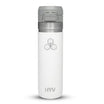
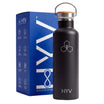
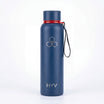
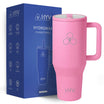
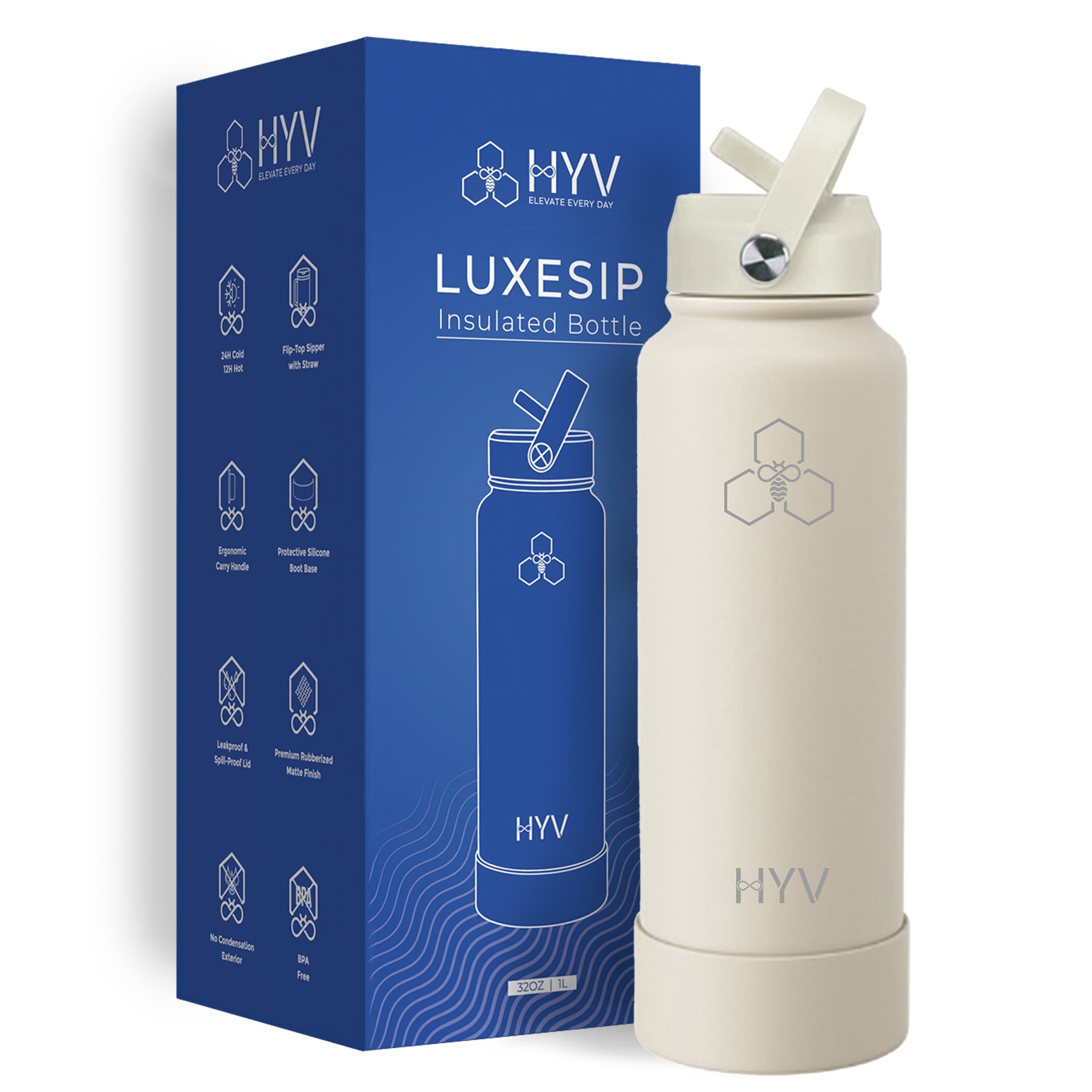
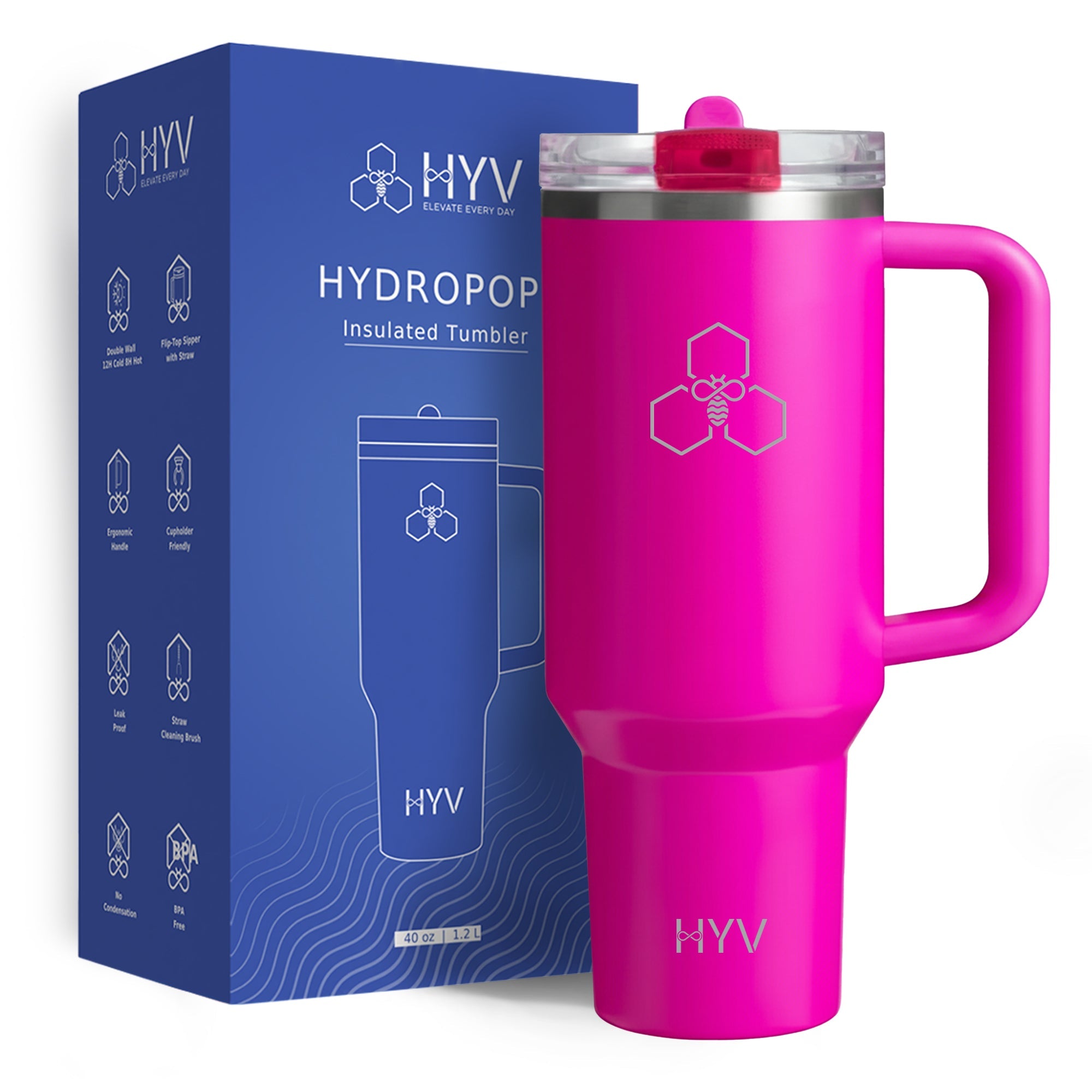
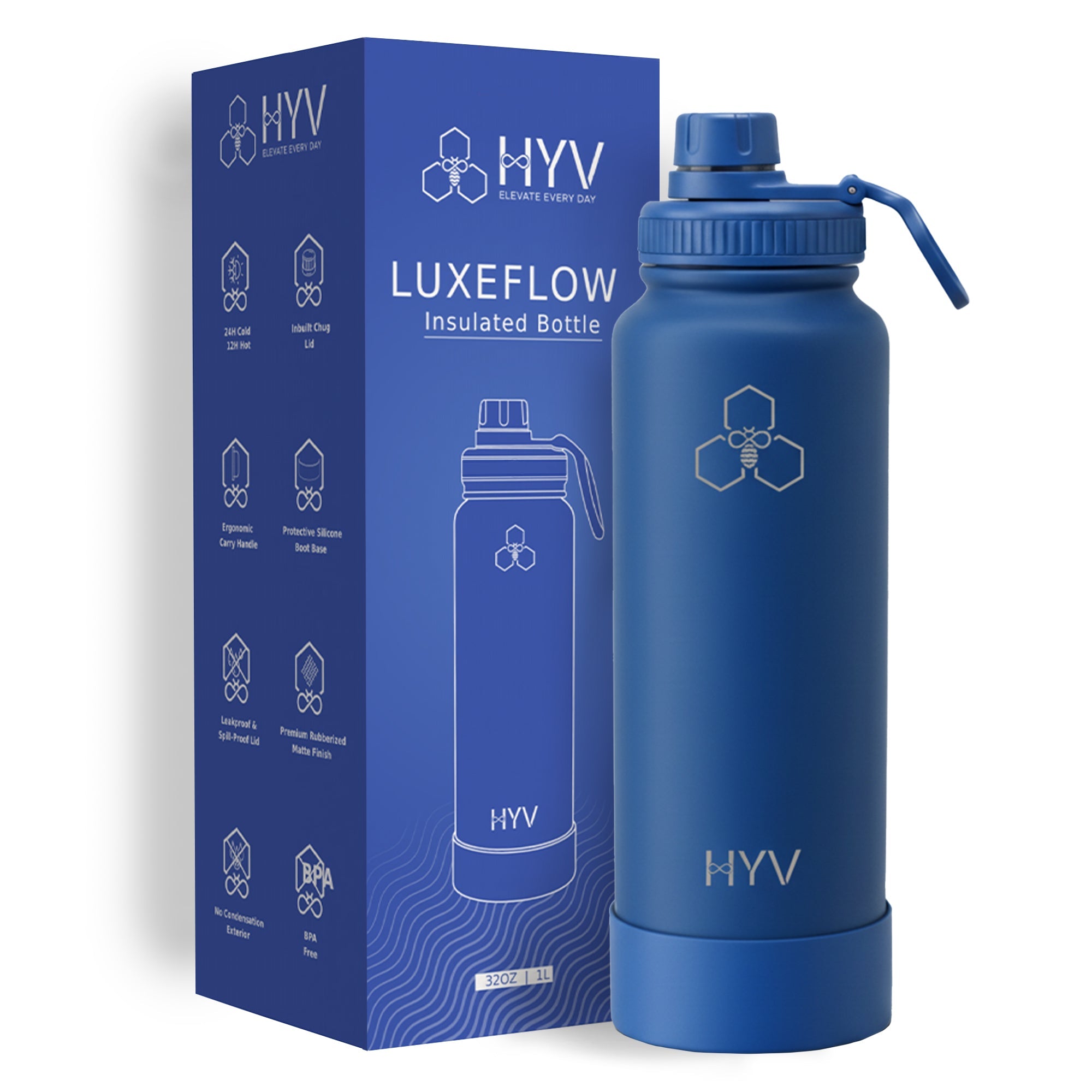
HYV picks, with the actual product
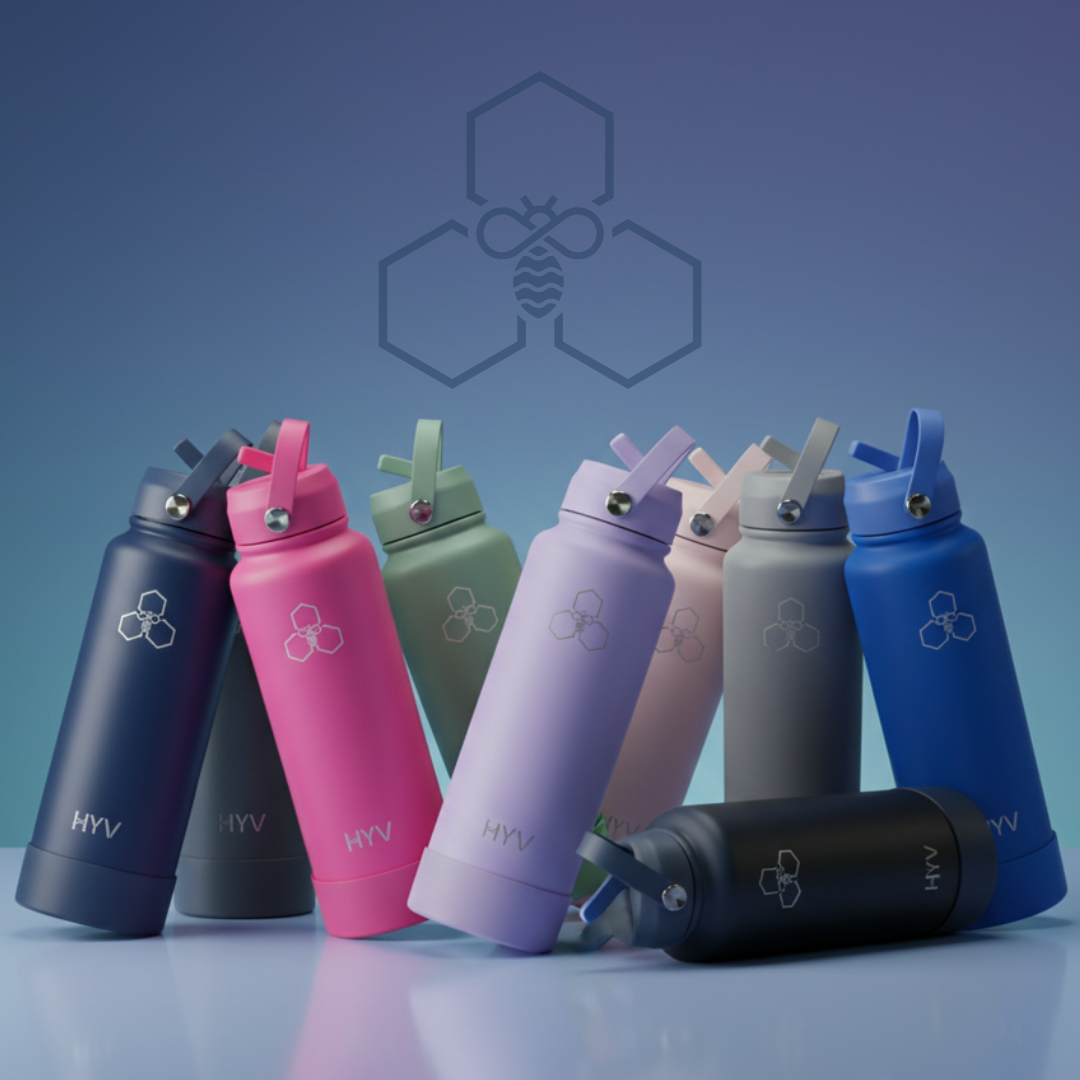
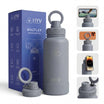
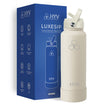
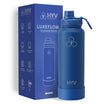
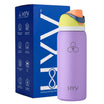
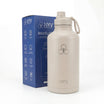
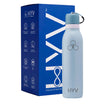
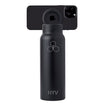
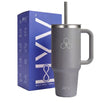
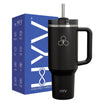
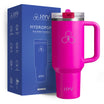
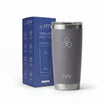
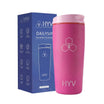
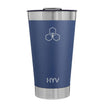
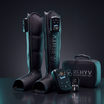
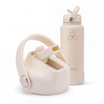
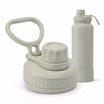
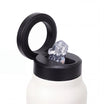
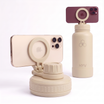
Three models worth looking at for this, photographed as they ship. Prices are the direct price on livehyv.com.


Shop HYV insulated water bottles →
Free shipping on orders over ₹499 · 7-day free replacement for product issues. HYV makes BIS-certified bottles.
The definition
A bottle labelled "BPA-free" was manufactured without Bisphenol A.
What it doesn't mean
Not: chemical-free. Not: microplastic-free. Not: guaranteed safe forever. The label addresses one specific chemical.
The safer path
Food-grade stainless steel — no BPA, no substitutes, no microplastics.
Frequently Asked Questions
What does BPA-free mean on a water bottle?
The plastic wasn't made with Bisphenol A. It may still contain similar substitutes.
Are stainless steel bottles BPA-free?
Yes — steel doesn't use BPA in any form.
Related guides
Matching material to how you will actually use it
| Use | Right material | Why |
|---|---|---|
| Daily commute, gym, travel | Insulated 304 steel | Unbreakable, insulated, 5-10 year life |
| Home or office desk | Borosilicate glass | Inert taste, visible contents, dishwasher-safe |
| Infused or lemon water | Glass | No reaction with citric acid |
| Morning Ayurvedic water | Pure copper | Antimicrobial effect; plain water only, 6-8 hours |
| School child | Insulated steel | Unbreakable; glass is a hazard in a school bag |
| Trail running, ultralight | Tritan plastic | Lightest and effectively unbreakable |
Most households end up with two: insulated steel for anything that moves, and glass for the desk.
What each material is genuinely good and bad at
| Material | Insulates | Lifespan | Watch for |
|---|---|---|---|
| Insulated 304 steel | ~24h cold / ~12h hot | 5-10 yrs | Vacuum failure after a base drop |
| Single-wall steel | No | 5-10 yrs | Sweats in humidity |
| Copper | No | 5+ yrs | Reacts with acid and heat; daily cleaning |
| Borosilicate glass | No | Indefinite if unbroken | Breaks; heavy |
| BPA-free plastic | No | 2-3 yrs | Degrades; never leave in a hot car |
| Ceramic | No | Indefinite if unbroken | Heavy; breakable |
The grade question, specifically
For steel, 304 (also written 18/8, SUS 304 or AISI 304) is the food-grade standard — 18-20% chromium and 8-10.5% nickel, chemically inert at drinking temperatures.
The substitute to watch for is grade 201: 3.5-5.5% nickel against 8-10.5%, noticeably weaker in constant water contact, and it pits over time producing a metallic taste and corrosion sites that cannot be cleaned. Listings selling 201 typically just say "stainless steel" and stop there. That silence is the signal — a manufacturer using 304 has every reason to say so.
316 stainless appears occasionally at a premium. It adds molybdenum for salt-water corrosion resistance, which a water bottle never encounters. It is not worth paying extra for.
Shop the shortlist
- See the reusable bottles — HYV bottles and tumblers in one shortlist — 470 ml to 2 L, double-wall vacuum steel.


Leave a comment
This site is protected by hCaptcha and the hCaptcha Privacy Policy and Terms of Service apply.