




The barrier with dementia is usually not physical ability but recognition and initiation — the bottle is not seen as a bottle, or it is seen and the impulse to drink does not follow. What helps is visual contrast, a familiar shape, and a lid that needs no explanation. What does not help is anything novel: a mechanism that has to be learned once is a mechanism that has to be learned every time.
Key Facts
- Recognition, not grip strength, is usually the limiting factor.
- High contrast against the table makes a bottle visible as an object.
- Familiar shapes beat novel ones; a known cup may work better than a bottle.
- Lids needing a learned action are the wrong choice, however clever.
- Weight when full determines whether it can be lifted independently.
Why a normal bottle stops working
Dehydration is common in dementia and it is rarely because the person cannot physically drink. The mechanisms are different.
- Recognition. A clear or pale bottle on a pale table may not register as an object at all, let alone as a drink.
- Initiation. The bottle is seen, and the sequence — pick it up, open it, drink — does not start.
- Unfamiliarity. A modern bottle with a push-button lid is not something the person has a lifetime of memory for. A steel tumbler or a familiar cup may be recognised instantly where a bottle is not.
- Reduced thirst signalling, which is a genuine physiological change and means waiting for someone to ask is not a plan.
Contrast is the single most useful lever
This comes up repeatedly in dementia care guidance and it is easy to act on. A bottle needs to stand out from what is behind and beneath it.
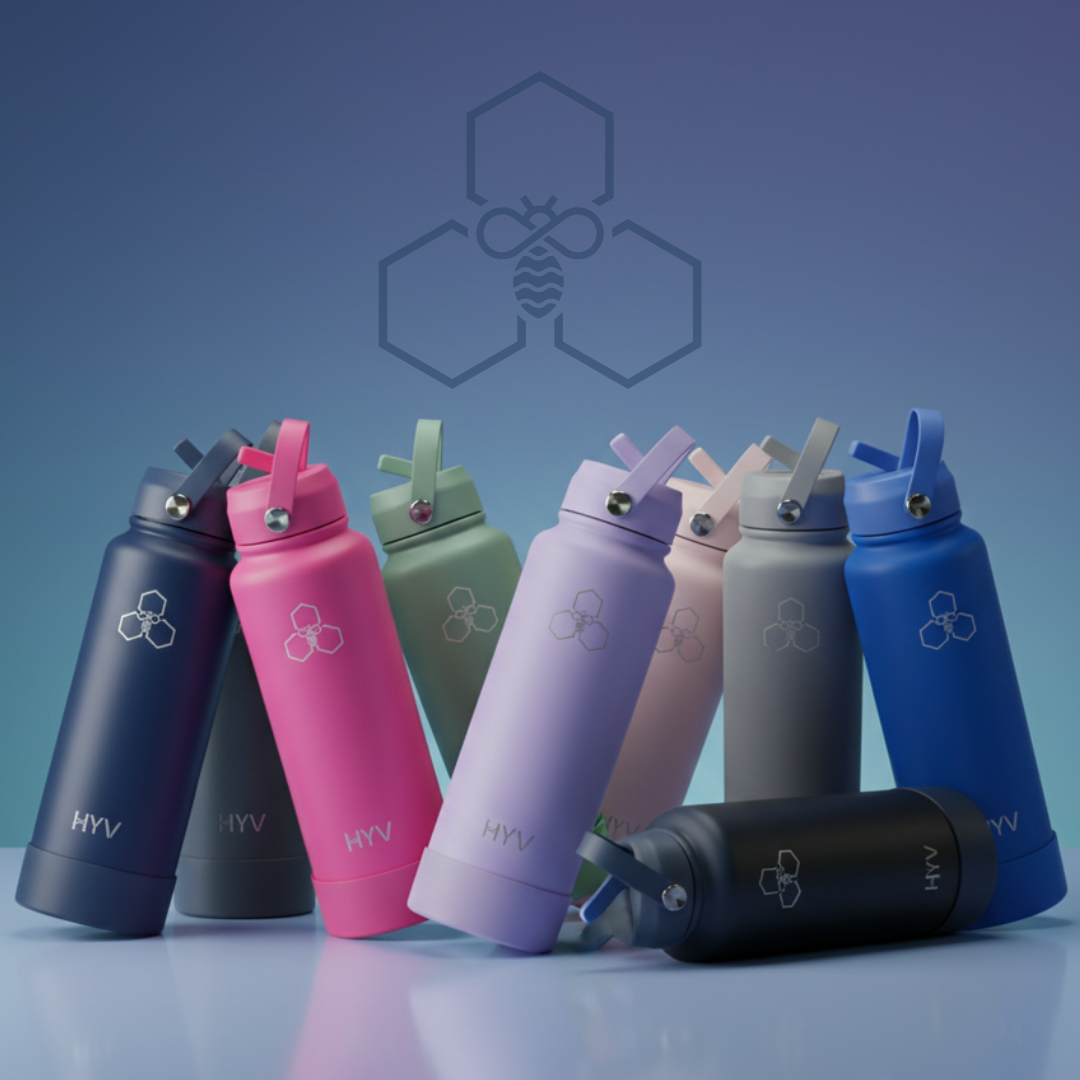
- A strongly coloured bottle on a plain light table, or a dark table with a light bottle.
- Avoid pale, clear and metallic-on-metal combinations — a steel bottle on a steel tray is close to invisible.
- Keep it in the same place every time. Position becomes a prompt in a way that reading a label does not.
- Keep it in the line of sight from where the person usually sits, not on a side table behind them.
Lids: simpler is better than cleverer
The instinct is to buy something assistive. Often the assistive feature is the problem, because it introduces a step that has to be remembered.
- Best: an open tumbler or a lid that is simply lifted off, if spillage is manageable. Nothing to learn.
- Good: a straw in an open-topped tumbler with a lid, which is intuitive and works half-reclined.
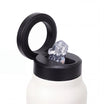
- Avoid: push-button, twist-to-lock and slide mechanisms. They are learned actions.
- Avoid screw caps if independence is the goal — they need two hands and grip strength.
Weigh the spill risk honestly. A lidless cup that gets used beats a sealed bottle that does not.
The routine around the bottle
No bottle solves this on its own, and it is worth saying plainly.
- Offer at fixed times rather than waiting for a request — thirst signalling is reduced.
- Hand it over rather than pointing at it. The physical prompt starts the sequence.
- Keep it full and visible. An empty bottle is a missed opportunity that looks like a solved problem.
- Fluid from food counts — fruit, curd, soups, chaas. Some days that is where most of it comes from.
- An insulated bottle helps because it keeps water at a temperature the person accepts. Warm water is refused far more often than cold.
This is general guidance rather than clinical advice. If dehydration is a live concern, the person’s doctor or care team should be the source.
The product on this page

What tends to work
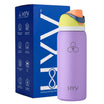
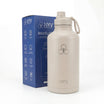
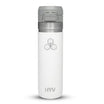
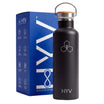
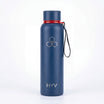
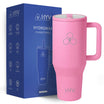
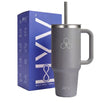
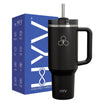
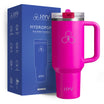
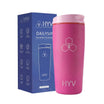
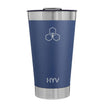
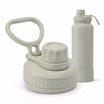
A coloured insulated tumbler with a straw, kept full, in the same visible place. The HYV HydroPro is ₹1,499 for 1.2 litres with an inbuilt straw lid that comes out for cleaning — a tumbler shape rather than a bottle shape, which is the more familiar object.
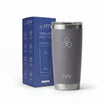
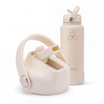
If lifting is difficult, go smaller: the OpenFlow at ₹799 is 470 ml and light enough to manage when full. Insulation matters in both cases, because water that has gone warm is water that gets refused.
Disclosure: we are one of the brands
HYV publishes this page and sells the bottles in it, so discount the flattering parts. The checkable facts: free shipping over ₹499, a 7-day free replacement rather than a refund-return, 304 food-grade steel throughout, and BIS IS 17526:2021 on five named models — LuxeSip, LuxeFlow, MagFlex, CoreFlow and ChillSip.
Frequently Asked Questions
What is the best water bottle for someone with dementia?
A strongly coloured insulated tumbler with a straw, kept full and in the same visible place. Contrast against the table and a familiar shape matter more than any assistive feature.
Why does colour matter for a dementia patient?
A pale or metallic bottle on a pale table can fail to register as an object at all. High contrast against what is behind and beneath it makes the bottle visible as a thing to pick up.
Are push-button or twist lids helpful?
Usually not. They introduce a learned action, which is exactly what is difficult. A lid that lifts off, or a straw in a lidded tumbler, needs no explanation each time.
How do I get someone with dementia to drink more?
Offer at fixed times rather than waiting to be asked, since thirst signalling is reduced. Hand the cup over rather than pointing at it, keep it full and visible, and count fluid from food. If dehydration is a live concern, speak to their care team.
Related reading: Best Water Bottle for Elderly Adults India 2026: Hydration After 60, Water Bottle for Bedridden Patients: India Guide 2026 and How to Track Daily Water Intake and Build a Hydration Habit India.

Leave a comment
This site is protected by hCaptcha and the hCaptcha Privacy Policy and Terms of Service apply.