




A useful gift is one the recipient would plausibly have bought themselves but has not got round to. That single test separates gifts that get used from gifts that get stored, and it works across every relationship and budget. The categories that consistently pass: daily-use upgrades to worn-out items, quality basics people under-buy, genuinely good consumables, and things that save time or effort. The categories that fail are ornamental, novelty, and anything requiring the recipient to change a habit.
Key Facts
- The test: would they have bought it themselves eventually?
- People systematically under-replace daily items — that is the reliable gap.
- Time-saving beats object-giving for people who own enough.
- Ornamental and novelty items are the most stored, least used categories.
HYV picks, with the actual product
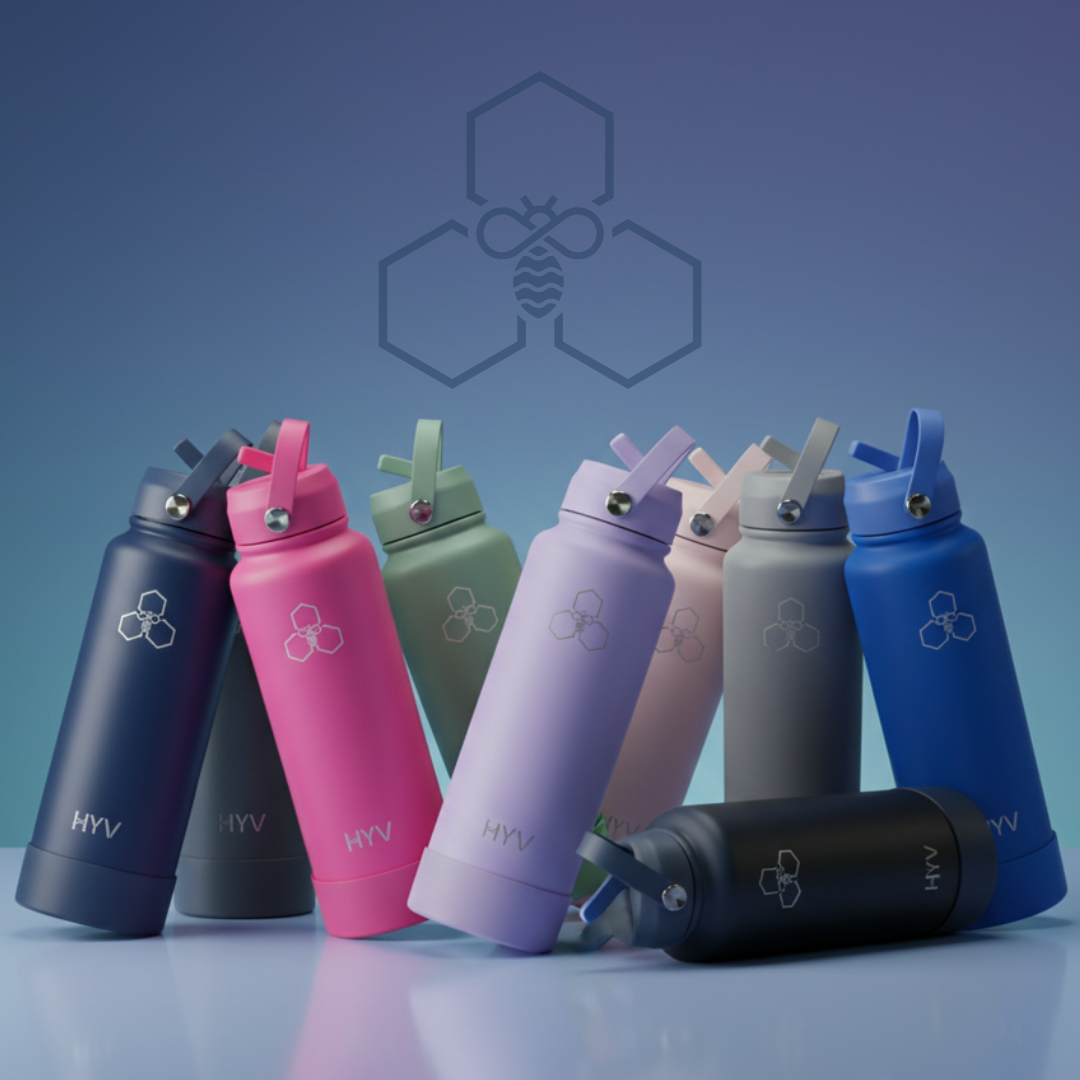
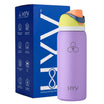
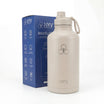
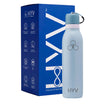
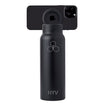
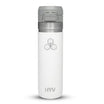
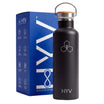
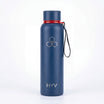
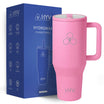
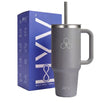
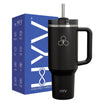
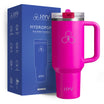
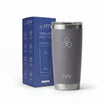
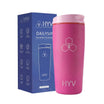
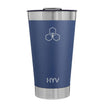
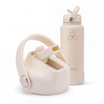
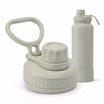
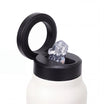
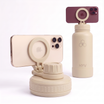
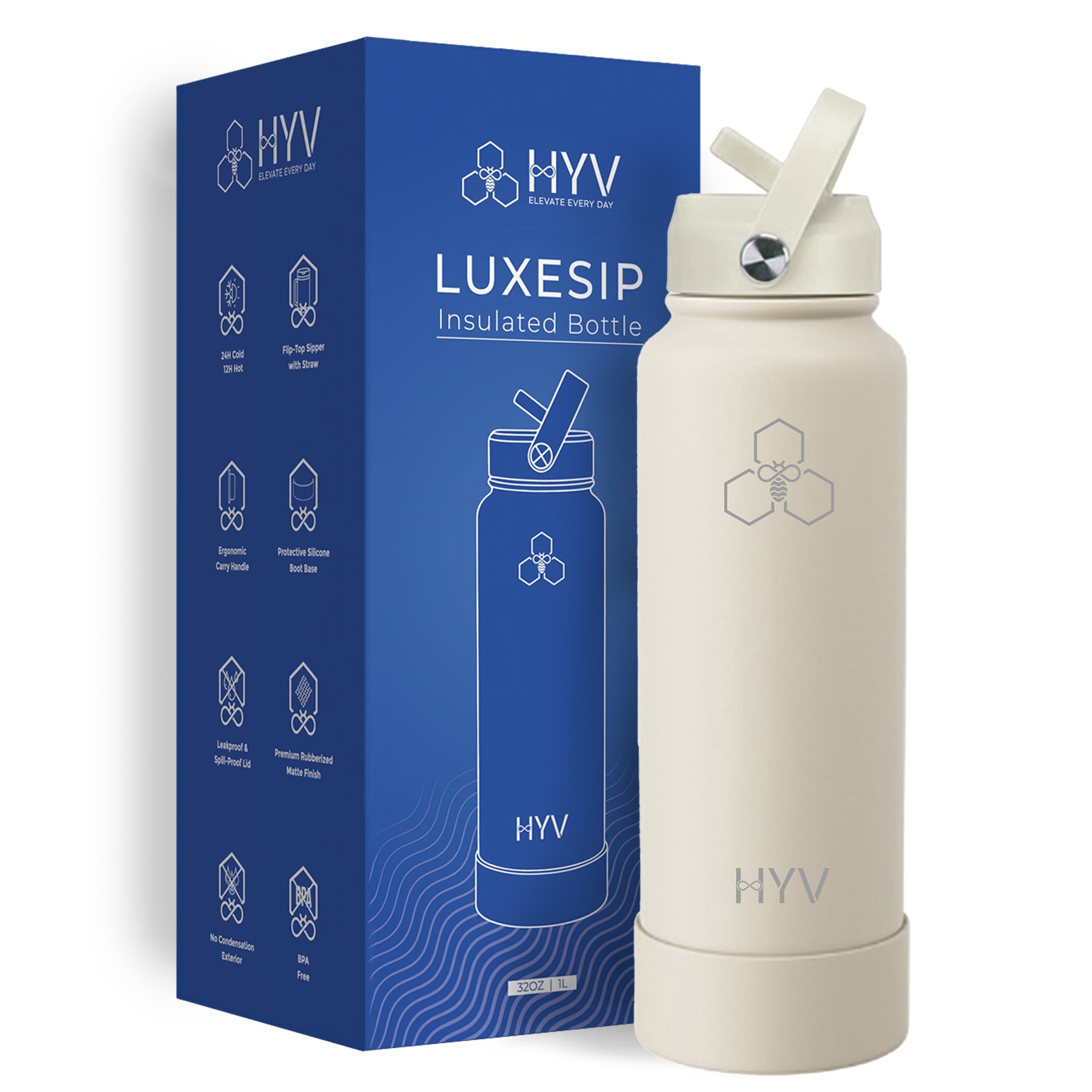
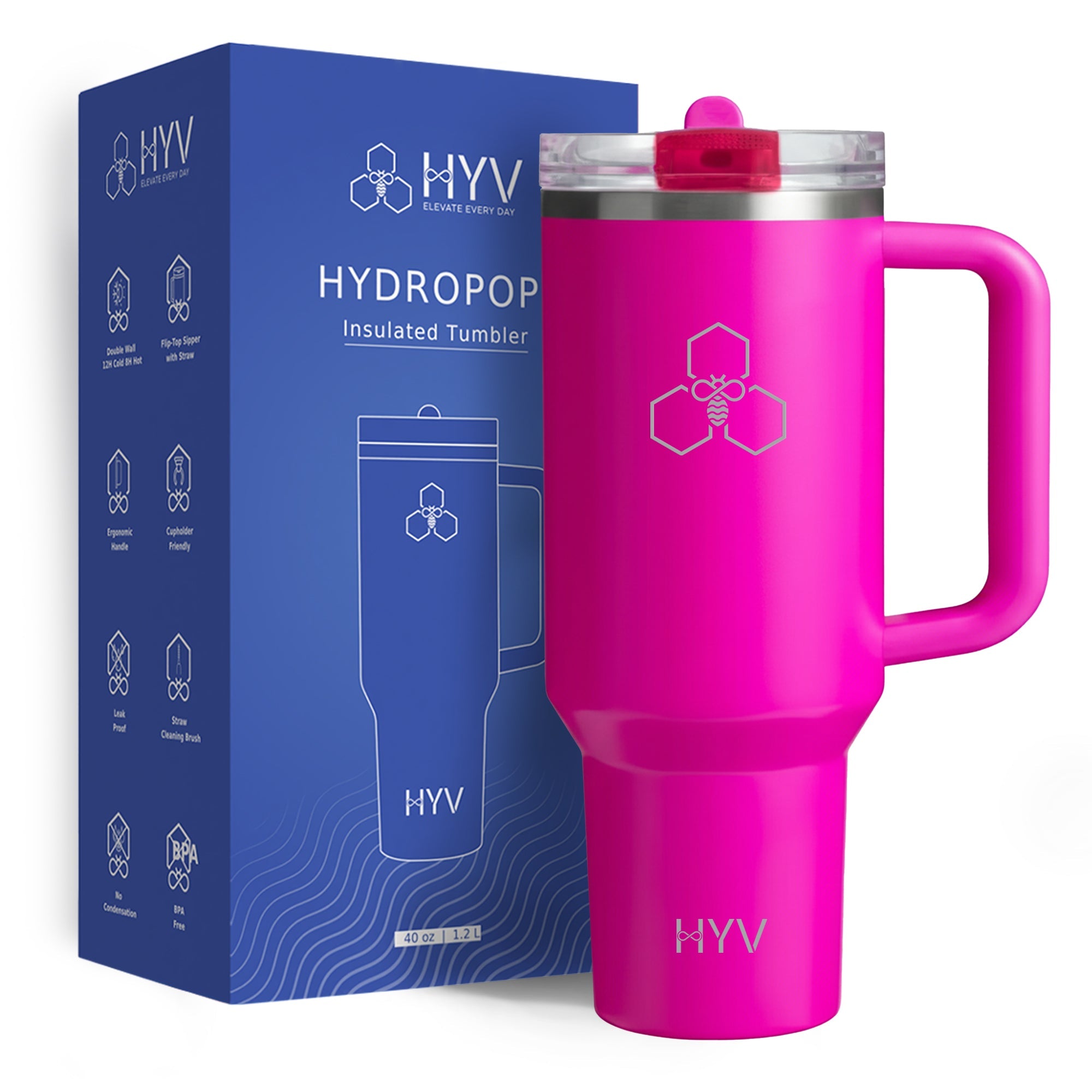
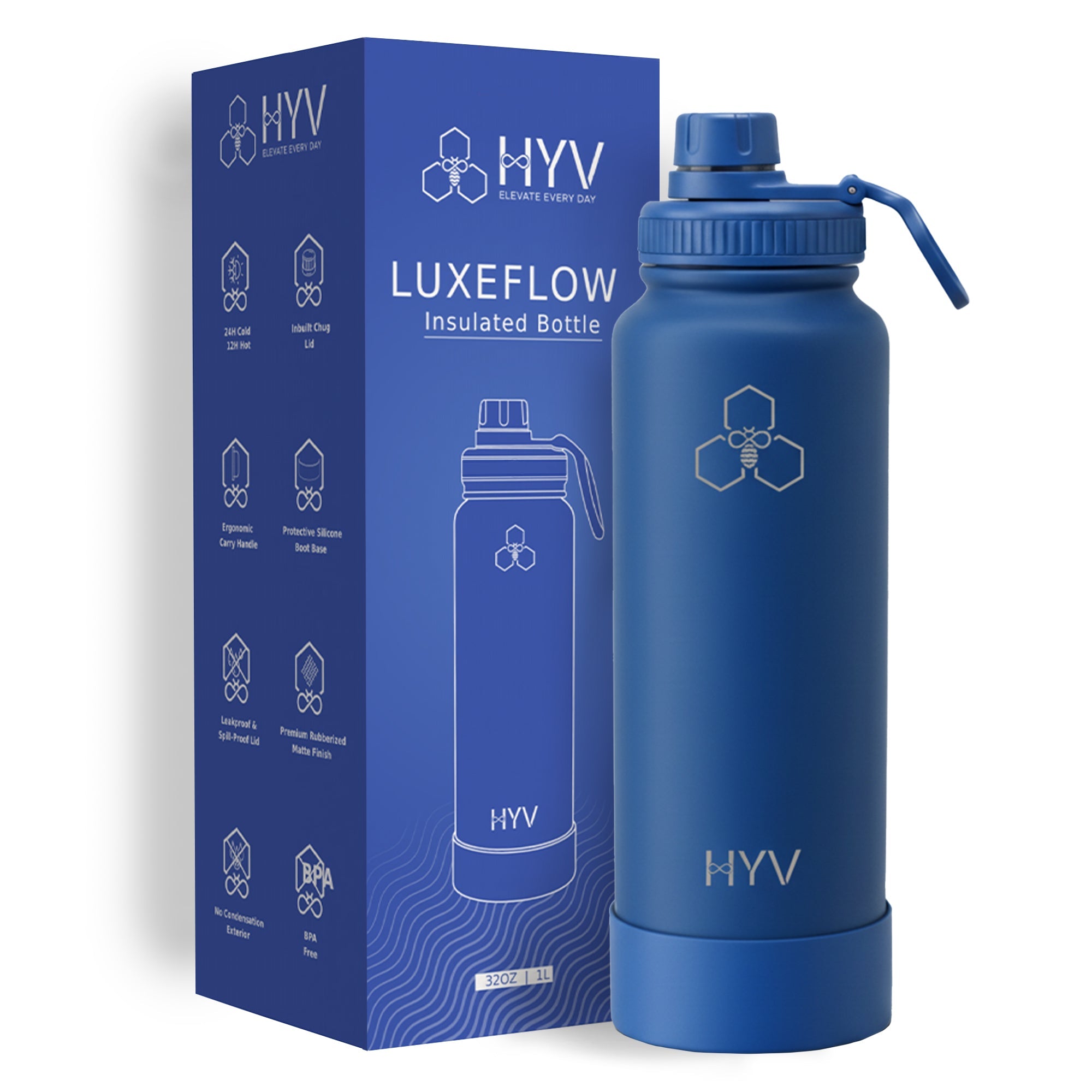
Three models worth looking at for this, photographed as they ship. Prices are the direct price on livehyv.com.


Free shipping on orders over ₹499 · 7-day free replacement for product issues. HYV makes BIS-certified bottles.
Start here
Gift lists are unhelpful because they start with products. Start with these three questions instead and the field collapses fast.
- What have they mentioned wanting and then not bought? The highest-hit-rate source of gift ideas, and the one almost everyone forgets. People talk themselves out of purchases constantly.
- What do they use daily that is visibly worn out? Everyone has one, and nobody replaces it on time.
- Do they have space for it? In Indian homes especially, another decorative object is a burden, not a present.
If all three come up blank, buy consumables from a name they recognise, or an experience. Both beat a guessed object.
Budget norms in India
| Budget | Genuinely useful options |
|---|---|
| Under ₹500 | Good consumables, quality basics, hobby refills |
| ₹500-1,500 | Insulated drinkware, a decent wallet, good socks, wired audio |
| ₹1,500-4,000 | Wireless earbuds, a proper bag, quality kitchen items |
| ₹4,000+ | Good footwear, appliances they would not buy, a service that saves time |
Category by category
Daily-use upgrades
The highest-return category by a distance. Everyone has something they use every day in a worn-out or cheap version — a bottle, a wallet, headphones, footwear, a bag. Nobody replaces these on time.
Quality basics people under-buy
Good socks, a decent umbrella, proper kitchen knives, a real towel. Unglamorous, used constantly, and almost never bought at the good version.
Things that save time or effort
A service rather than an object — a cleaning, a delivery subscription, something handled on their behalf. For people who already own what they need, this is the strongest category available.
Consumables from a name they know
Good coffee, tea, spices, regional food. Used up rather than stored, and no obligation attached.
Hobby consumables
Whatever they use up doing the thing they already do. Very hard to get wrong.
What fails the useful test
Ornamental objects, novelty gadgets, anything requiring a habit change, gift sets padded to hit a price, and anything that needs display space in a home that has none.
By budget
| Budget | Options |
|---|---|
| Under ₹500 | Good coffee, hobby refills, quality socks, a specific book |
| ₹500-1,500 | Insulated bottle, wallet, wired earphones, a decent umbrella |
| ₹1,500-4,000 | Wireless earbuds, a proper bag, good kitchen items |
| ₹4,000+ | Footwear, an appliance they would not buy, a time-saving service |
What is specific to this
The reason "useful" outperforms "impressive" is that a useful gift keeps proving itself. An impressive gift makes its case once, at the moment of opening, and then has to justify the space it occupies. A useful one is re-encountered every day.
The practical way to find one: look at what the person uses constantly and has not replaced. Almost everyone has at least one such item, and almost nobody buys it for themselves because it never becomes urgent.
What consistently fails
- Ornamental objects. Indian homes accumulate gifted showpieces faster than they can display them.
- Anything commenting on habits. Fitness trackers nobody asked for, diet books, posture correctors — kindly meant, received as criticism.
- Generic padded hampers. Everyone can price a hamper on sight.
- Clothing without knowing fit and preference.
- Gadgets solving problems they do not have.
- Gift cards for close relationships. Efficient, and read as effort-free by the people who matter most.
Where HYV fits
Full disclosure: HYV makes insulated drinkware, so treat this section with appropriate scepticism. It appears here for one reason — a worn-out bottle is the single most common example of the daily item people never replace, which is why it recurs across every gift guide on this site rather than only the ones about drinkware.
The range runs ₹899 (CoreFlow 750ml) to ₹2,499 (MaxFlow 2L), with the LuxeSip 1L at ₹1,699 and the magnetic-lid MagFlex 1L at ₹1,899. HYV makes BIS-certified bottles. BIS IS 17526:2021 is the Indian standard that actually tests retention rather than taking the claim on trust, and worth checking on any bottle from any brand. See what BIS certification verifies.
If drinkware is not right for this person, everything above is a better bet than forcing it.
Budget bands are easier to compare side by side than one at a time. The complete corporate gifting guide for India covers what every band from under ₹300 to above ₹2,500 actually buys, alongside lead times, MOQs, GST and the personalisation costs that decide the real per-head figure.
Budget bands, honestly
- Under ₹500 — consumables chosen well. Do not try to buy a durable item here; it will read as one.
- ₹500–₹1,500 — the everyday-upgrade band, and the most reliable place to land. Good drinkware, a real notebook, something that solves a small daily annoyance.
- ₹1,500–₹4,000 — one considered item rather than several small ones. Several small things read as a hamper; one good thing reads as a decision.
- Above ₹4,000 — only where you know the category well, or where involving them in the choice is not going to spoil it.
A simple way to decide
Work through it in this order and the choice usually makes itself.
- Is there something they actually said? A complaint, a wish, a thing that broke. If yes, that is the gift — stop here.
- Is there a category they already invest in? Buy a better version of something they already care about rather than introducing a new interest.
- Neither? Buy a high-quality version of something everyone uses daily. Reliable, and it does not require you to predict taste.
Escalating the budget is not step four. Spend correlates weakly with how a gift is received; attention correlates strongly.
More questions
What gifts get used rather than shelved?
Everyday items at a quality level above what someone would buy themselves — the categories people use daily but never upgrade. The test is simple: will they touch it within a week?
What should you avoid giving?
Generic hampers, grooming and fragrance sets, clothing without a verified size, and anything implying self-improvement. All have high re-gift rates, and the last can land badly even when kindly meant.
Is it rude to give a practical gift?
The opposite, when it is a good version of something they use. Practical gifts fail when they are really household purchases in disguise; they succeed when they upgrade something the person touches daily.
Prices and the whole range are on the gifts collection.
Frequently Asked Questions
Useful Gifts?
A useful gift is one the recipient would plausibly have bought themselves but has not got round to. That single test separates gifts that get used from gifts that get stored, and it works across every relationship and budget.
How much should I spend?
Budget Genuinely useful options Under ₹500 Good consumables, quality basics, hobby refills ₹500-1,500 Insulated drinkware, a decent wallet, good socks, wired audio ₹1,500-4,000 Wireless earbuds, a proper bag, quality kitchen items ₹4,000+ Good footwe
What should I avoid?
Ornamental objects, anything commenting on their habits, generic padded hampers, clothing without knowing fit, and gadgets solving problems they do not have.


Leave a comment
This site is protected by hCaptcha and the hCaptcha Privacy Policy and Terms of Service apply.