
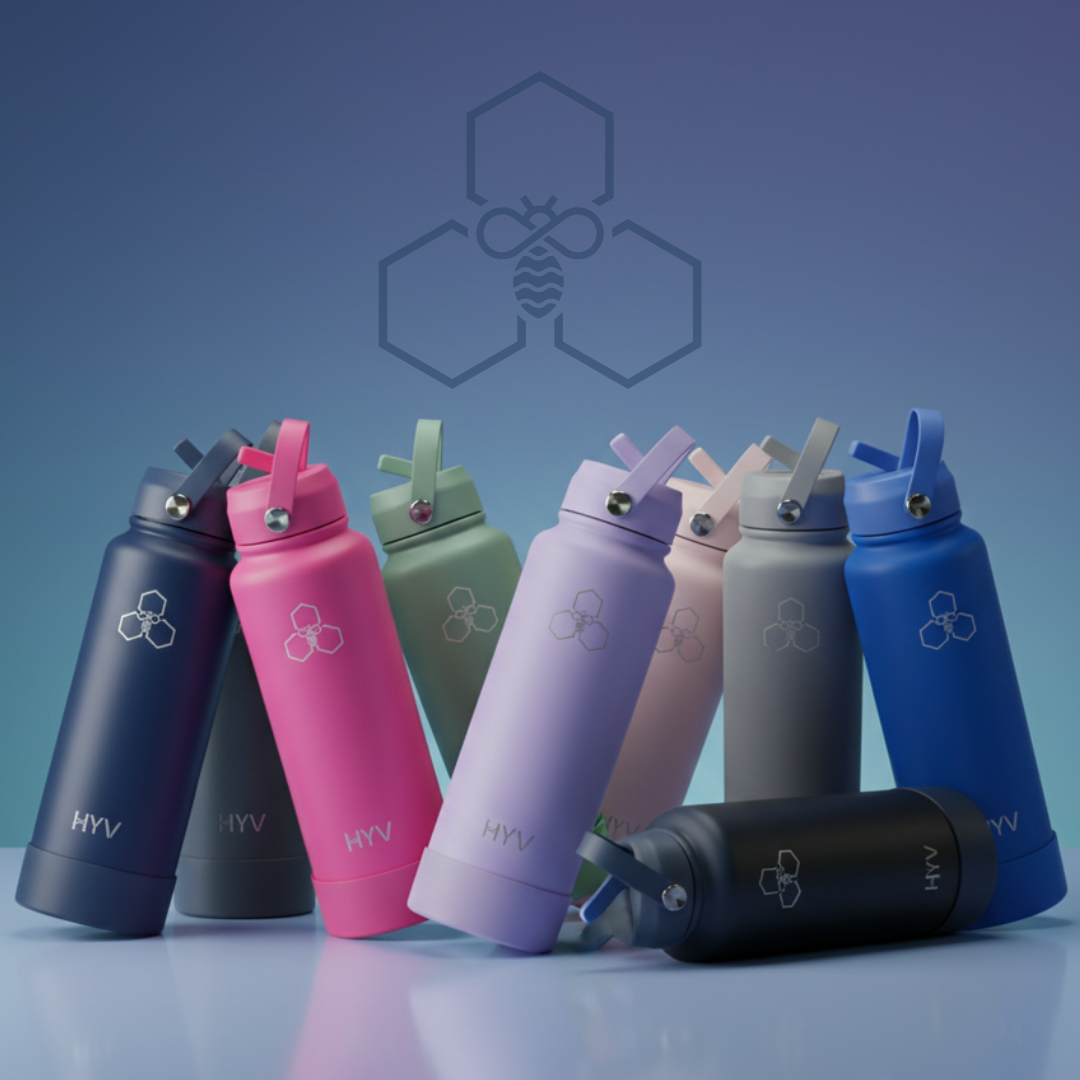

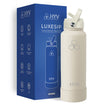
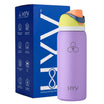
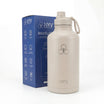
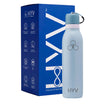

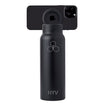
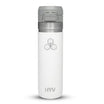
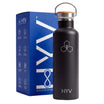
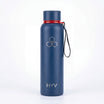
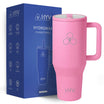
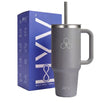
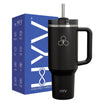
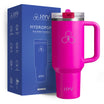
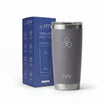
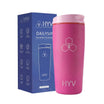
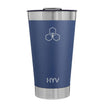
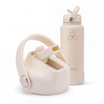
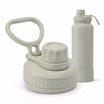

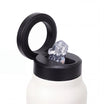
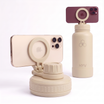
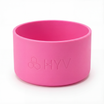

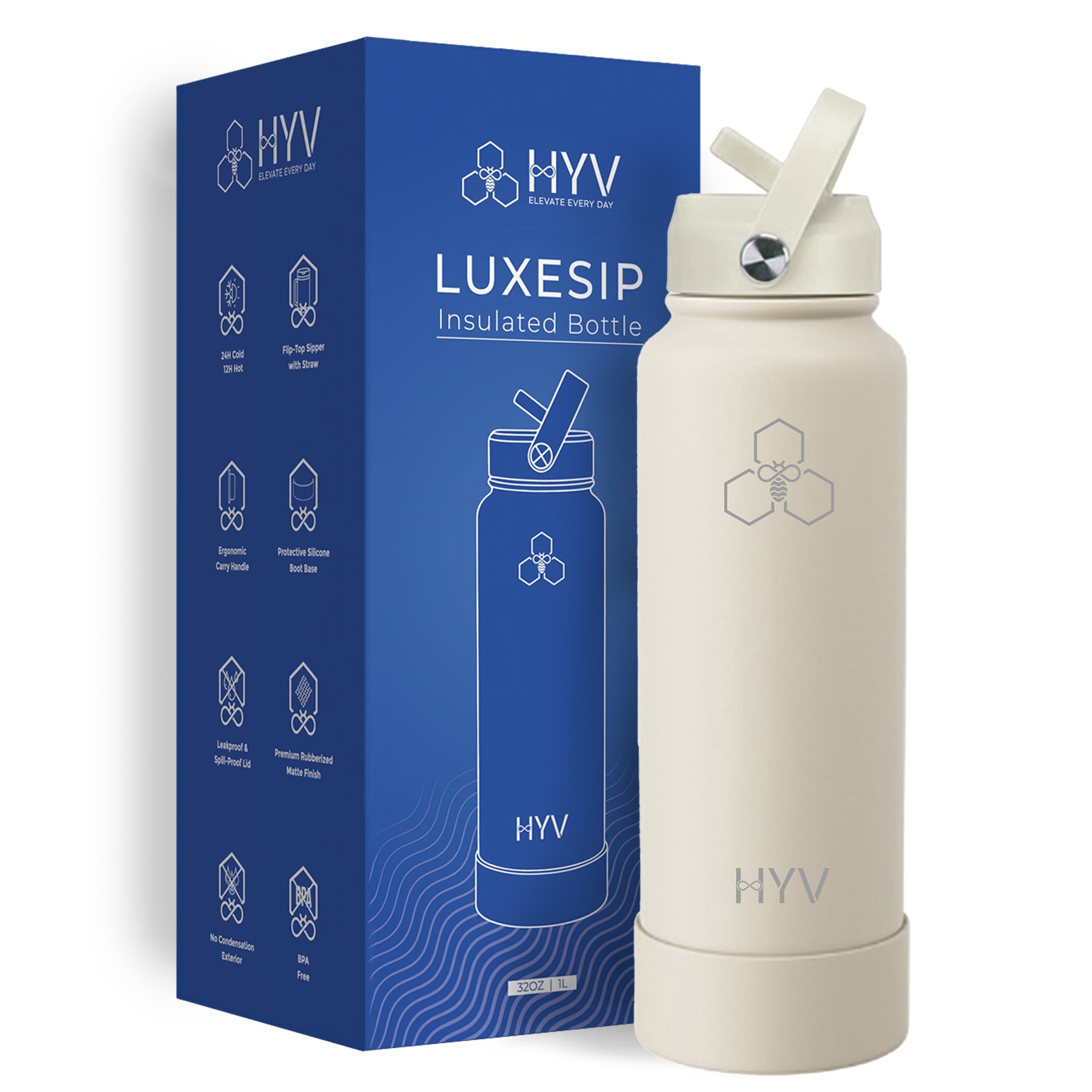
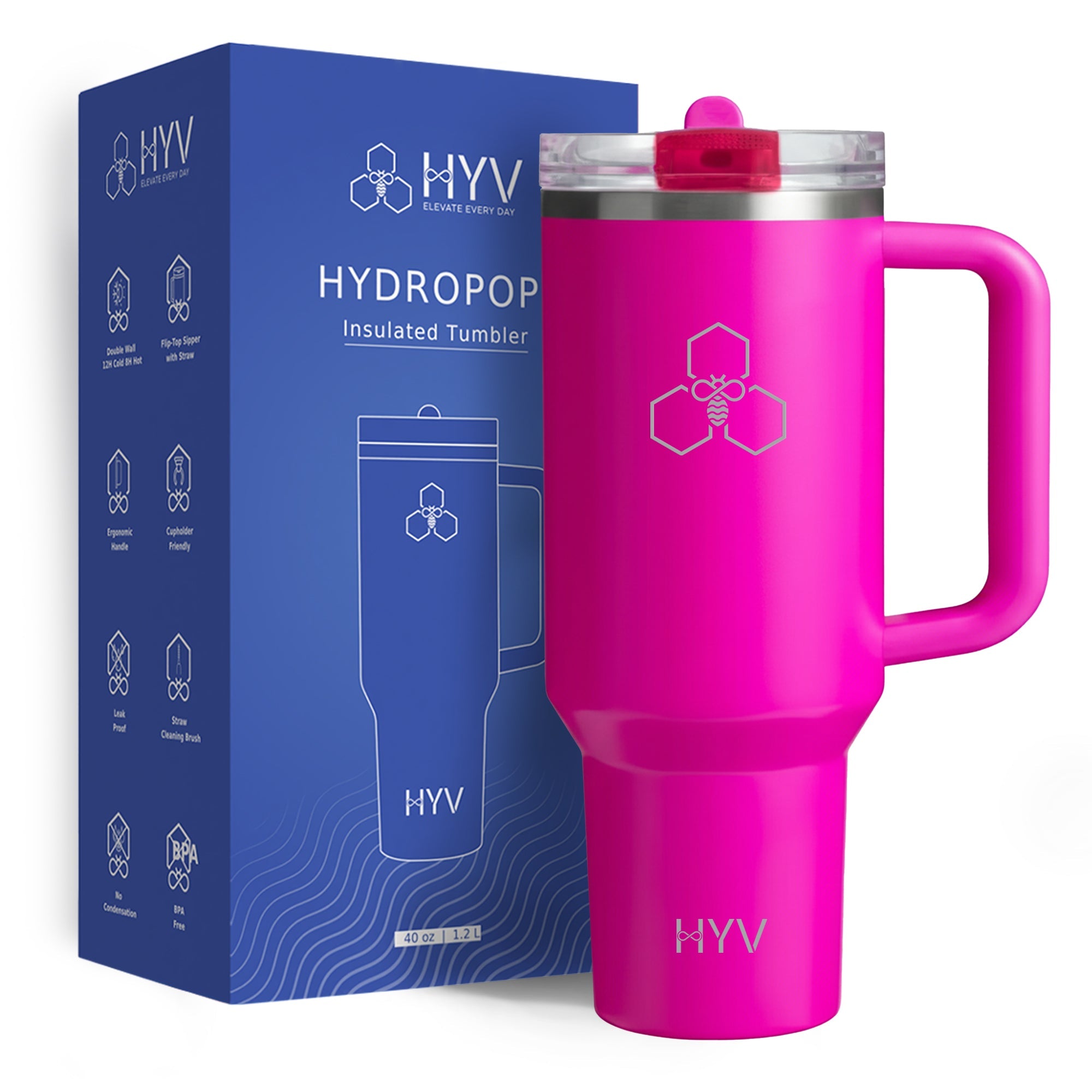
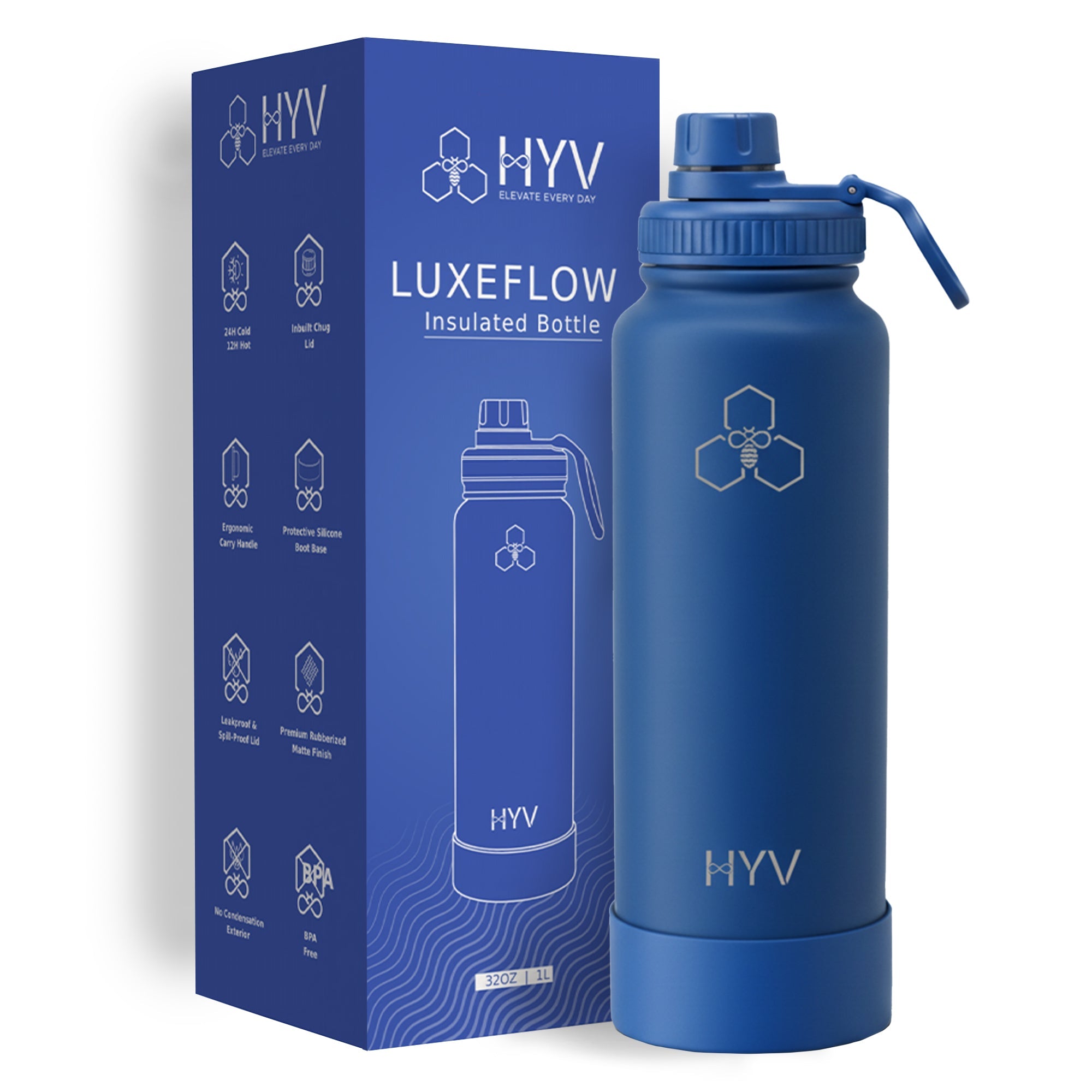
The India water bottle market in 2026 is dominated by Milton (mass-market volume leader, ₹300-1,500), Cello (budget king, ₹200-800), Borosil (mid-tier glass + steel, ₹500-1,500), HYV, and imported brands Stanley/Owala/Hydro Flask (₹2,500-6,000). For most Indian buyers, HYV LuxeSip 1L (₹1,699) delivers 24h retention at a fraction of the imported price.
Key Facts
- India market: Milton (mass), Cello (budget), Borosil (mid), HYV (premium), imports (Stanley, Owala).
- Price range: ₹200 budget to ₹6,000 imported premium.
- HYV is India's only full-range premium brand.
- BIS certification is the retention verification standard.
HYV picks, with the actual product
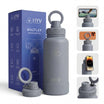
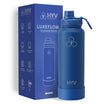
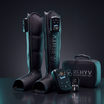
Three models worth looking at for this, photographed as they ship. Prices are the direct price on livehyv.com.


Shop HYV insulated water bottles →
Free shipping on orders over ₹499 · 7-day free replacement for product issues. HYV makes BIS-certified bottles.
India water bottle market segments
- Budget (₹200-600): Cello, unbranded plastic, entry-level Milton.
- Mainstream (₹600-1,200): Milton Thermosteel, Borosil, Cello mid-tier.
- India premium (₹1,300-2,000): HYV, Vaya.
- Imported premium (₹2,500-6,000): Stanley, Owala, Hydro Flask, YETI.
What to buy in each segment
- Budget: Milton Kool Sports 750ml plastic ₹350.
- Mainstream: Milton Thermosteel Flip Lid 1L ₹850.
- India premium: HYV LuxeSip 1L ₹1,699.
- Imported: Stanley Quencher 40oz ₹4,500-6,000.
Why BIS certification is the India-specific advantage
India's BIS IS 17526:2021 standard verifies retention hours and material safety for insulated stainless steel drinkware. HYV makes BIS-certified bottles. Milton has BIS on select SKUs. Cello and Borosil have selective BIS coverage. Imported brands are not BIS-certified (they meet other standards). See BIS explained.
How to pick
Budget? Milton. Want premium insulation at India price? HYV. Want imported cachet? Stanley. See best water bottle brands India 2026.
Related: what a Stanley actually costs in India.
Frequently Asked Questions
Which is the best water bottle brand in India?
HYV for premium (₹1,299-1,899); Milton for mainstream; Stanley for imported.
How much does a good water bottle cost in India?
₹850 for mainstream (Milton Thermosteel), ₹1,699 for premium (HYV LuxeSip), ₹4,500+ for imported (Stanley).
Common buying mistakes
- Trusting an uncertified retention claim. If it is not BIS IS 17526:2021 certified, nobody has measured it.
- Buying "double wall insulated" under ₹400. At that price it is usually single-wall steel inside a plastic shell.
- Accepting "SS" or "food-safe steel" as a specification. The grade is the whole point — look for 304.
- Buying too small. A 500ml bottle for an office day means six refills, and almost nobody completes six.
- Ignoring the lid. A screw cap costs you sip frequency every single day.
- Never replacing the gasket — then replacing the whole bottle instead.
Price tiers and what each genuinely buys in India
| Tier | What you get | What you give up |
|---|---|---|
| Under ₹400 | BPA-free plastic, sports and school bottles | All insulation; 2-3 year life |
| ₹400-800 | Entry insulated steel, basic double-wall | Certification; vacuum often fails in 12-24 months |
| ₹800-1,200 | Mainstream insulated from established brands | Full-range certification; premium lid engineering |
| ₹1,200-2,000 | Engineered lids, powder-coat finish, real warranty | Little — this is the value sweet spot |
| ₹2,500-6,000 | Imported premium; brand cachet, refined lids | Roughly 3x the price for equivalent retention |
Retention is physics and converges across properly built bottles. What the imported tier buys is brand, colour drops and lid refinement — not more hours of cold.
What actually goes wrong over time
Bottles rarely fail all at once. Three things degrade, in rough order of how often they end a bottle's life:
- The gasket. Silicone hardens, stops sealing and holds odour within 6-12 months of daily use. This is the cheapest fix and the most neglected — most bottles that "smell no matter what" have a two-year-old seal.
- The vacuum. Usually from a vertical drop onto the base cracking the seal weld. Silent, invisible, and it halves the bottle's usefulness.
- The finish. Wet paint chips within a year; powder coat survives 3-5. Cosmetic, but it is what makes a bottle feel old.
None of the three is the steel body, which is why buying a bottle on body material alone misses what actually determines lifespan.


Leave a comment
This site is protected by hCaptcha and the hCaptcha Privacy Policy and Terms of Service apply.