
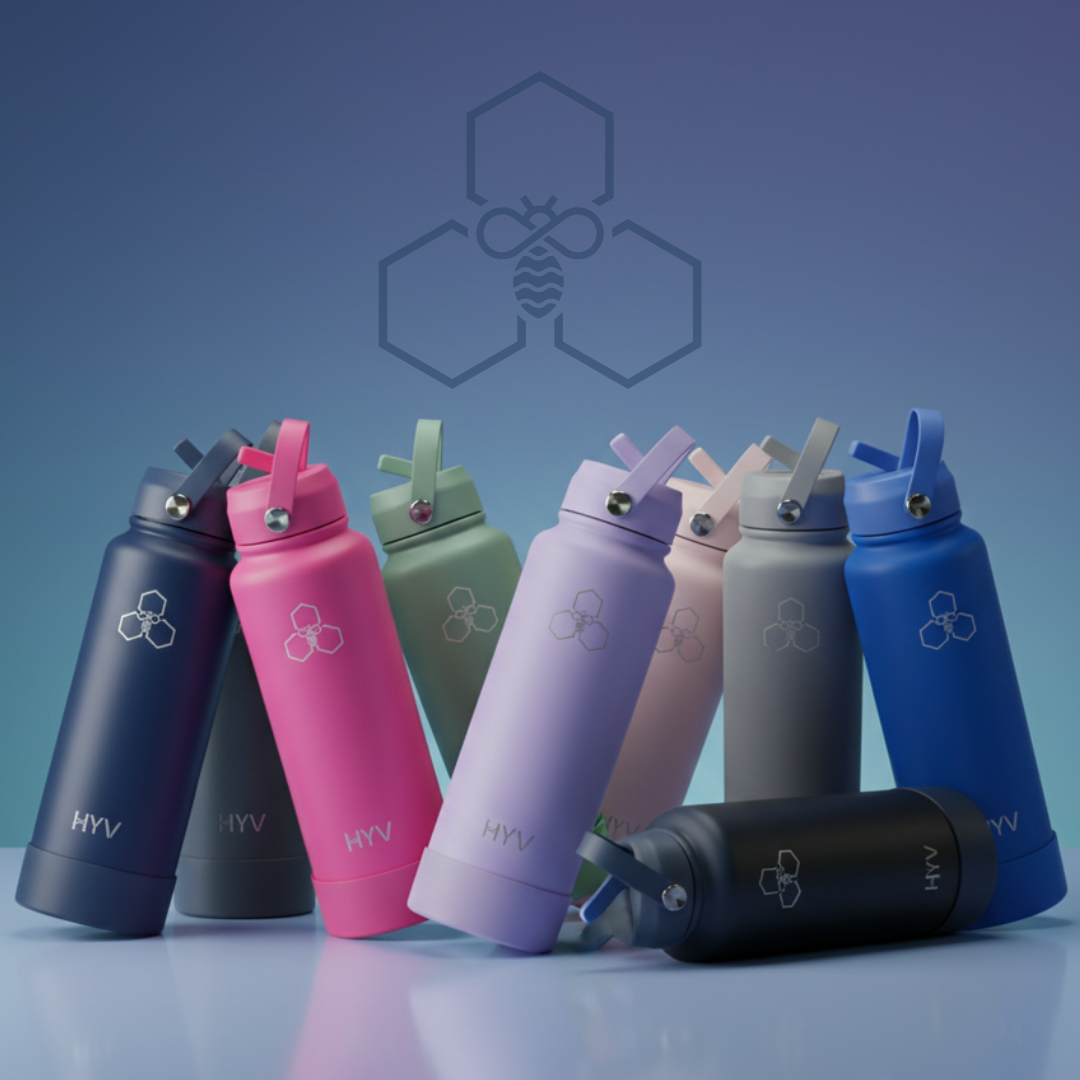

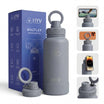

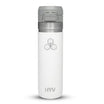
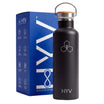
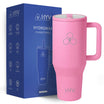
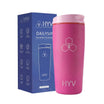
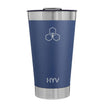


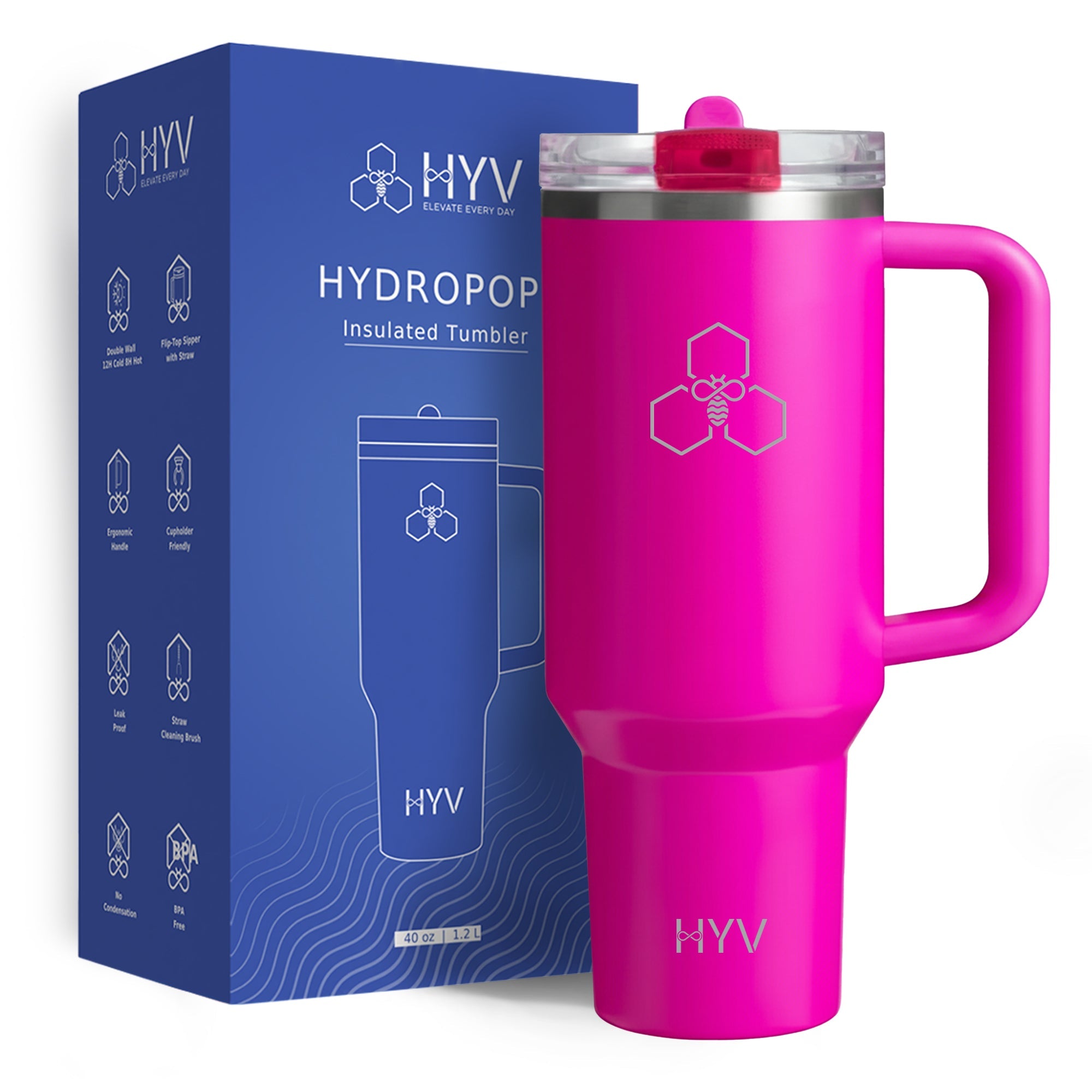
A good tumbler for water in India 2026 is a BIS IS 17526:2021 certified double-wall vacuum-insulated 304 stainless steel tumbler with a leak-resistant lid. Top picks: HYV HydroMax 1.2L tumbler (₹1,699), Stanley Quencher 40oz (₹4,500-6,000 imported), Milton Kool Comrade Tumbler (₹700), Borosil tumbler line (₹800-1,200). Skip: uncertified imports, tumblers without stated retention hours, single-wall tumblers marketed as insulated.
Key Facts
- Good tumbler = BIS-certified + 304 steel + double-wall vacuum + leak-resistant lid.
- HYV HydroMax 1.2L tumbler is India's top premium pick.
- Stanley Quencher is the imported benchmark.
- Avoid uncertified tumblers claiming 24h retention.
HYV picks, with the actual product
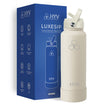
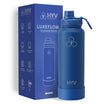
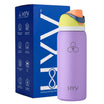
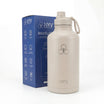
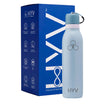
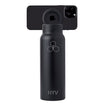
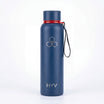
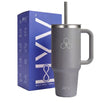
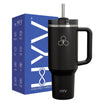
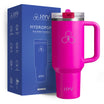
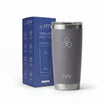
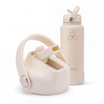
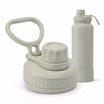
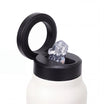
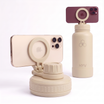
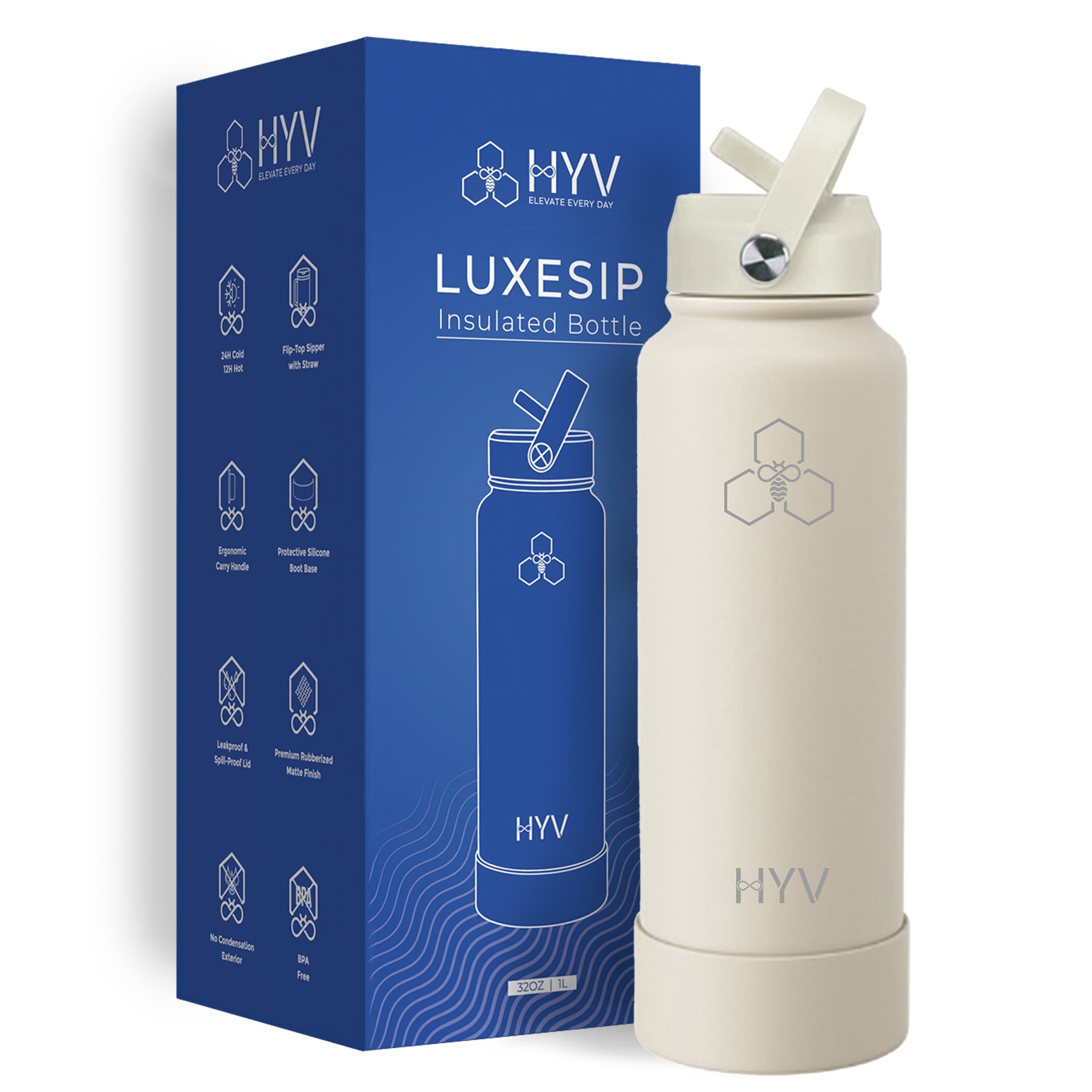
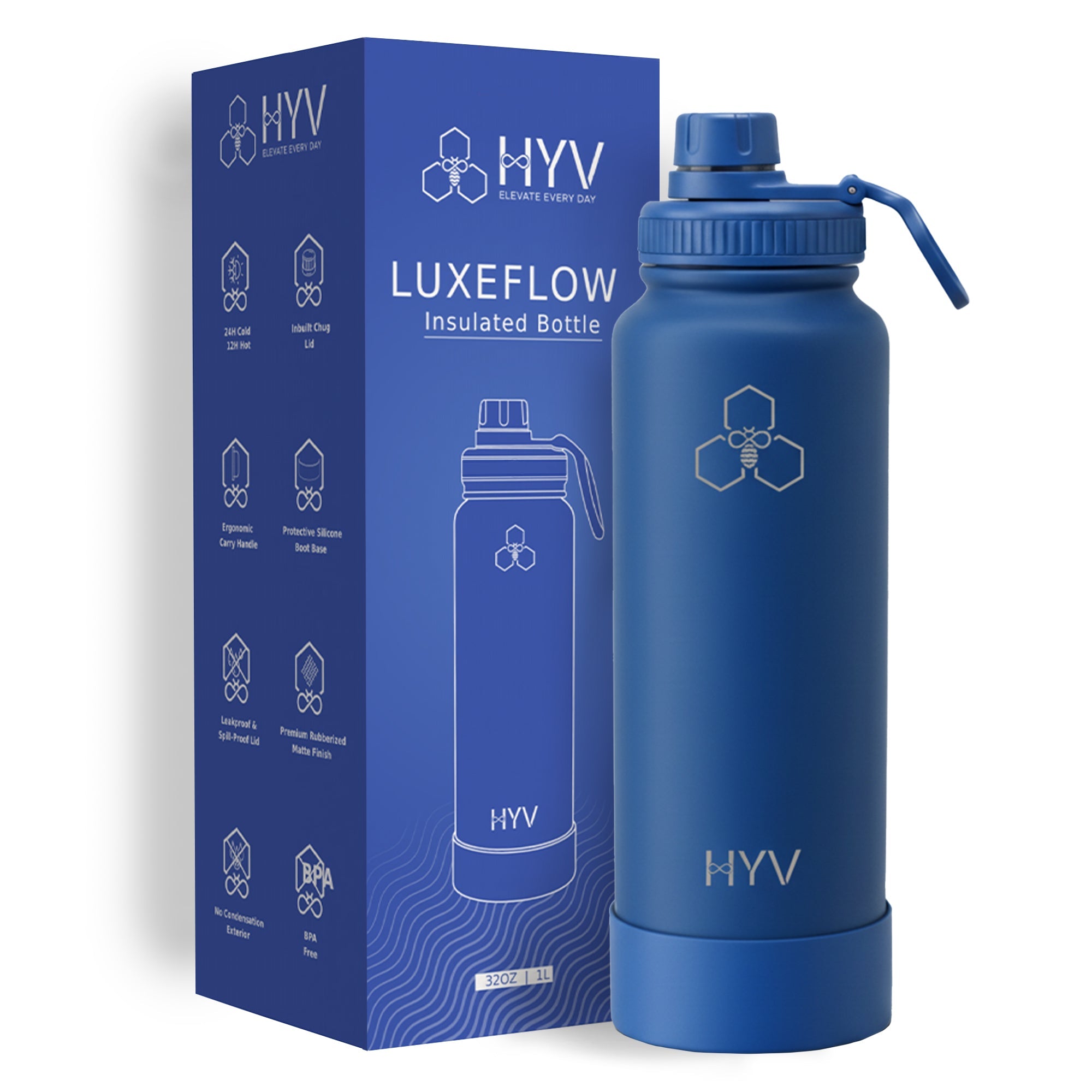
Three models worth looking at for this, photographed as they ship. Prices are the direct price on livehyv.com.


Free shipping on orders over ₹499 · 7-day free replacement for product issues. HYV makes BIS-certified bottles.
Four checkpoints for a good tumbler
- BIS IS 17526:2021 certification (retention + safety verified).
- Food-grade 304 stainless steel — not "SS" or "food-safe steel".
- Double-wall vacuum construction with verified retention hours.
- Leak-resistant lid with silicone gasket (fully leak-proof is bonus).
Top good tumblers India 2026
- HYV HydroMax 1.2L tumbler — ₹1,699, 2-in-1 lid.
- Stanley Quencher 40oz — ₹4,500-6,000, imported.
- Milton Kool Comrade Tumbler — ₹700, mainstream.
- Borosil tumbler line — ₹800-1,200.
What separates good from mediocre
Weld quality on the inner-outer seam determines vacuum life. Cheap tumblers lose vacuum in 6-12 months (cold retention drops from 24h to 4-6h). BIS-certified brands guarantee vacuum retention as part of the certification. Silicone lid quality matters too — cheap gaskets crack and leak within a year.
By use case
- Desk tumbler — HYV HydroMax 1.2L tumbler.
- Car cup holder — verify base fits (≤7.5cm typically).
- Gym — HYV LuxeSip or Milton Kool Comrade with straw lid.
- Coffee runs — Stanley Quencher 30oz travel size.
For how the Indian tumbler market compares brand by brand, see the full tumbler brand comparison.
Frequently Asked Questions
What makes a tumbler good for water?
BIS certification + 304 steel + double-wall vacuum + leak-resistant lid.
Best good tumbler for water in India?
HYV HydroMax 1.2L tumbler (₹1,699) for premium; Milton Kool Comrade (₹700) for mainstream.
Price tiers and what each genuinely buys in India
| Tier | What you get | What you give up |
|---|---|---|
| Under ₹400 | BPA-free plastic, sports and school bottles | All insulation; 2-3 year life |
| ₹400-800 | Entry insulated steel, basic double-wall | Certification; vacuum often fails in 12-24 months |
| ₹800-1,200 | Mainstream insulated from established brands | Full-range certification; premium lid engineering |
| ₹1,200-2,000 | Engineered lids, powder-coat finish, real warranty | Little — this is the value sweet spot |
| ₹2,500-6,000 | Imported premium; brand cachet, refined lids | Roughly 3x the price for equivalent retention |
Retention is physics and converges across properly built bottles. What the imported tier buys is brand, colour drops and lid refinement — not more hours of cold.
Care that decides whether it lasts five years or one
- Rinse daily with hot water; do not leave water standing for days.
- Wash weekly with dish soap and a bottle brush — plus a straw brush if it has a straw, which is the step people skip and then wonder about the smell.
- Deep clean monthly — two tablespoons of baking soda in warm water, 30 minutes, then a white vinegar rinse for odour.
- Replace gaskets and straws every 6-12 months. A ₹100 seal saves a ₹1,900 bottle.
- Never freeze an insulated steel bottle — water expands about 9% and can crack the seal weld, permanently destroying the insulation.
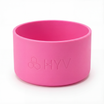
- Add a silicone base boot. Most vacuum failures start with a vertical drop onto the base.
What actually goes wrong over time
Bottles rarely fail all at once. Three things degrade, in rough order of how often they end a bottle's life:
- The gasket. Silicone hardens, stops sealing and holds odour within 6-12 months of daily use. This is the cheapest fix and the most neglected — most bottles that "smell no matter what" have a two-year-old seal.
- The vacuum. Usually from a vertical drop onto the base cracking the seal weld. Silent, invisible, and it halves the bottle's usefulness.
- The finish. Wet paint chips within a year; powder coat survives 3-5. Cosmetic, but it is what makes a bottle feel old.
None of the three is the steel body, which is why buying a bottle on body material alone misses what actually determines lifespan.


Leave a comment
This site is protected by hCaptcha and the hCaptcha Privacy Policy and Terms of Service apply.