




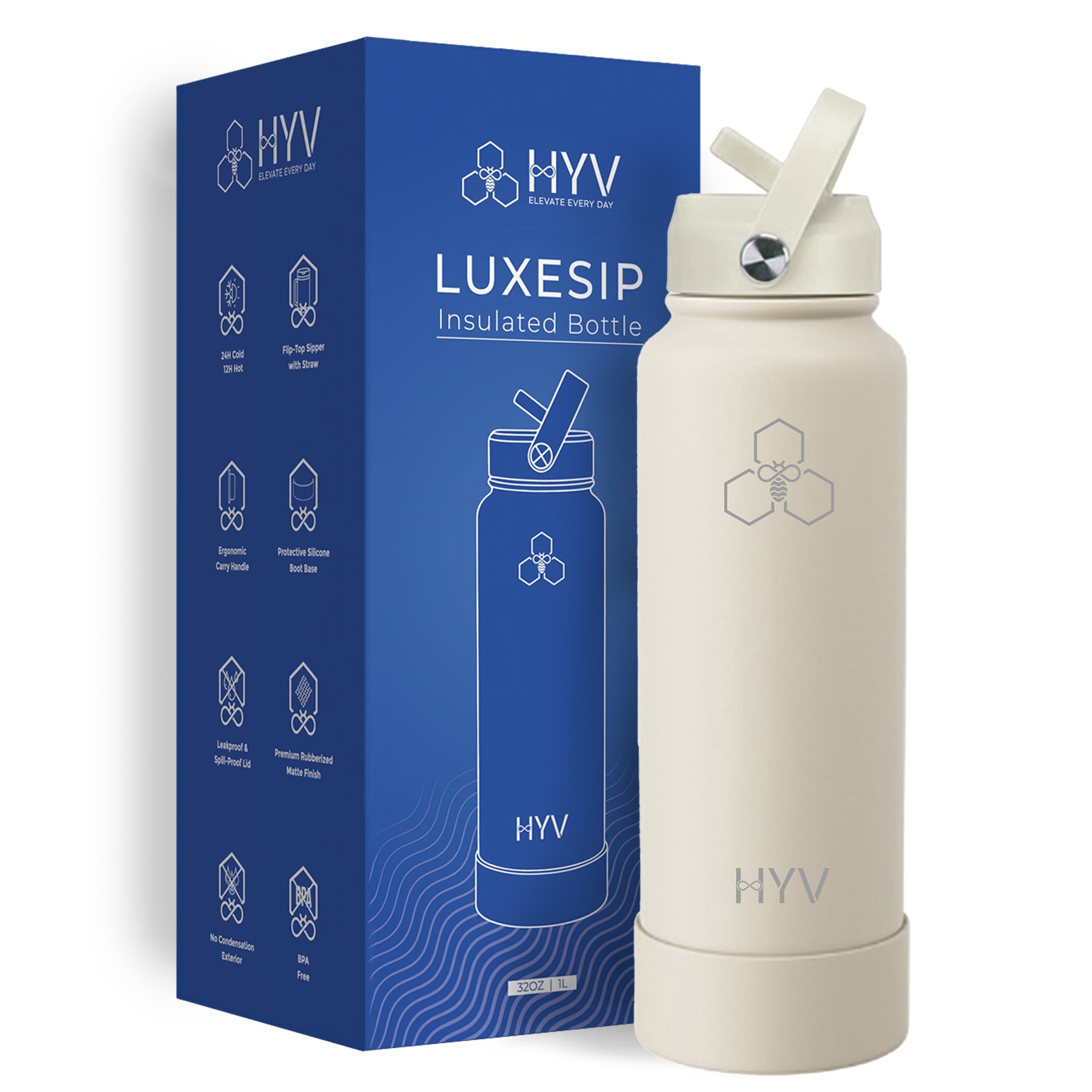
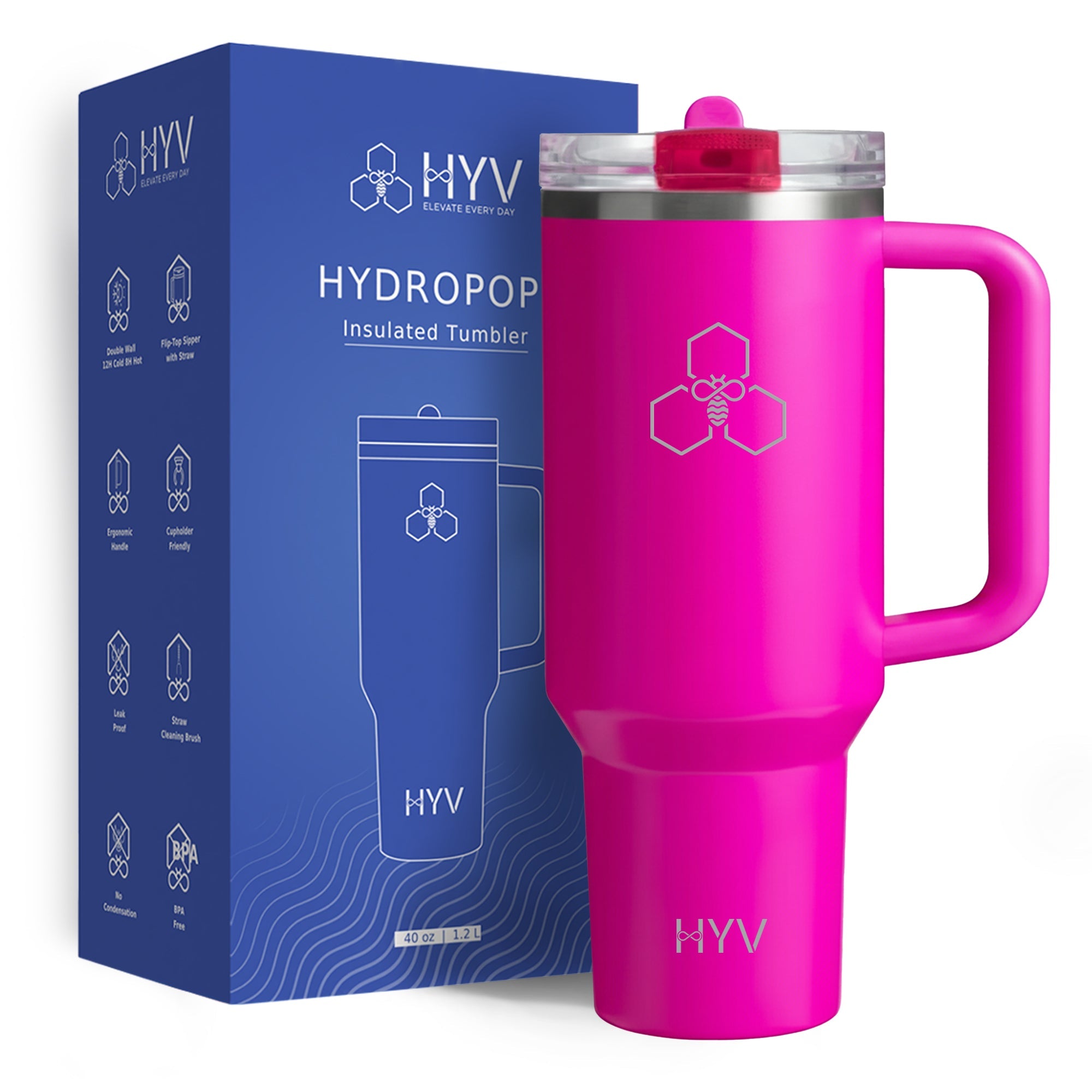
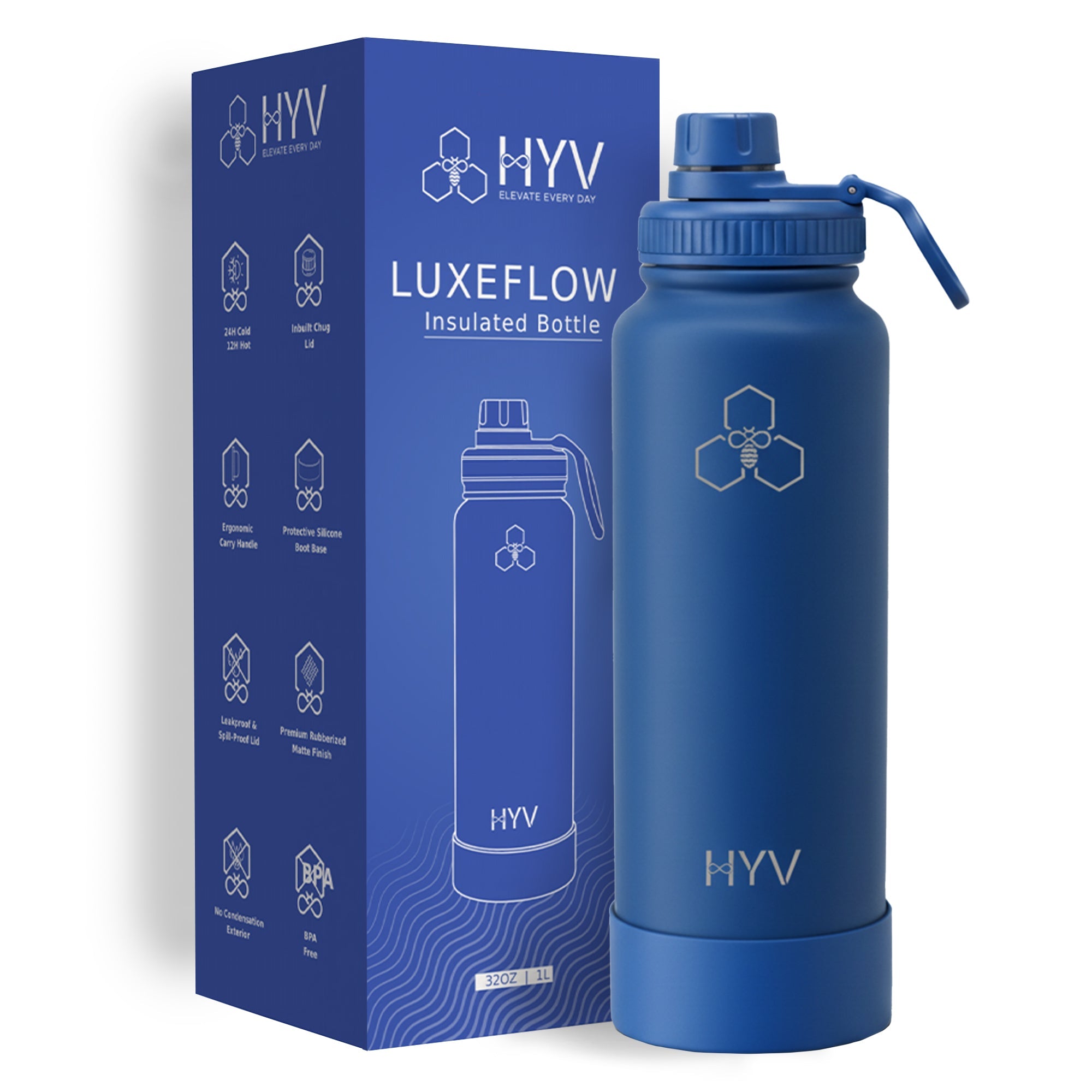
Hydration bottles for running come in three formats: handheld (single 500–750ml bottle with a hand strap), belt (500ml + belt loop), and running vest (2× 500ml soft flasks front-loaded). For 5K–10K, most runners need nothing or a small handheld. For half marathons in Indian heat, a handheld insulated or belt is smart. For marathon and ultra distances, a vest is standard. Cold water in Indian heat drives higher intake — insulation matters more than most think.
Key Facts
- Handheld bottles: simplest, best for 5K–half marathon in cool weather.
- Belt bottles: hands-free, needs a proper fit to avoid bounce.
- Vests: standard for marathon and ultra distances; 2× soft flasks + bladder support.
- Insulation matters more in Indian heat than most runners realise.
HYV picks, with the actual product
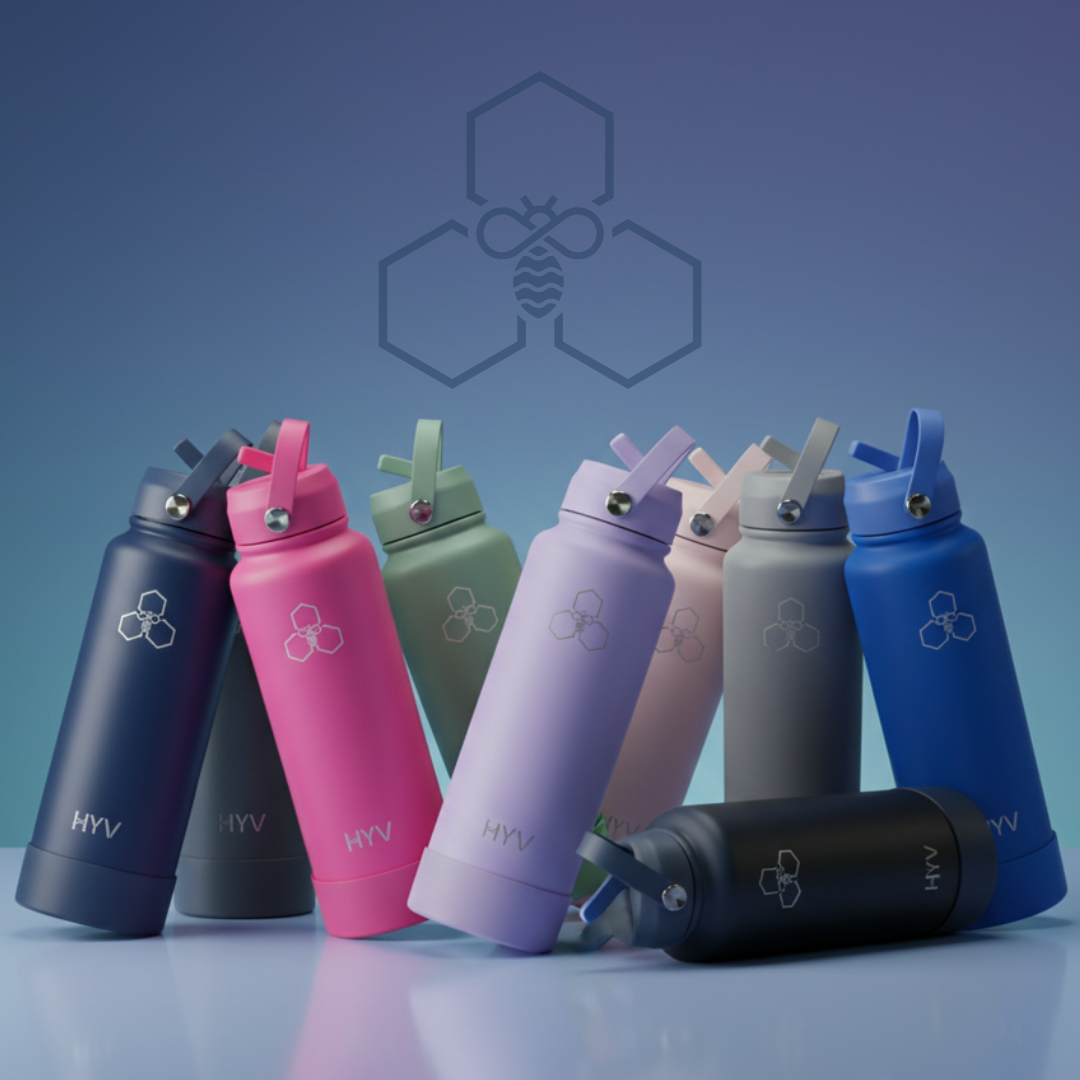
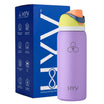
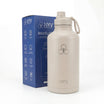
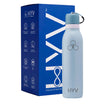
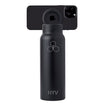
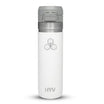
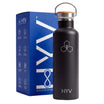
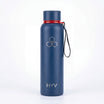
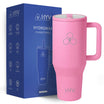
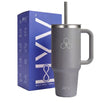
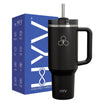
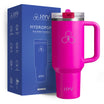
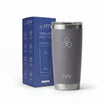
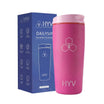
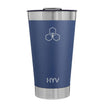
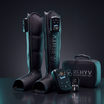
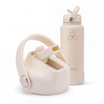
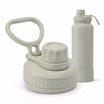
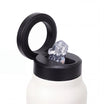
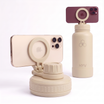
Three models worth looking at for this, photographed as they ship. Prices are the direct price on livehyv.com.


Free shipping on orders over ₹499 · 7-day free replacement for product issues. HYV makes BIS-certified bottles.
By distance and conditions
- 5K: most runners need nothing.
- 10K: optional handheld 500ml.
- Half marathon in heat: handheld insulated 500–750ml or belt.
- Marathon: vest with 2× 500ml soft flasks.
- Ultra distances: vest + optional bladder.
The three formats
Handheld — simple, works up to ~2 hours. Belt — hands-free, needs a proper waist fit. Vest — best comfort and capacity but pricier.
Insulation for Indian conditions
Warm water tastes worse than nothing after 30 min in Indian heat. An insulated handheld keeps water cold the whole run — a real adherence boost.
Brand picks
Handheld: Nathan, Camelbak, Amphipod. Vest: Salomon, Nathan, Camelbak, Ultimate Direction.
Frequently Asked Questions
Do I need a hydration bottle for a 10K?
Usually no if you hydrated before. In Indian heat, a small handheld with cold water helps.
Vest or belt for a marathon?
Vest is the standard — better comfort, no bounce, more capacity.
How much fluid do I need per hour running?
Roughly 500ml per hour in warm weather. More with heavy sweat or high heat.
Related guides
Settling a comparison in four hours
If two bottles look equivalent on paper, test rather than argue. Fill both with ice water, leave them four hours in the same warm room, then touch the outsides.
A working vacuum bottle stays at room temperature and never sweats. Any condensation means a compromised seal — and that failure is invisible at purchase. Run the same test on both at 12 and 24 hours with a thermometer if you want an actual number rather than a marketing claim.
The second test worth running is the lid: fill, close, invert over a sink and squeeze. Most bottles fail at the lid long before the body, and it is the difference you will notice weekly.
The specifications that decide it
- Steel grade. 304 stated explicitly beats an unstated grade every time, whatever the brand.
- Certification. BIS IS 17526:2021 with a CM/L number is tested; anything else is claimed.
- Lid type against your actual day. One-handed lids (straw, 2-in-1, bite valve) measurably raise how often people drink; screw caps are the most leak-safe and the worst for sip frequency.
- Gasket replaceability. Decides whether the bottle lasts five years or one.
- Warranty scope — specifically whether vacuum failure is covered, since that is the failure that actually happens.
How to compare two bottles properly
Comparisons usually turn on brand impressions when they should turn on four specifications:
- Steel grade — 304 stated explicitly, or not.
- Certification — BIS IS 17526:2021 with a CM/L number, or an untested claim.
- Lid design and gasket replaceability — where bottles actually fail.
- Warranty scope — specifically whether vacuum failure is covered.
If both options match on all four, the remaining differences are finish, capacity and price, and the cheaper one is usually the right answer.


Leave a comment
This site is protected by hCaptcha and the hCaptcha Privacy Policy and Terms of Service apply.