






























The hardest part of gifting an Indian mother is that she will tell you not to spend money on her and will often mean it. The workaround that works is buying something she uses daily but would never upgrade herself, framed as practical — that lets her accept it without feeling money was wasted. Budgets typically run ₹2,000-8,000. The most common mistake is buying something for the kitchen or household and calling it her gift: she will use it, and it registers as a family purchase rather than a present.
Key Facts
- Frame it as practical, not indulgent — that is what gets it accepted.
- Budget ₹2,000-8,000, often pooled between siblings.
- Household appliances are family purchases, not personal gifts.
- Time together consistently outranks objects.
HYV picks, with the actual product
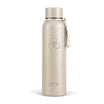
Three models worth looking at for this, photographed as they ship. Prices are the direct price on livehyv.com.


Free shipping on orders over ₹499 · 7-day free replacement for product issues. HYV makes BIS-certified bottles.
Start here
Gift lists are unhelpful because they start with products. Start with these three questions instead and the field collapses fast.
- What have they mentioned wanting and then not bought? The highest-hit-rate source of gift ideas, and the one almost everyone forgets. People talk themselves out of purchases constantly.
- What do they use daily that is visibly worn out? Everyone has one, and nobody replaces it on time.
- Do they have space for it? In Indian homes especially, another decorative object is a burden, not a present.
If all three come up blank, buy consumables from a name they recognise, or an experience. Both beat a guessed object.
Budget norms in India
| Occasion | Budget |
|---|---|
| Birthday | ₹2,000-8,000 |
| Mother's Day | ₹1,500-5,000 |
| Diwali | ₹2,000-6,000 |
| Milestone (50, 60, 70) | ₹10,000-30,000, usually pooled |
| Student budget | ₹500-1,500 plus something you do rather than buy |
Category by category
Daily-use upgrades
Indian mothers systematically under-buy for themselves, so the gap is wide and easy to fill. Good footwear, quality drinkware, a decent bag, a better version of something she uses without thinking about it.
Health and comfort
Lands well and is easy to accept because it is visibly practical. A massager, supportive footwear, a good pillow, a BP monitor for someone older.
Jewellery
Occasion-significant in most Indian families. ₹2,000 upward for silver, considerably more for gold.
Experiences and time
A day out, a trip, a meal. Consistently the most-remembered, and it sidesteps the "don't spend on me" objection entirely because there is nothing to feel guilty about owning.
Taking something off her plate
Handling something she normally handles — a task, an errand, an arrangement. Costs nothing and is disproportionately appreciated.
What does not work as a personal gift
Kitchen appliances, household electronics, anything the whole family uses. Genuinely useful; not a present.
By budget
| Budget | Options |
|---|---|
| ₹500-2,000 | Insulated bottle, good footwear, a planned day out |
| ₹2,000-5,000 | Massager, silver jewellery, quality bag, a meal out |
| ₹5,000-15,000 | Gold jewellery, a short trip, premium comfort items |
| ₹15,000+ | Milestone jewellery, a proper trip |
What is specific to this
The framing problem is the entire challenge. A gift presented as a treat gets deflected and then stored "for good". The same gift presented as practical gets used — "your old one was falling apart" works where "I wanted to get you something nice" does not.
The second thing: for many Indian mothers the gift they actually want is time and attention, and they will not say so. A planned day costs less than most objects here and is remembered longer.
What consistently fails
- Ornamental objects. Indian homes accumulate gifted showpieces faster than they can display them.
- Anything commenting on habits. Fitness trackers nobody asked for, diet books, posture correctors — kindly meant, received as criticism.
- Generic padded hampers. Everyone can price a hamper on sight.
- Clothing without knowing fit and preference.
- Gadgets solving problems they do not have.
- Gift cards for close relationships. Efficient, and read as effort-free by the people who matter most.
Where HYV fits
Full disclosure: HYV makes insulated drinkware, so treat this section with appropriate scepticism. It appears here for one reason — it clears the practicality bar that decides whether a mother-gift gets used or stored, which is the actual obstacle in this category.
The range runs ₹899 (CoreFlow 750ml) to ₹2,499 (MaxFlow 2L), with the LuxeSip 1L at ₹1,699 and the magnetic-lid MagFlex 1L at ₹1,899. HYV makes BIS-certified bottles. BIS IS 17526:2021 is the Indian standard that actually tests retention rather than taking the claim on trust, and worth checking on any bottle from any brand. See what BIS certification verifies.
If drinkware is not right for this person, everything above is a better bet than forcing it.
Getting the register right
The most common miss is not budget, it is register — a gift that is too personal for the relationship, or too impersonal for it.
- Colleagues and acquaintances: useful and neutral. Nothing touching appearance, grooming or health.
- Close friends and siblings: specificity and in-jokes outperform spend by a wide margin.
- Partners and parents: something referencing an actual conversation beats a costlier generic item almost every time.
When you genuinely do not know someone's taste, buy a high-quality version of something everyone uses rather than guessing at style. It is the safest play and it is not a cop-out.
Personalisation: when it helps and when it hurts
Engraving a name or date raises perceived value noticeably and signals planning. It also makes the item non-returnable and non-regiftable, which turns a near-miss into a dead gift.
So personalise when you are confident about the object itself — a name on the right thing is lovely, and a name on the wrong thing removes every escape route. For anything where size, taste or existing ownership is uncertain, leave it plain and include a gift receipt.
More questions
How do you choose a gift for someone you do not know well?
Stay useful and impersonal. Good drinkware, quality stationery, a plant. Avoid anything touching appearance, grooming or health, which is where well-intentioned gifts most often misfire at that distance.
Are experience gifts better than objects?
Often, but only when you handle the organising. A voucher the recipient has to book themselves is homework with a ribbon on it; the gift is the absence of planning burden as much as the experience.
Does a more expensive gift show you care more?
No, and past a point it can create obligation rather than pleasure. Attention is what is being read — a gift that proves you remembered something they said outperforms a costlier generic one consistently.
Prices and the whole range are on the gifts collection.
Frequently Asked Questions
Gift for Mom?
The hardest part of gifting an Indian mother is that she will tell you not to spend money on her and will often mean it. The workaround that works is buying something she uses daily but would never upgrade herself, framed as practical — that lets her accept it without feeling money was wasted.
How much should I spend?
Occasion Budget Birthday ₹2,000-8,000 Mother's Day ₹1,500-5,000 Diwali ₹2,000-6,000 Milestone (50, 60, 70) ₹10,000-30,000, usually pooled Student budget ₹500-1,500 plus something you do rather than buy
What should I avoid?
Ornamental objects, anything commenting on their habits, generic padded hampers, clothing without knowing fit, and gadgets solving problems they do not have.
Working with HYV directly
- Customise your own bottle — HYV Studio, from a single unit.


Leave a comment
This site is protected by hCaptcha and the hCaptcha Privacy Policy and Terms of Service apply.