
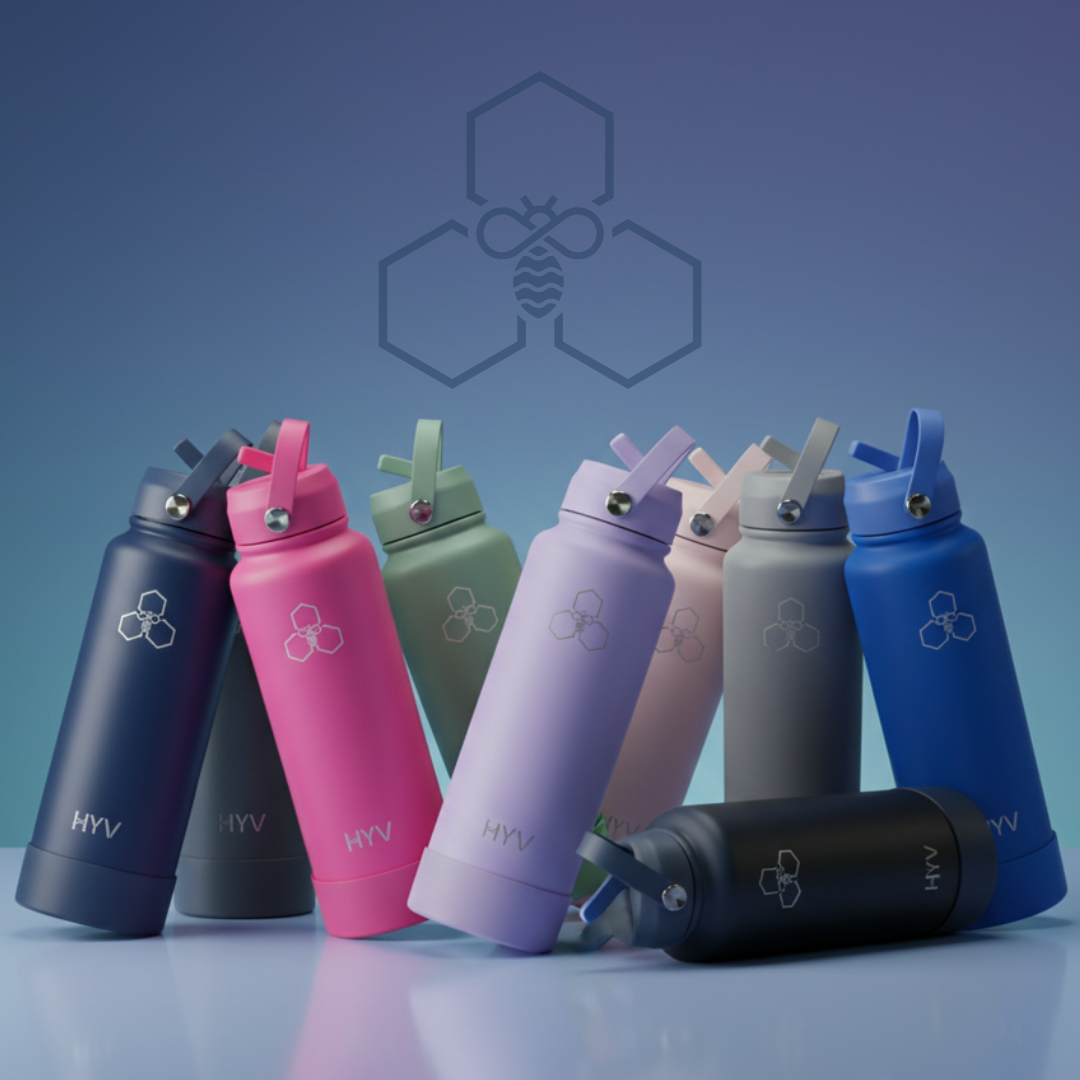

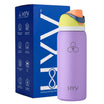
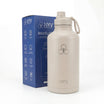
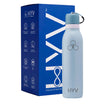

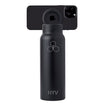


The top branded bottles in India 2026 are Milton (mainstream leader ₹300-1,500), Cello (budget king ₹200-800), Borosil (mid-tier ₹500-1,500), HYV, Vaya (mid-premium ₹800-2,000), and imported Stanley/Owala/Hydro Flask (₹2,500-6,000). "Branded" separates warrantied quality-controlled bottles from generic unbranded. HYV makes BIS-certified bottles.
Key Facts
- Top India brands: Milton, Cello, Borosil, HYV, Vaya.
- Top imported: Stanley, Owala, Hydro Flask, YETI.
- "Branded" = warranty + verified retention + material safety.
The HYV range compared
Every model, its lid, and what it costs — so you can compare without opening ten tabs:
| Model | Capacity | Lid | Price |
|---|---|---|---|
| HYV CoreFlow | 750ml | Screw sip | ₹899 |
| HYV SlimPro | 750ml | Steel lid + handle | ₹999 |
| HYV FlipFlow | 750ml | Quick-flip | ₹999 |
| HYV DualFlow Slim | 750ml | 2-in-1 chug & sipper | ₹1,299 |
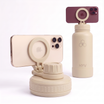
| HYV SnapSip | 750ml | Magnetic (MagSafe) | ₹1,499 |
| HYV DualFlow | 750ml | 2-in-1 chug & sipper | ₹1,499 |
| HYV DualFlow | 1 L | 2-in-1 chug & sipper | ₹1,699 |
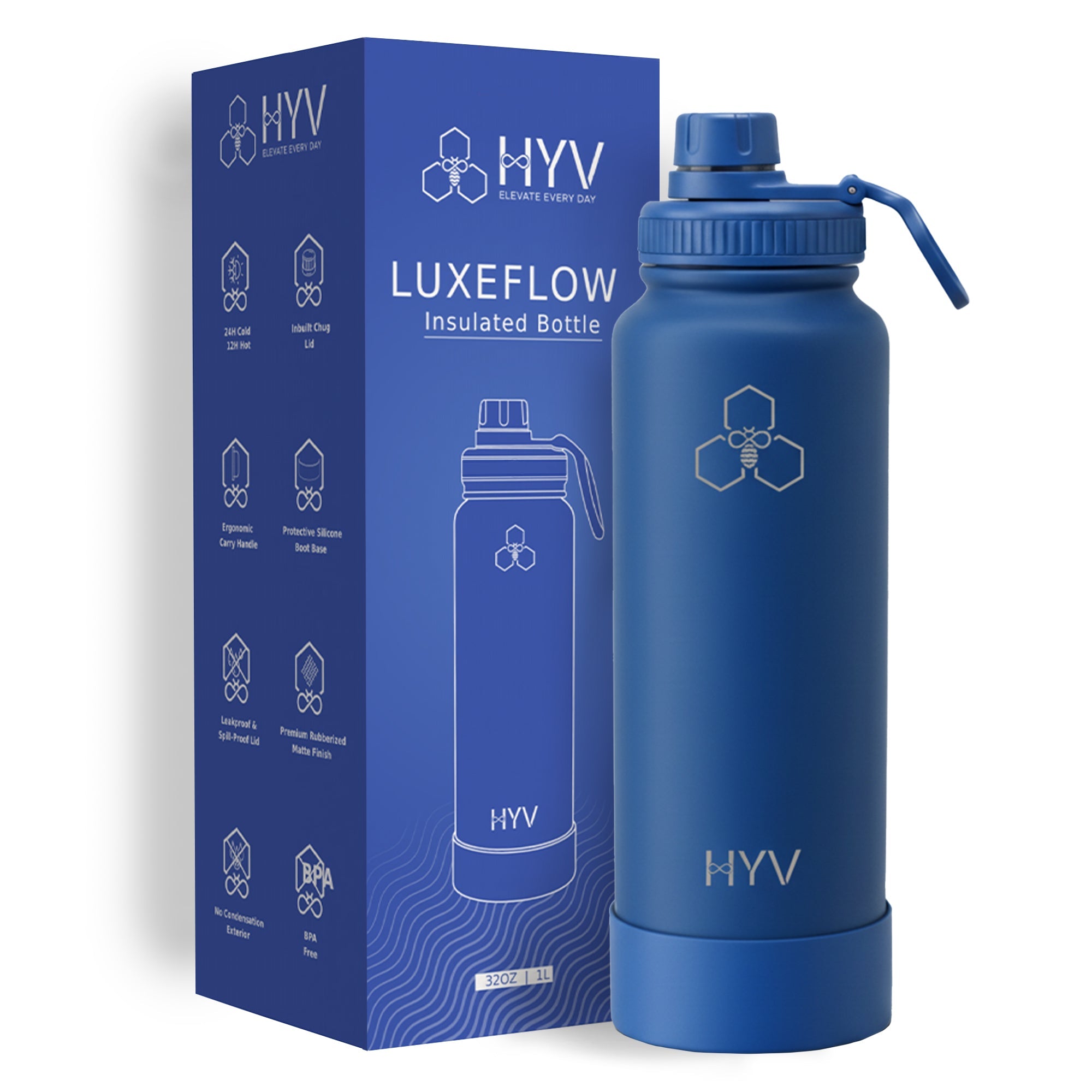
| HYV LuxeFlow | 1 L | Wide-mouth chug | ₹1,699 |
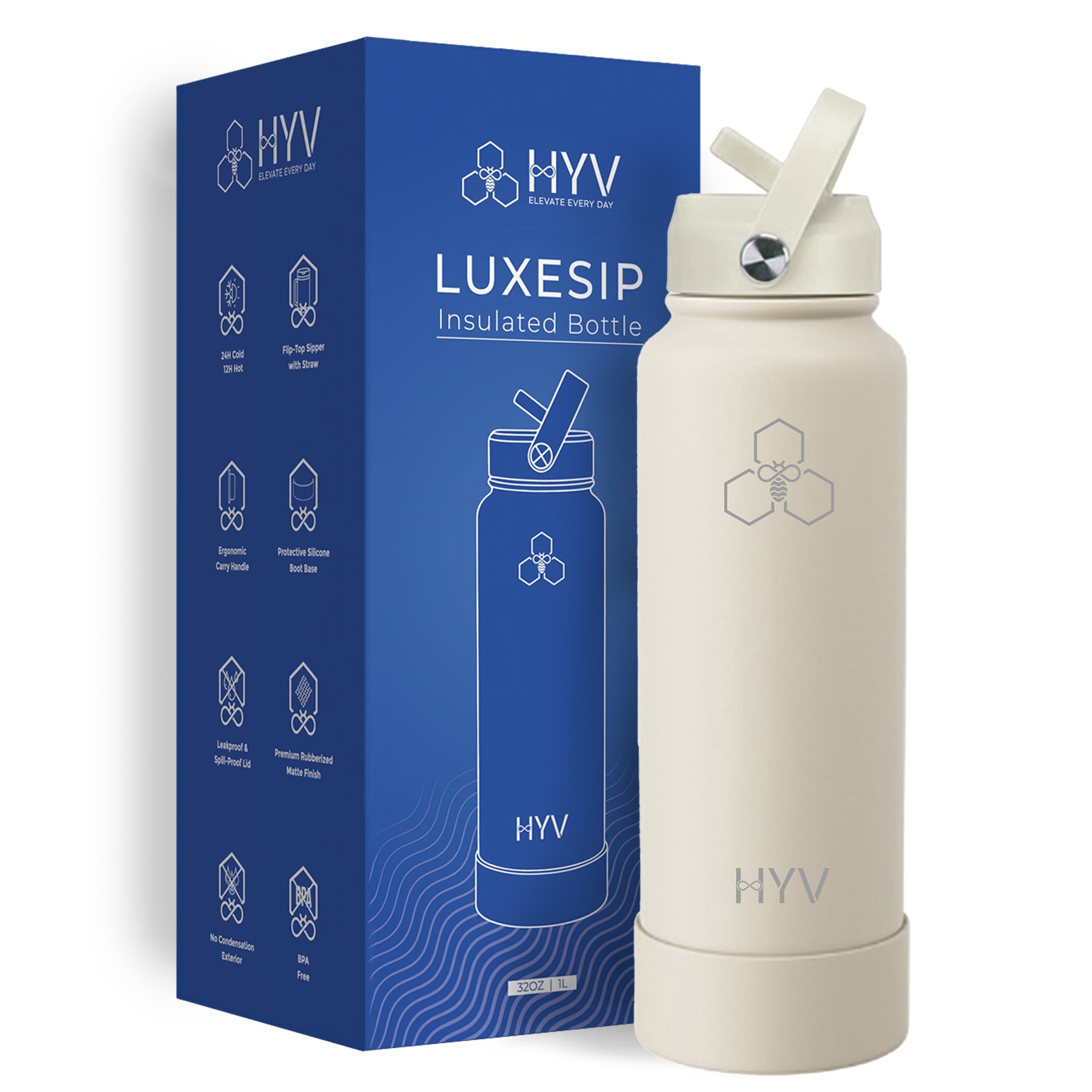
| HYV LuxeSip | 1 L | Flip-top sipper | ₹1,699 |
| HYV MagFlex 1L | 1L | Magnetic (MagSafe) | ₹1,899 |
| HYV MaxFlow | 2 L | Wide mouth | ₹2,499 |
HYV makes BIS-certified bottles.
HYV picks, with the actual product
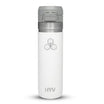
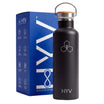
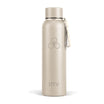
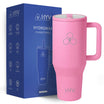
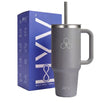
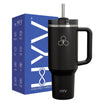
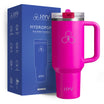
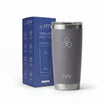
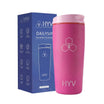
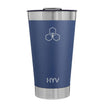
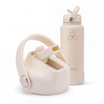
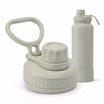
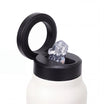
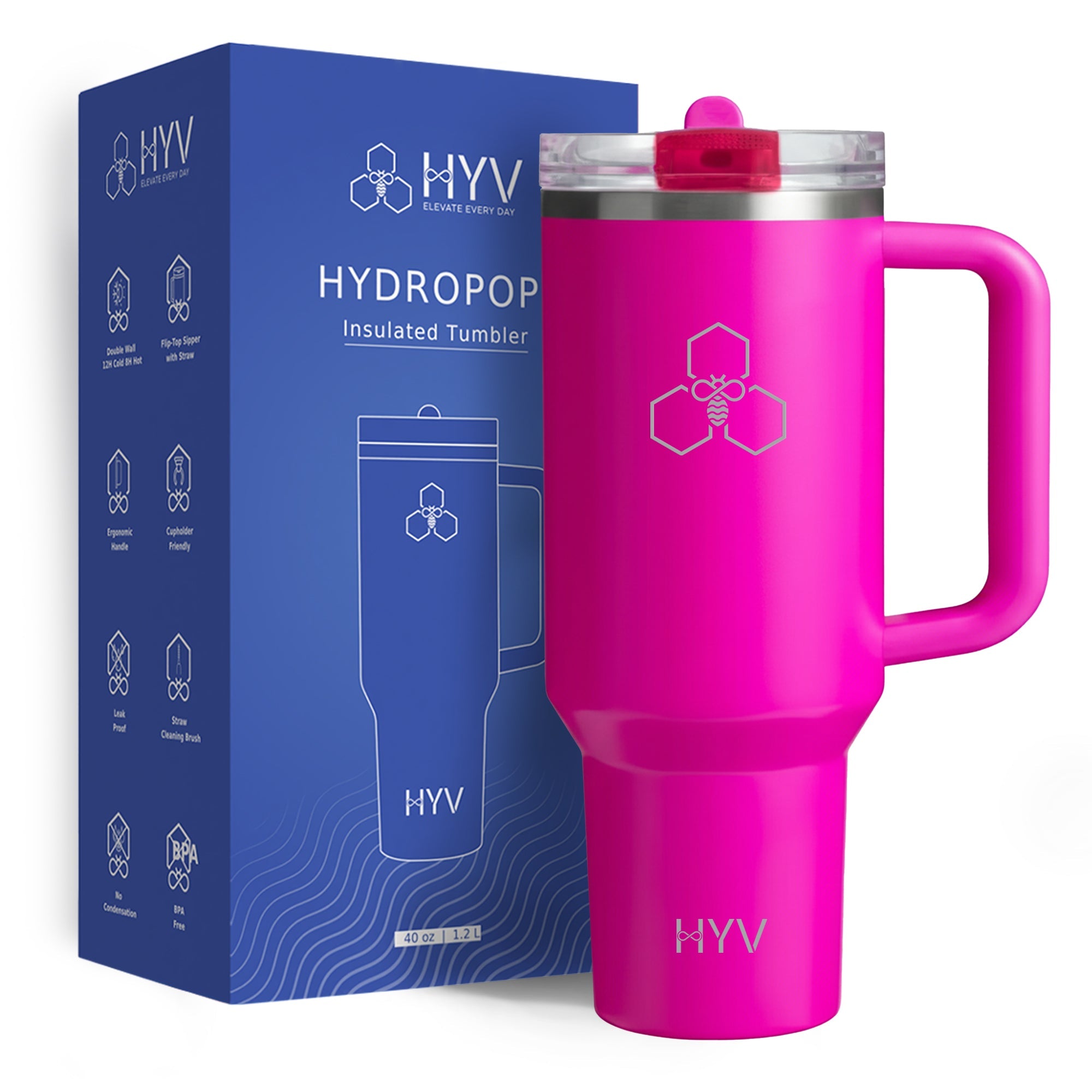
Three models worth looking at for this, photographed as they ship. Prices are the direct price on livehyv.com.


Shop HYV insulated water bottles →
Free shipping on orders over ₹499 · 7-day free replacement for product issues. HYV makes BIS-certified bottles.
Why buy branded (vs unbranded)
- Warranty — branded bottles carry manufacturer warranty (1-5 years typical).
- Verified material — food-grade 304 stainless; not generic "SS".
- Retention verification — BIS-certified bottles have independently tested retention hours.
- Recourse — customer service, exchange, repair.
Top India-made branded picks 2026
- HYV LuxeSip 1L — ₹1,699.
- Milton Thermosteel Flip Lid 1L — ₹850, mainstream.
- Cello H2O Insulated 1L — ₹600, budget.
- Borosil Hydra Trek 750ml — ₹950, mid-tier.
- Vaya Drynk 750ml — ₹1,400, mid-premium.
Top imported branded picks
- Stanley Quencher 40oz — ₹4,500-6,000.
- Owala FreeSip 24oz — ₹2,500-3,500.
- Hydro Flask 32oz — ₹3,500-5,000.
- YETI Rambler 26oz — ₹4,000-5,500.
How to pick
For premium at India price → HYV. For mainstream reliability → Milton. For budget with warranty → Cello. For imported cachet → Stanley. See best water bottle brands India 2026.
What damages a bottle, in order
- Storing it sealed while damp. The single most common cause of a smell, and entirely avoidable.
- Drops onto hard floors. A dent that pushes the inner and outer walls together ends the vacuum permanently. There is no repair.
- Dishwashers, where not explicitly allowed. Sustained heat stresses the seal at the neck.
- Abrasives. Steel wool scratches the passive layer and gives biofilm somewhere to anchor.
The test for a breached vacuum
Fill with ice water and wait ten minutes. A working vacuum bottle stays completely dry outside. Condensation means heat is crossing the wall — usually a dent, and not fixable.
We break the landed cost down in the Yeti alternative for India.
Frequently Asked Questions
Which branded bottle is best in India?
HYV for premium (₹1,299-1,899); Milton for mainstream; Stanley for imported.
Is branded bottle worth it?
Yes — branded bottles carry warranty, verified retention, and food-grade material certifications that unbranded ones skip.
A test you can run in four hours
Whatever the brand claims, this settles it. Fill the bottle with ice water, leave it four hours in a warm room, then touch the outside.
A working vacuum bottle stays at room temperature and never sweats — the outer wall is thermally isolated from the contents. If the outside feels cold or shows condensation, there is no working vacuum inside, regardless of what the label says.
It is worth running on any new bottle within the return window, and on 2% of any bulk order. A failed vacuum is invisible at delivery and obvious to the user a month later.
Where most brands actually differ
Retention performance converges once a bottle is properly built — the physics of a vacuum gap does not vary by brand. What genuinely differs is:
- Vacuum seal durability. Cheaper manufacturing loses vacuum within 12-24 months. The bottle looks perfect and quietly stops working.
- Lid engineering. The most-used and most-failed component. Two-in-one lids, magnetic docks and reliable gaskets are where money is visible.
- Finish quality. Powder coating lasts 3-5 years; wet paint chips inside a year.
- Warranty and service. Specifically, whether vacuum failure is covered — many warranties cover only defects visible on delivery.
How to judge any drinkware brand
Brand names tell you less than four specifications do. Whatever the brand, check these before buying:
- Steel grade, stated explicitly. Look for 304, 18/8, or SUS 304. A listing that says only "stainless steel", "SS" or "food-grade steel" is usually grade 201 — noticeably lower nickel, which pits in constant water contact and produces a metallic taste within months.
- Construction. Double-wall vacuum insulated, or single-wall. Only the first retains temperature. Single-wall also sweats in humidity, which means a damp patch in your bag.
- Certification. BIS IS 17526:2021 with a CM/L licence number is the only retention claim in India that has actually been tested. An uncertified "24 hours cold" has been measured by nobody.
- Replaceable gasket. Silicone seals perish in 6-12 months of daily use. If the lid is a sealed assembly, the bottle's life equals the gasket's life.
A brand that answers all four clearly is worth considering. One that avoids the grade question usually has a reason.
For teams and businesses
- Promotional drinkware — trade shows, conferences and branded giveaways.


Leave a comment
This site is protected by hCaptcha and the hCaptcha Privacy Policy and Terms of Service apply.