




For cleaning a 20L water dispenser bottle, you need a long-handle industrial bottle brush — typically 60–90cm handle with a wide bristled head. India price: ₹250–800. Alternative: DIY with a stainless steel scrubber tied to a long stick. For office/home dispensers, clean the bottle interior every 2–3 refills (or fortnightly) with warm water + food-grade sanitiser. Refuse to reuse dispenser bottles beyond their intended cycle count (~50 refills for polycarbonate).
Key Facts
- 20L dispenser cleaning brush: 60–90cm handle, wide head.
- India price: ₹250–800.
- Clean every 2–3 refills or fortnightly.
- Polycarbonate 20L bottles: ~50 refill cycles before replacement.
HYV picks, with the actual product
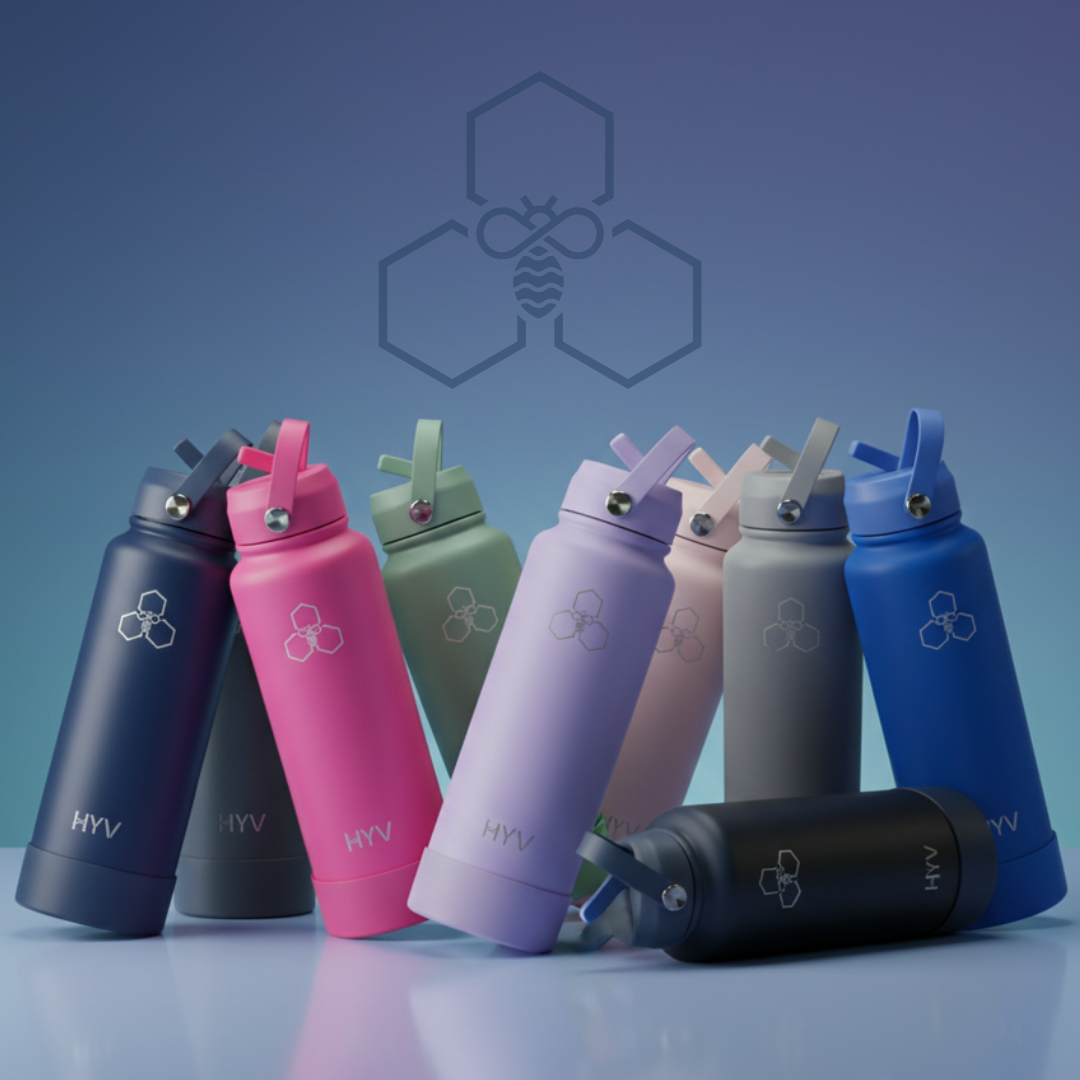
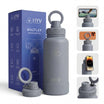
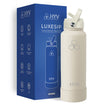
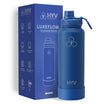
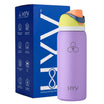
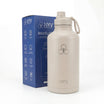
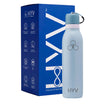
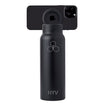
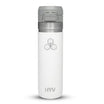
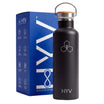
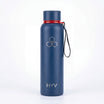
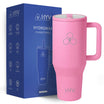
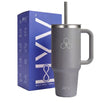
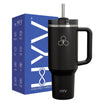
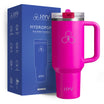
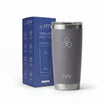
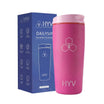
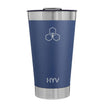
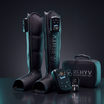
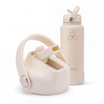
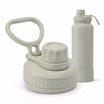
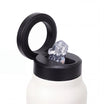
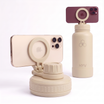
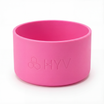
Three models worth looking at for this, photographed as they ship. Prices are the direct price on livehyv.com.


Free shipping on orders over ₹499 · 7-day free replacement for product issues. BIS IS 17526:2021 is granted per product. LuxeSip, LuxeFlow, MagFlex, CoreFlow and ChillSip carry it; the other models do not.
What to buy
- Long-handle industrial bottle brush, 60–90cm.
- Wide bristled head that reaches the shoulders of the 20L jar.
- Stiff bristles for scrub, soft edge to protect polycarbonate.
Where to buy
Amazon India, industrial suppliers, cleaning specialists. ₹250–800.
Cleaning routine
- Warm water rinse.
- Warm water + food-grade sanitiser tablet.
- Long-handle brush scrub.
- Rinse thoroughly with plain water.
- Air dry fully.
When to replace the dispenser bottle
Polycarbonate 20L bottles: after ~50 refill cycles or if the plastic clouds, cracks, or retains smell.
Related: what we actually recommend.
Frequently Asked Questions
How do I clean a 20L water dispenser bottle?
Long-handle industrial bottle brush + food-grade sanitiser + warm water. Every 2–3 refills.
Where to buy a 20L water bottle cleaning brush?
Amazon India, industrial suppliers. ₹250–800.
Related guides
Sizing by refills, not by litres
The number that actually decides whether a bottle works is how many refills it takes to hit your daily target, because every refill is a friction point where people stop drinking.
| Size | Refills for ~3L | Suits |
|---|---|---|
| 350-500ml | 6-9 | Running, young children, handbags |
| 750ml | 4 | Commuting, slim bags, cup holders |
| 1L | 3 | Adult daily default |
| 1.2L tumbler | 2-3 | Desk-based work |
| 1.5-2L | 1-2 | Trekking, site work |
Almost nobody completes nine refills. That is why 350ml bottles under-deliver for adults regardless of how convenient they seem.
Physical fit — measure before you buy
A 1L insulated steel bottle runs roughly 25-28cm tall and 7.5-8.5cm across, weighing 300-400g empty and about 1.34kg full.
- Backpack side pockets take a 1L in roughly 90% of cases.
- Car cup holders are the common failure: compact hatchbacks run 6.5-7cm and will not take a 1L without a silicone adapter. SUV-class holders at 8cm+ generally will.
- Handbags realistically cap at 500-750ml on height, not diameter.
- School bags — weight matters more than size; a full 1L is heavy for a young child.
When a size is the wrong choice
Small bottles fail for adult daily hydration because of refill friction, not capacity. Large bottles fail for running and handbag carry because of weight — a full 1L is 1.34kg, which measurably affects gait over 30+ minutes.
The common mistake is buying for the exceptional case rather than the daily one. If you carry a bottle to a desk five days a week and hike twice a year, buy for the desk.

Leave a comment
This site is protected by hCaptcha and the hCaptcha Privacy Policy and Terms of Service apply.