






A "wooden water bottle" typically has a wood outer sleeve (bamboo, mango, teak) wrapped around a stainless steel or glass inner. Pure wood water bottles do not exist — wood alone leaks and rots. India price: ₹800-2500. Wood adds aesthetic and grip; the water-contact material is still steel or glass. For durability and daily use, plain stainless steel wins on lifecycle. Wooden bottles work as gifts and aesthetic-first pieces.
Key Facts
- Wooden bottles are wood-sleeved bottles with steel or glass inner.
- Pure wood water bottles do not exist — wood alone leaks and rots.
- India price: ₹800-2500 depending on wood type.
- Wood adds aesthetic; steel/glass inner does the real work.
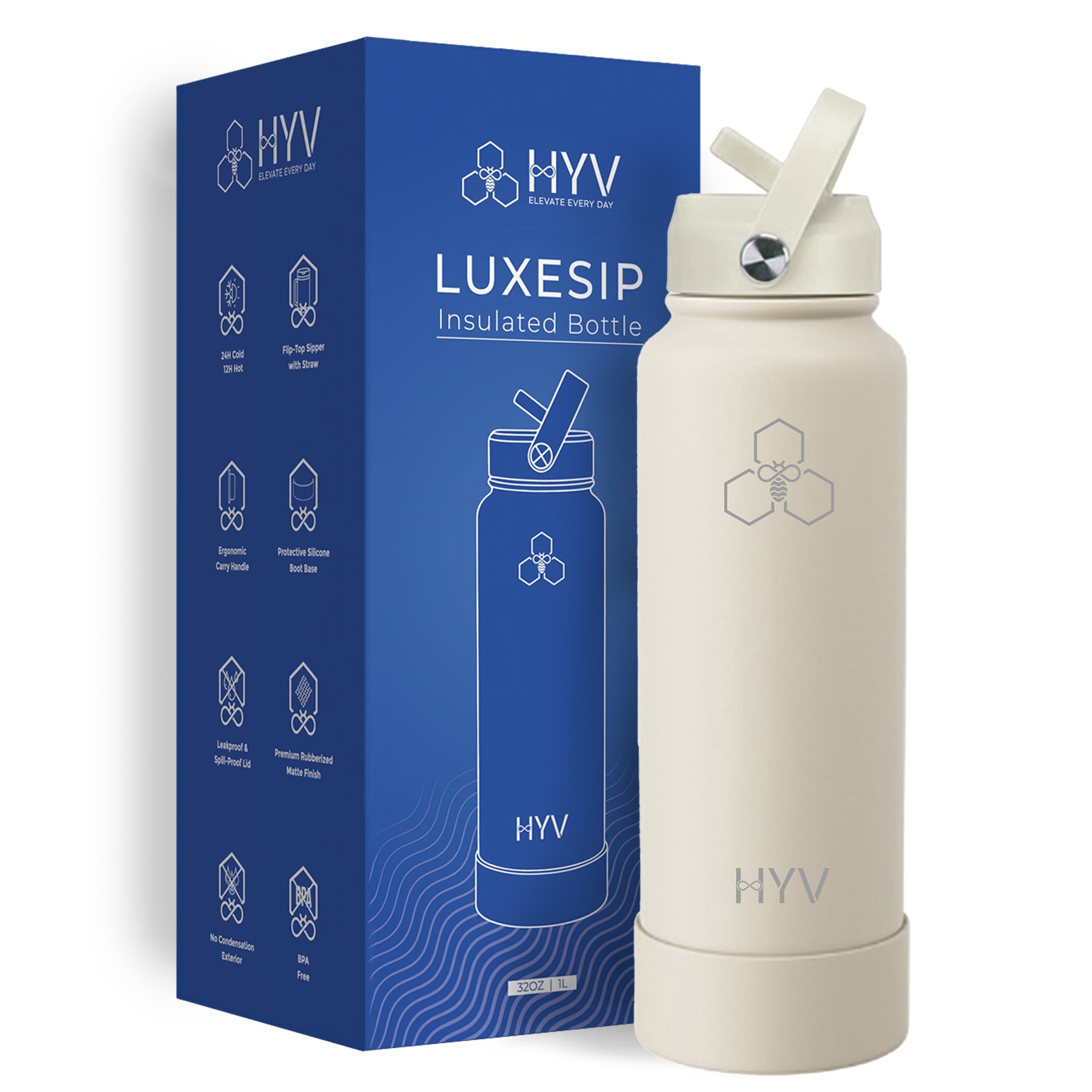
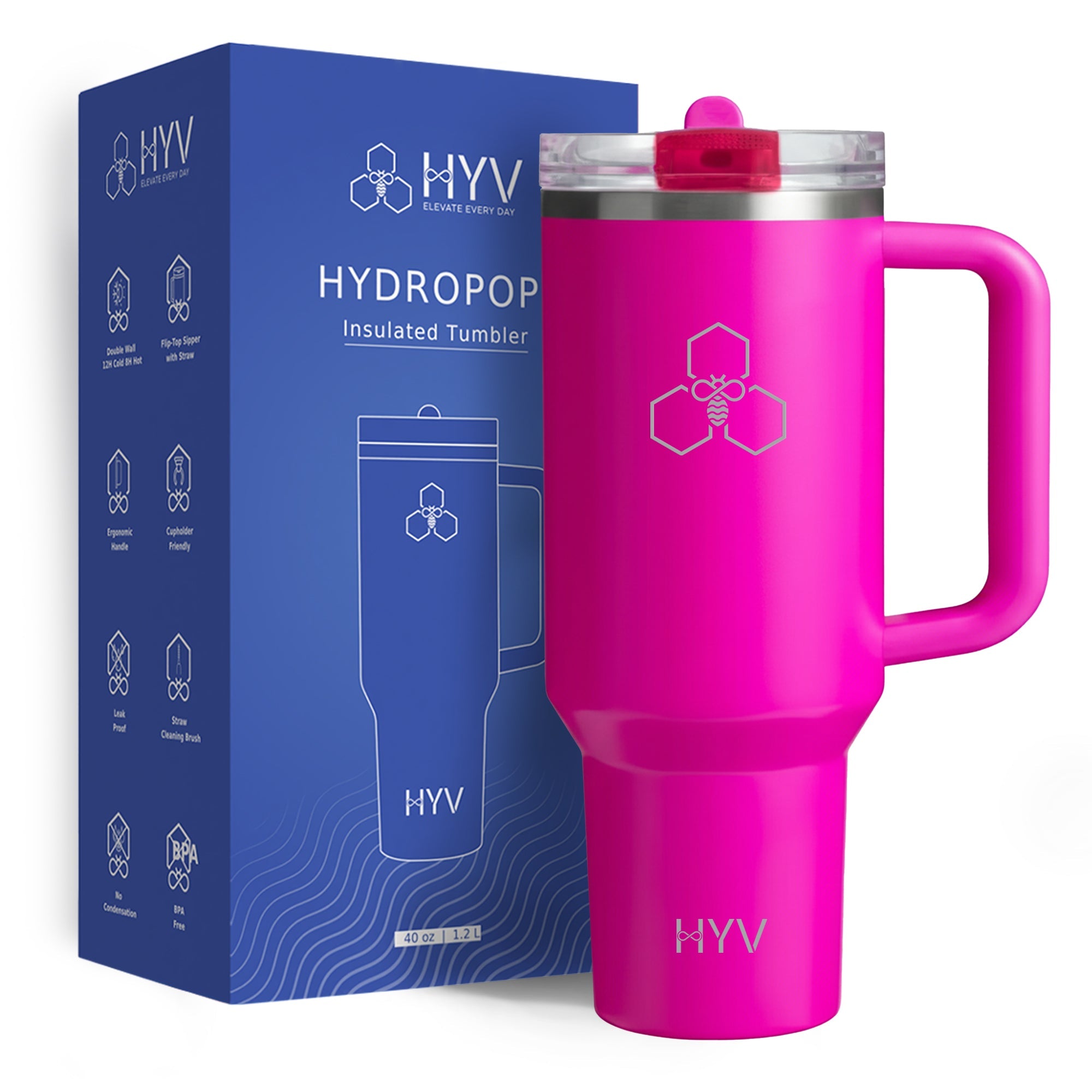
HYV picks, with the actual product
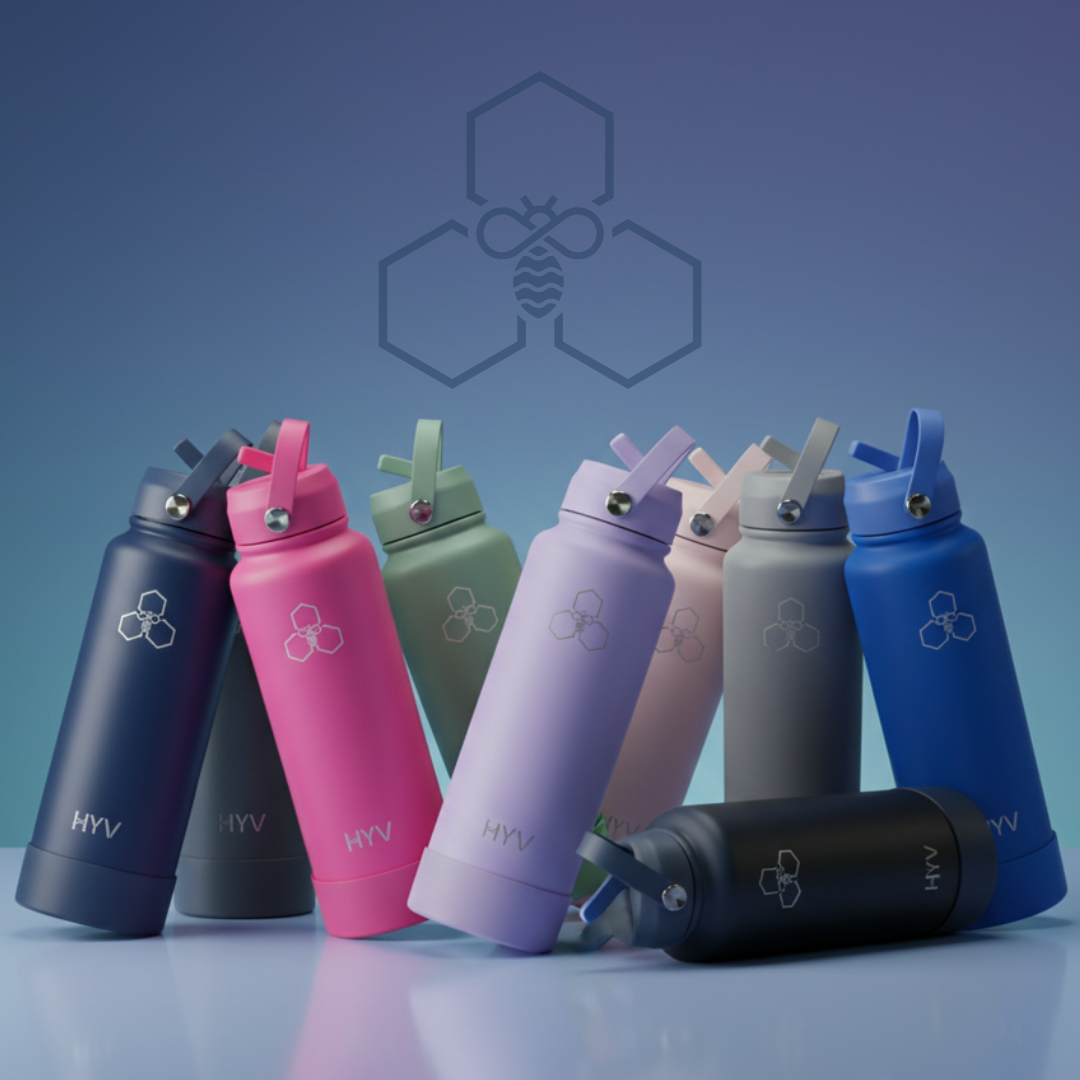
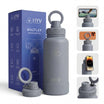
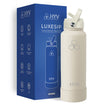
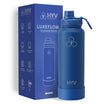
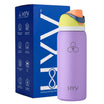
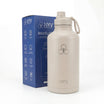
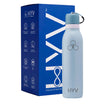
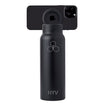
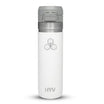
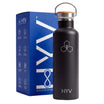
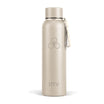
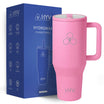
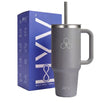
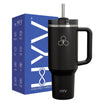
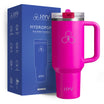
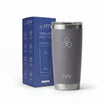
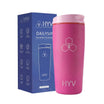
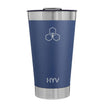
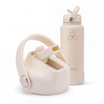
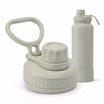
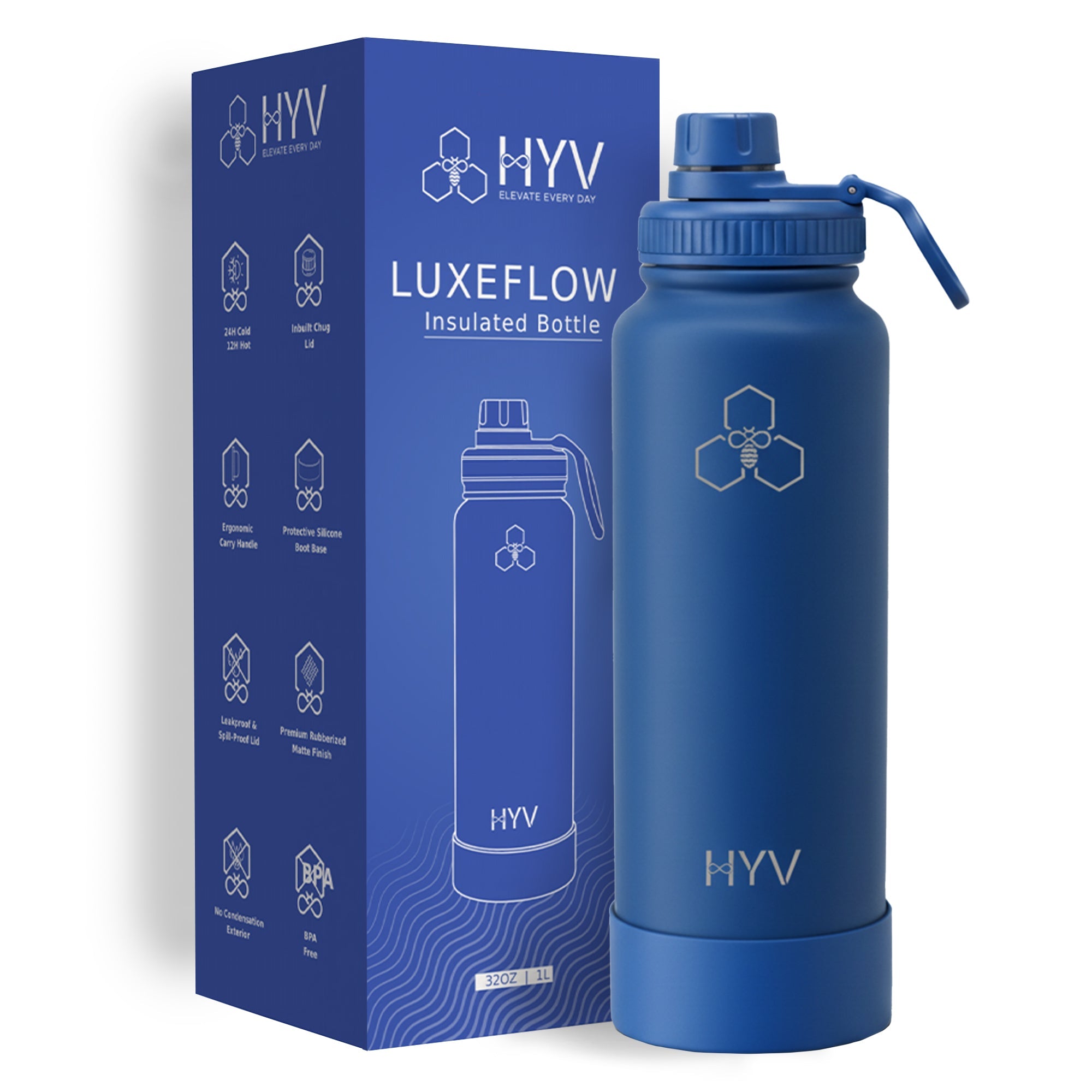
Three models worth looking at for this, photographed as they ship. Prices are the direct price on livehyv.com.


Shop HYV insulated water bottles →
Free shipping on orders over ₹499 · 7-day free replacement for product issues. HYV makes BIS-certified bottles.
What "wooden water bottle" means
Marketing shorthand for wood-sleeved bottles. Common wood outers: bamboo, mango wood, teak, acacia. Inner is stainless steel (most common) or borosilicate glass. Pure hollow-wood bottles are not a real product.
When wooden bottles make sense
- Gifting (aesthetic-first).
- Ayurvedic aesthetic.
- Table centerpiece / lifestyle accessory.
When to skip
Daily carry (wood sleeve wears in bag pockets), hot drinks (wood-glued sleeves can loosen), high-humidity climates (wood swells).
Care
Wipe wood exterior with a dry cloth. Never dishwasher. Reapply food-safe wood oil every 3-6 months for teak/mango wood variants.
Frequently Asked Questions
Are wooden water bottles safe?
The wood sleeve doesn't contact water. Safety depends on the inner (steel or glass — both safe).
How long do wooden bottles last?
The steel inner lasts 5-10 years. The wood sleeve typically 2-3 years before showing wear.
Wooden or steel bottle?
Steel wins on durability + practicality. Wood wins on aesthetic + gifting.


Leave a comment
This site is protected by hCaptcha and the hCaptcha Privacy Policy and Terms of Service apply.