




Cap colour is brand convention, not a standard. No Indian regulation assigns a meaning to a yellow, blue or green cap on packaged drinking water — the colours are packaging design, and they differ between brands and between products from the same brand. What tells you what is inside is the label.
Key Facts
- No Indian standard assigns meanings to water bottle cap colours.
- Blue, green and yellow caps vary by brand, not by water type.
- The label states the category — packaged drinking water or natural mineral water.
- Those two categories are genuinely different and are both regulated.
- A seller who claims a colour code should be asked which standard says so.
Where the story comes from
The claim circulates widely: blue means still water, green means mineral, yellow means something else again. It is repeated confidently enough that people check the cap before the label.
There is no Indian standard behind it. Cap colour on packaged water in India is a packaging decision — brands pick colours for shelf recognition, for product tiers, and sometimes simply for what the supplier had. Two bottles of identical water can have different caps, and one brand’s green can be another’s blue.
If someone tells you otherwise, the useful question is which standard they mean. There is a real answer for what is in the bottle, and it is not on the cap.
What actually distinguishes one bottle from another
The label carries the category, and the categories are real:
- Packaged drinking water — water that has been treated and purified, usually by reverse osmosis, then mineralised and bottled. Most of what you buy in India is this.
- Natural mineral water — drawn from a protected source, bottled at source, with its mineral content coming from the ground rather than being added.
Those are different products with different rules. The distinction is printed on the label because it has to be, which is exactly why it does not need a colour code.
The colour question worth asking instead
If you are choosing a bottle rather than choosing water, colour does have one practical consequence — and it is not about what is inside.
Clear and light-coloured plastic lets more light through. Ultraviolet light and heat are what degrade PET, so a case stored in sunlight ages faster than one kept in the dark, whatever the cap looks like. Storage beats packaging every time.
On a reusable steel bottle the question disappears entirely: the body is opaque, the water touches steel rather than plastic, and the colour is genuinely just a colour.
How to check any claim like this yourself
- Ask which standard. A real requirement has a number — the way BIS IS 17526:2021 is the Indian standard for vacuum insulated stainless steel containers. "Everyone knows" is not a standard.
- Read the label, not the packaging. The category, the source and the mineral content are all required to be printed.
- Be sceptical of colour-coding claims generally. They are memorable, which is why they spread, and memorability is not evidence.
The product on this page
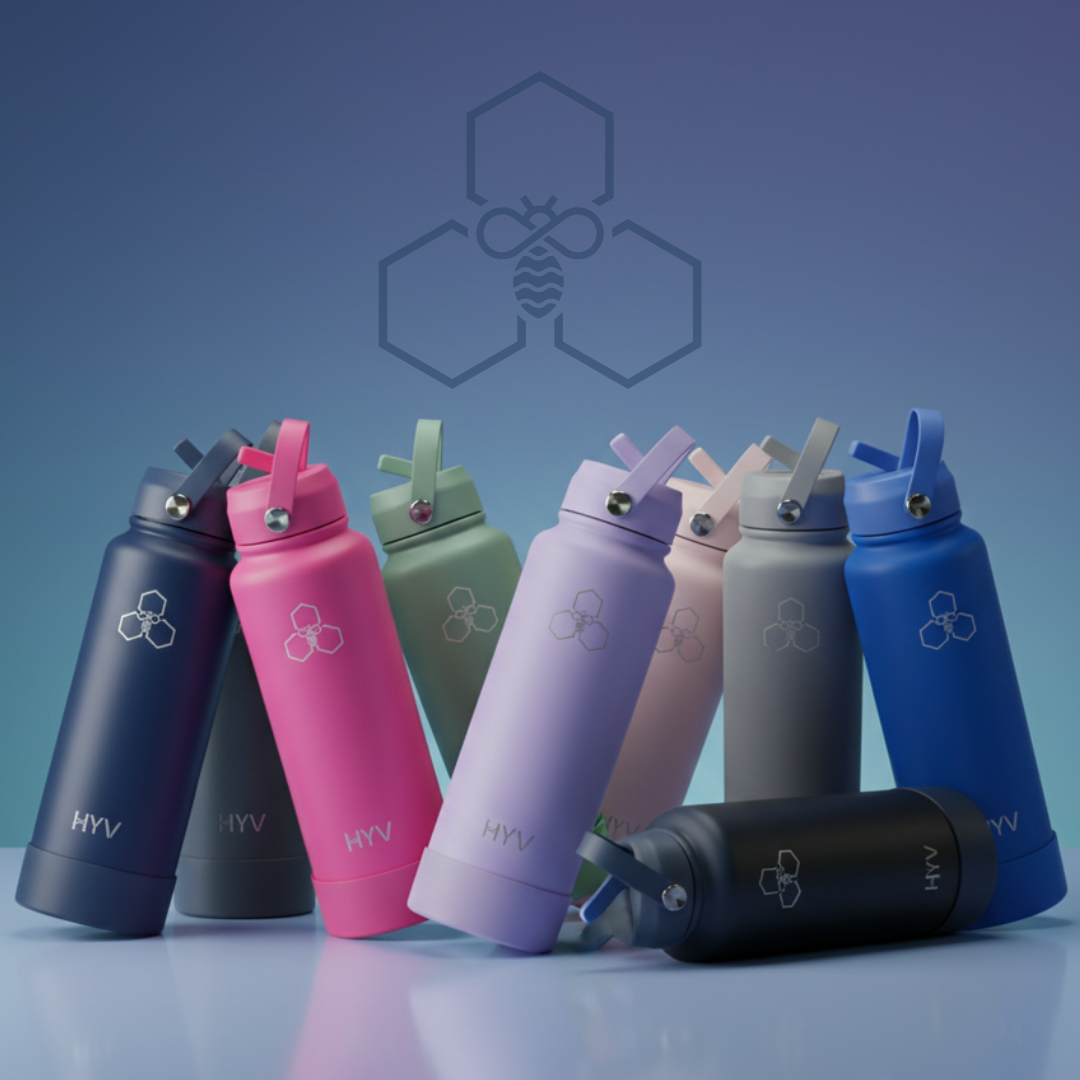
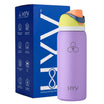
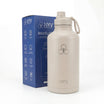
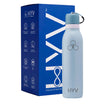
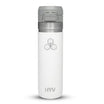
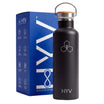
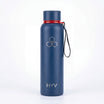
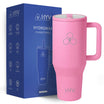
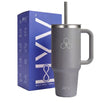
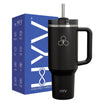
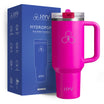
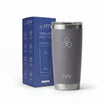
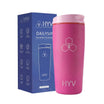
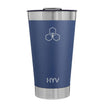
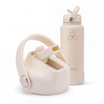
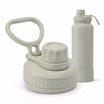
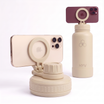
The HYV LuxeSip is 1 litre at ₹1,699, in eleven colours — none of which tell you anything about the water, which is rather the point.

Shop HYV insulated drinkware →
Disclosure: we are one of the brands
This page is published by HYV, so apply an appropriate discount to anything flattering in it. The checkable facts: BIS IS 17526:2021 on five named models — LuxeSip, LuxeFlow, MagFlex, CoreFlow and ChillSip — 304 food-grade steel, and replacement lids, gaskets and boots sold separately.
Frequently Asked Questions
What does a yellow cap on a water bottle mean?
Nothing standardised. Cap colour on packaged water in India is a brand packaging choice, not a regulated signal about the water inside.
Do blue and green caps mean different types of water?
No. Brands use different colours for different products and different tiers, but the colours are not consistent between brands and carry no defined meaning.
How do I tell mineral water from packaged drinking water?
The label. Natural mineral water is drawn from a protected source and bottled there; packaged drinking water is treated and mineralised. Both must state which they are.
Does bottle colour affect the water?
Not the colour itself, but light does. Clear and pale plastic lets more ultraviolet through, and UV plus heat is what degrades PET. Where a case is stored matters more than what colour it is.
Related reading: The Expiry Date on a Water Bottle: What It Is Actually For, Is Stainless Steel Water Bottle Safe? The Complete Guide and Bisleri vs HYV: Packaged-Water Brand vs Purpose-Built Bottle.

Leave a comment
This site is protected by hCaptcha and the hCaptcha Privacy Policy and Terms of Service apply.