
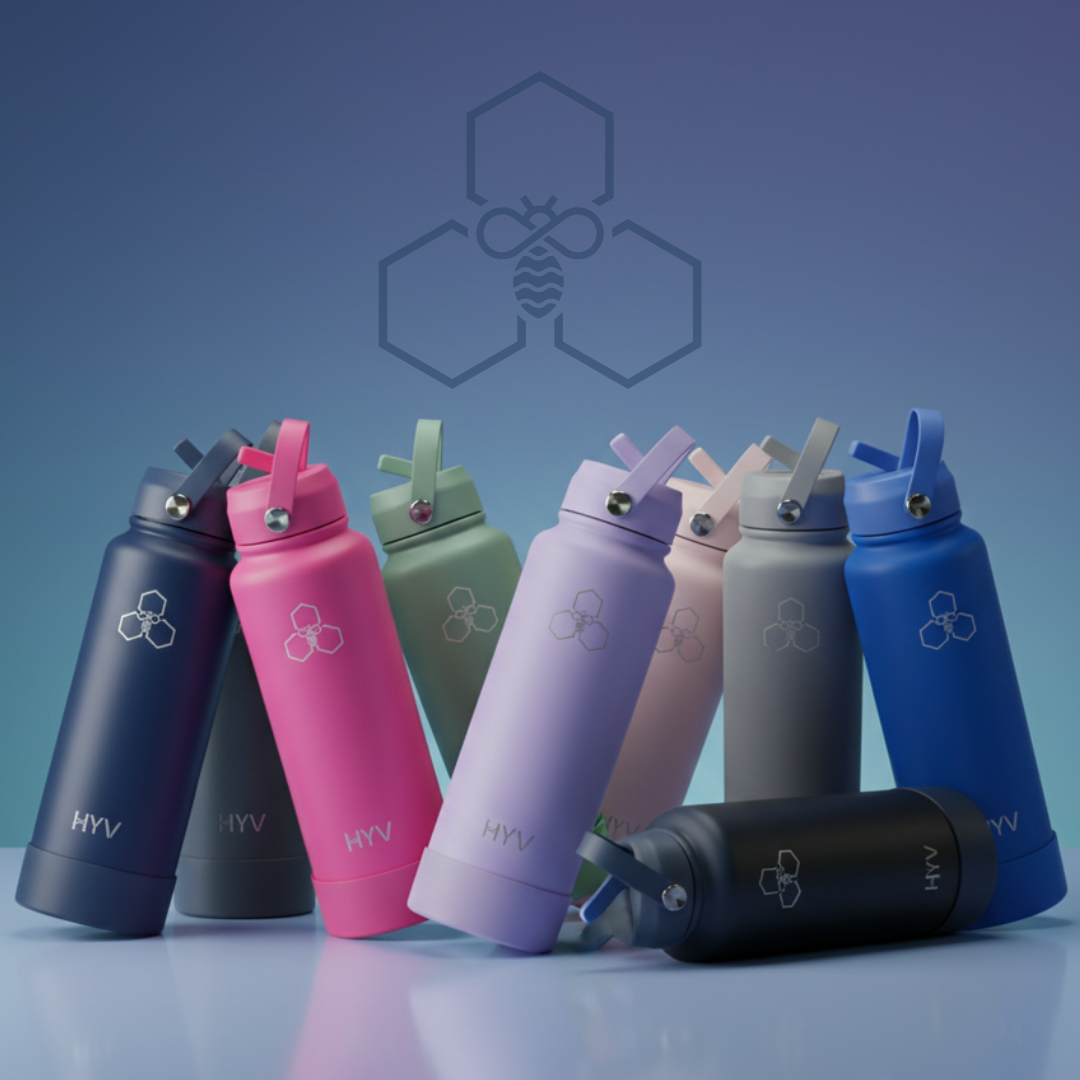

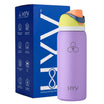
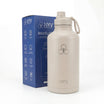
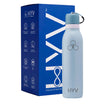

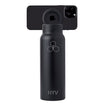
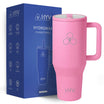
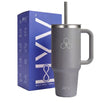
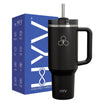
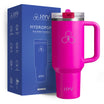
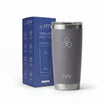
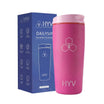
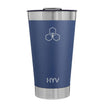
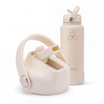


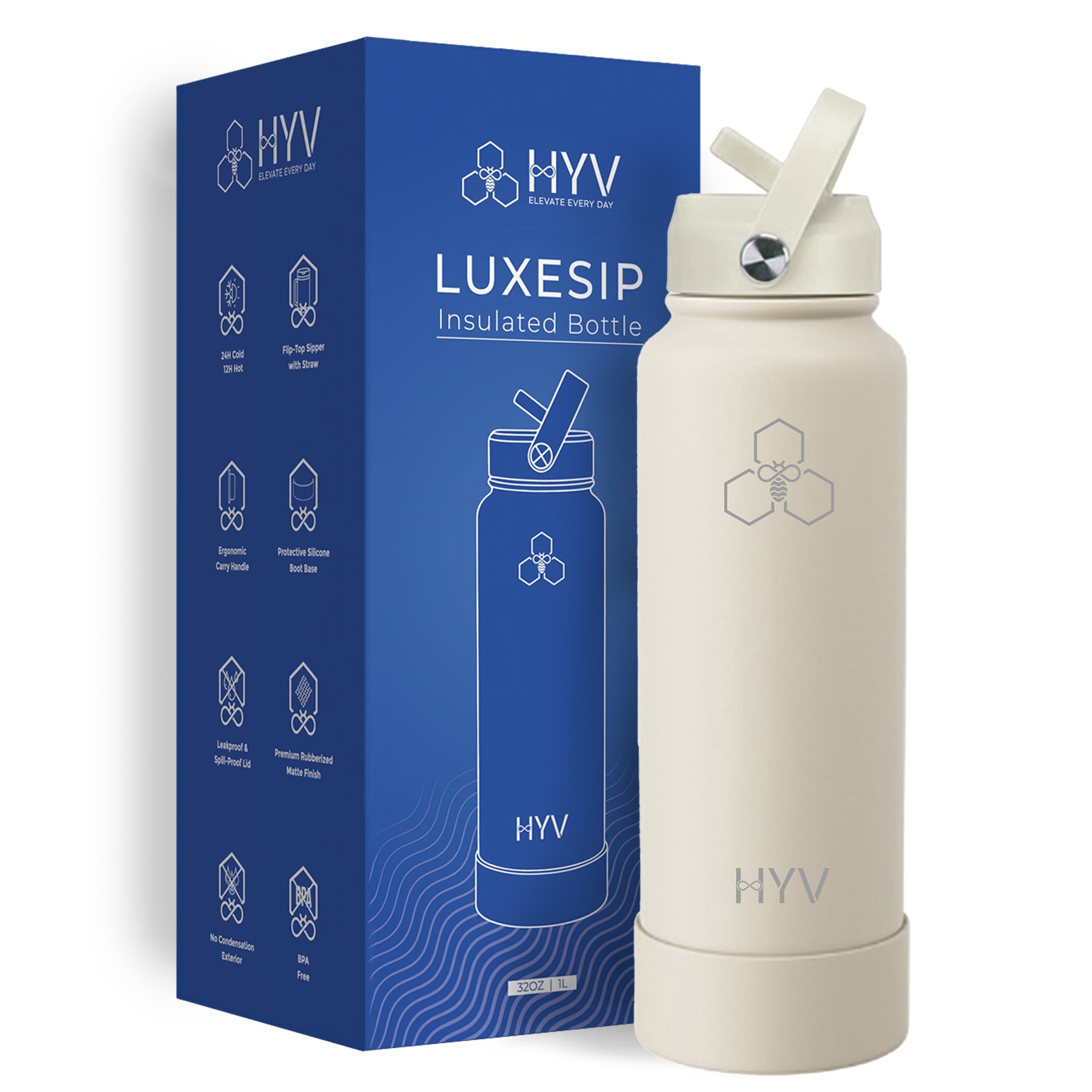
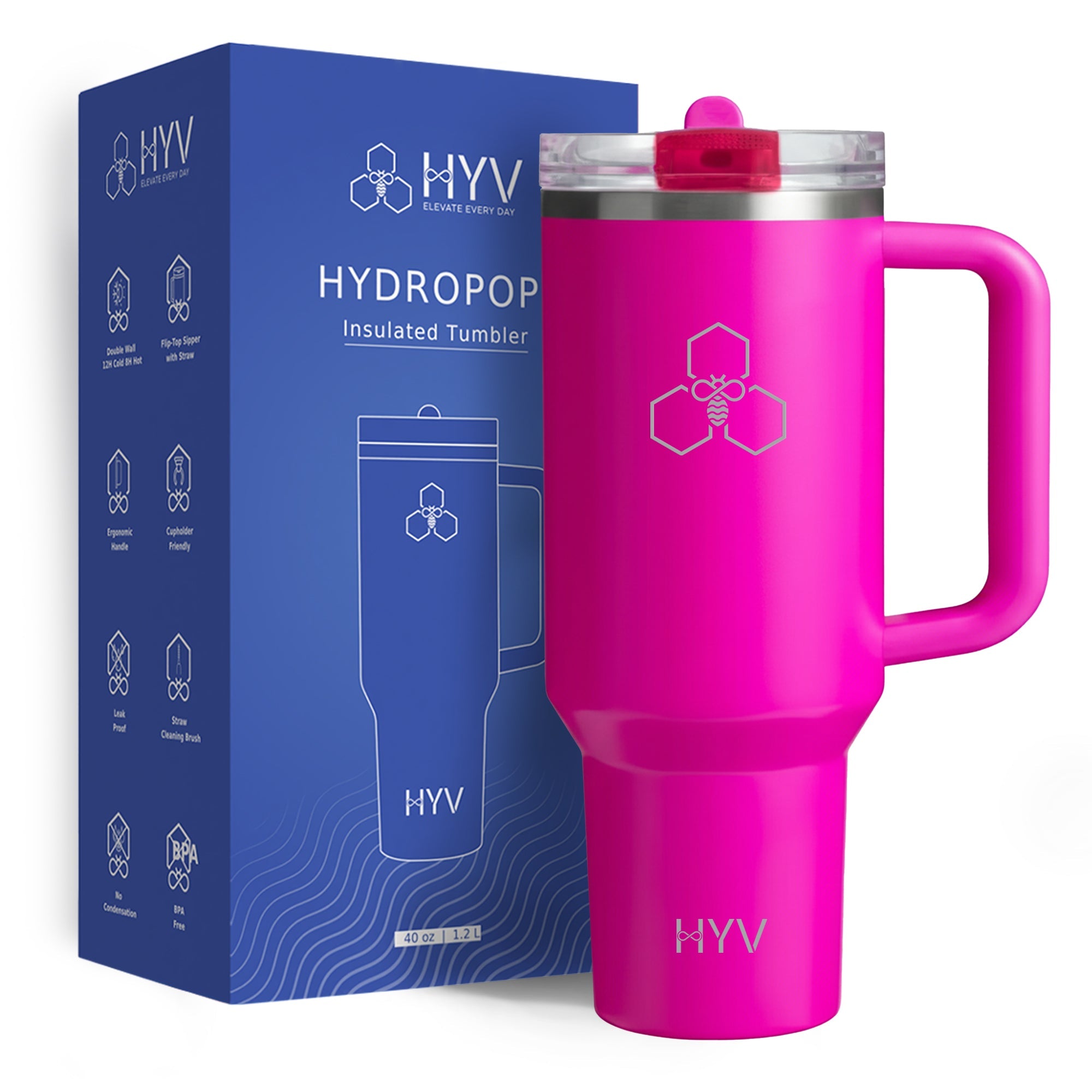
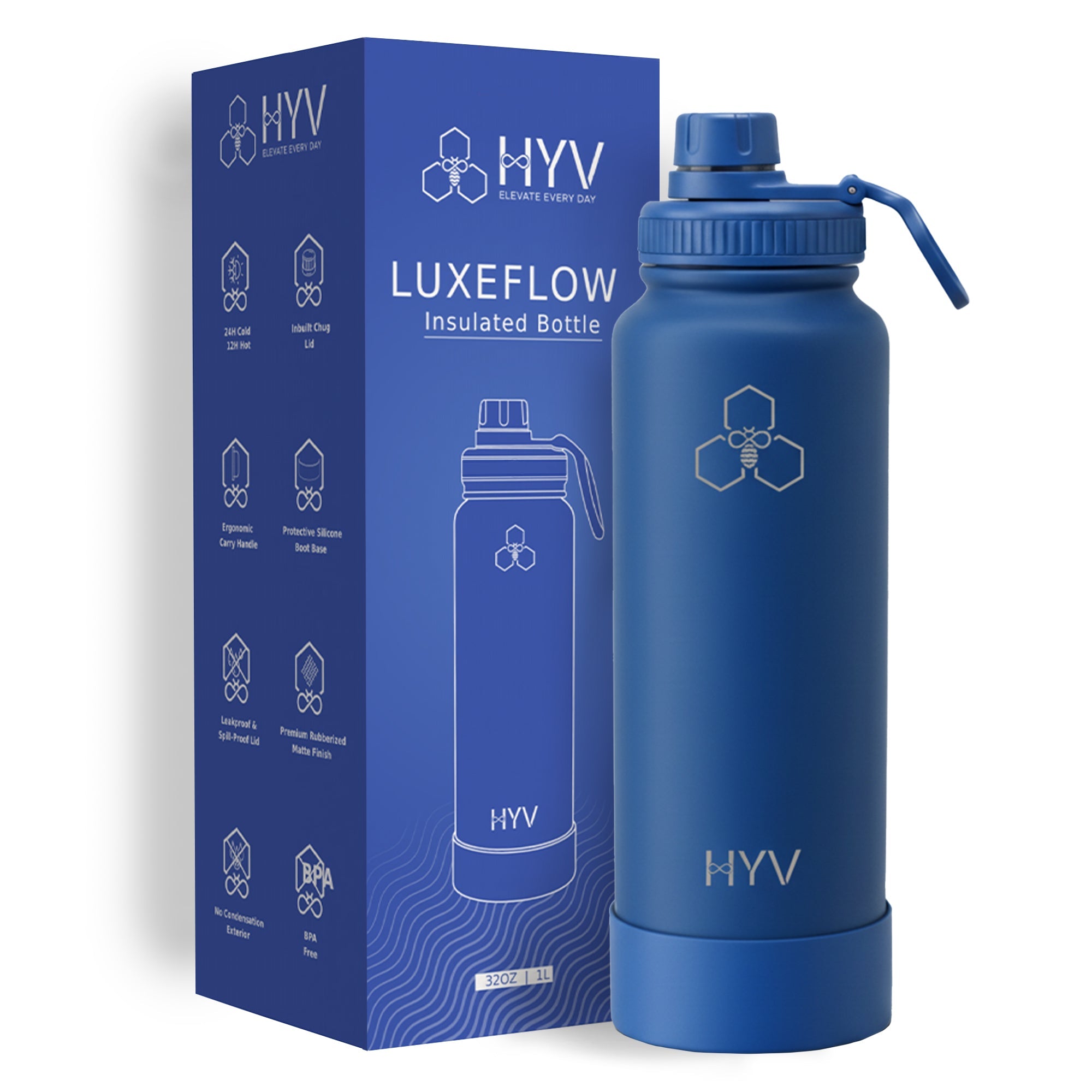
A tumbler in India is a wide-mouth insulated steel drinkware vessel — larger than a bottle (typically 20-40oz / 590-1180ml), designed for both hot and cold beverages, with a lid that includes a sipping straw or spout. The category exploded in India in 2023-2024 after Stanley Quencher 40oz went viral globally. Top India-made tumbler: HYV HydroMax 1.2L tumbler. Top imported: Stanley Quencher (₹4,500-6,000).
Key Facts
- Tumbler = wide-mouth insulated steel drinkware, 20-40oz capacity.
- Distinct from bottle — wider mouth, larger capacity, straw or spout lid.
- Category exploded in India 2023-2024 post-Stanley Quencher virality.
- Top India-made: HYV HydroMax 1.2L tumbler.
HYV picks, with the actual product
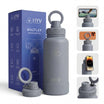
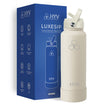
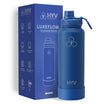
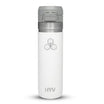
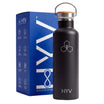
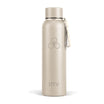
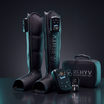
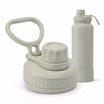
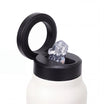
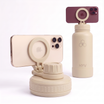
Three models worth looking at for this, photographed as they ship. Prices are the direct price on livehyv.com.


Free shipping on orders over ₹499 · 7-day free replacement for product issues. HYV makes BIS-certified bottles.
What makes a tumbler a tumbler
Three defining features: (1) wide mouth for easy pouring and cleaning, (2) larger capacity than a standard bottle — 590ml minimum, often 1L+, (3) lid with integrated straw or spout for at-desk sipping. Double-wall vacuum insulation is standard.
Tumbler vs bottle — the difference
| Metric | Bottle | Tumbler |
|---|---|---|
| Mouth | Narrow (2-3cm) | Wide (5-8cm) |
| Capacity | 500ml-1L | 590ml-1.18L |
| Lid | Spout, chug, straw | Wide lid with straw |
| Use | On-the-go, sports | Desk, home, commute |
Top tumblers in India 2026
- HYV HydroMax 1.2L tumbler — ₹1,699.
- Stanley Quencher 40oz — ₹4,500-6,000, imported.
- Milton Kool Comrade Tumbler — ₹700, mainstream.
- Boldfit Tumbler — ₹700-1,200. See Boldfit tumbler review.
How to pick a tumbler in India
- Capacity — 30oz for most, 40oz if you sip through the whole day.
- Lid — straw for continuous sip, splash-proof spout for portability.
- Certification — BIS IS 17526:2021 = verified retention.
- Fits in car cup holder? Check base diameter (7-8cm fits most).
The brand-level picture, with prices and what each name is actually good at, is in how the tumbler brands actually rank.
Frequently Asked Questions
What is a tumbler in India?
A wide-mouth insulated steel drinkware vessel (20-40oz) with a straw or spout lid — larger than a bottle, designed for both hot and cold.
Best tumbler in India?
HYV HydroMax 1.2L tumbler (₹1,699) for India premium, Stanley Quencher for imported.
Common buying mistakes
- Trusting an uncertified retention claim. If it is not BIS IS 17526:2021 certified, nobody has measured it.
- Buying "double wall insulated" under ₹400. At that price it is usually single-wall steel inside a plastic shell.
- Accepting "SS" or "food-safe steel" as a specification. The grade is the whole point — look for 304.
- Buying too small. A 500ml bottle for an office day means six refills, and almost nobody completes six.
- Ignoring the lid. A screw cap costs you sip frequency every single day.
- Never replacing the gasket — then replacing the whole bottle instead.
What actually goes wrong over time
Bottles rarely fail all at once. Three things degrade, in rough order of how often they end a bottle's life:
- The gasket. Silicone hardens, stops sealing and holds odour within 6-12 months of daily use. This is the cheapest fix and the most neglected — most bottles that "smell no matter what" have a two-year-old seal.
- The vacuum. Usually from a vertical drop onto the base cracking the seal weld. Silent, invisible, and it halves the bottle's usefulness.
- The finish. Wet paint chips within a year; powder coat survives 3-5. Cosmetic, but it is what makes a bottle feel old.
None of the three is the steel body, which is why buying a bottle on body material alone misses what actually determines lifespan.
Testing whether insulation actually works
Fill with ice water, leave four hours in a warm room, then touch the outside. A working vacuum bottle stays at room temperature and never sweats. Cold or condensation on the outside means the vacuum has failed.
This matters because vacuum failure is silent: the bottle still holds water and looks perfect, but retention drops from about 24 hours to four or six. Worth running inside the return window on anything new.


Leave a comment
This site is protected by hCaptcha and the hCaptcha Privacy Policy and Terms of Service apply.