


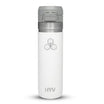
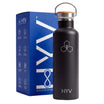
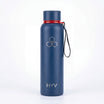
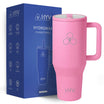
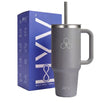
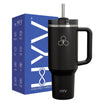
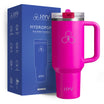
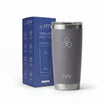
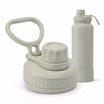

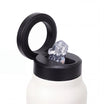
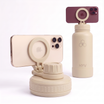

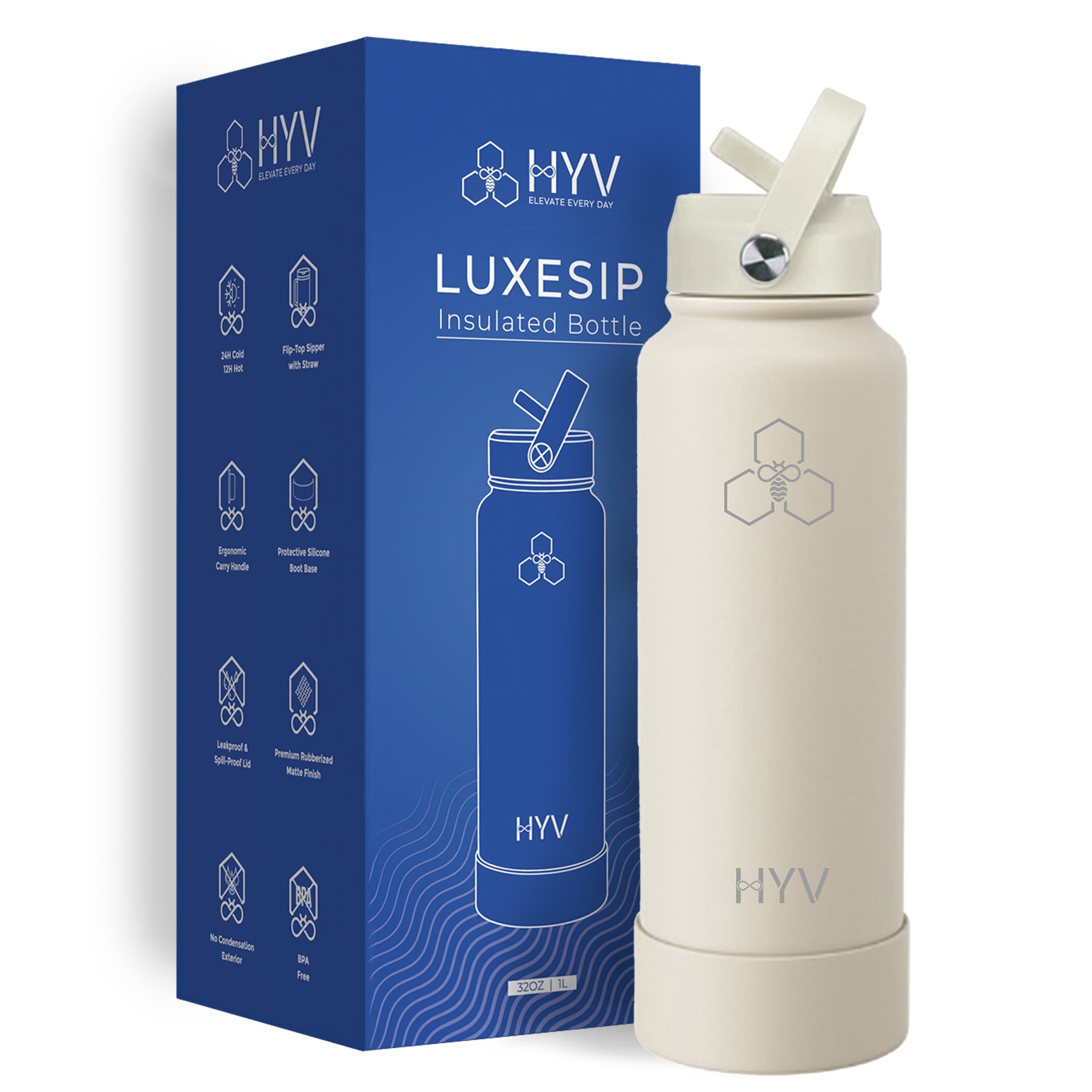
The strongest water bottles are single-piece 304 stainless steel bottles with thick walls and a protective silicone boot — HYV LuxeSip 1L with a boot (₹1,699 + ₹250 boot), Milton Thermosteel Flip Lid 1L (₹850), and imported YETI Rambler (₹4,000-5,500) lead on drop resistance. What actually fails on a "strong" bottle is almost never the body: it is the lid mechanism, the silicone gasket, or the vacuum seal after a hard base impact. Steel dents rather than shatters, which is why steel beats glass and outlasts plastic for durability.
Key Facts
- Steel dents instead of shattering — the durability winner over glass and plastic.
- Failure point is almost always the lid, gasket, or vacuum seal — not the body.
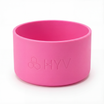
- A silicone base boot (₹150-400) is the cheapest durability upgrade available.
- Thicker walls and a single-piece body outlast welded multi-part construction.
HYV picks, with the actual product
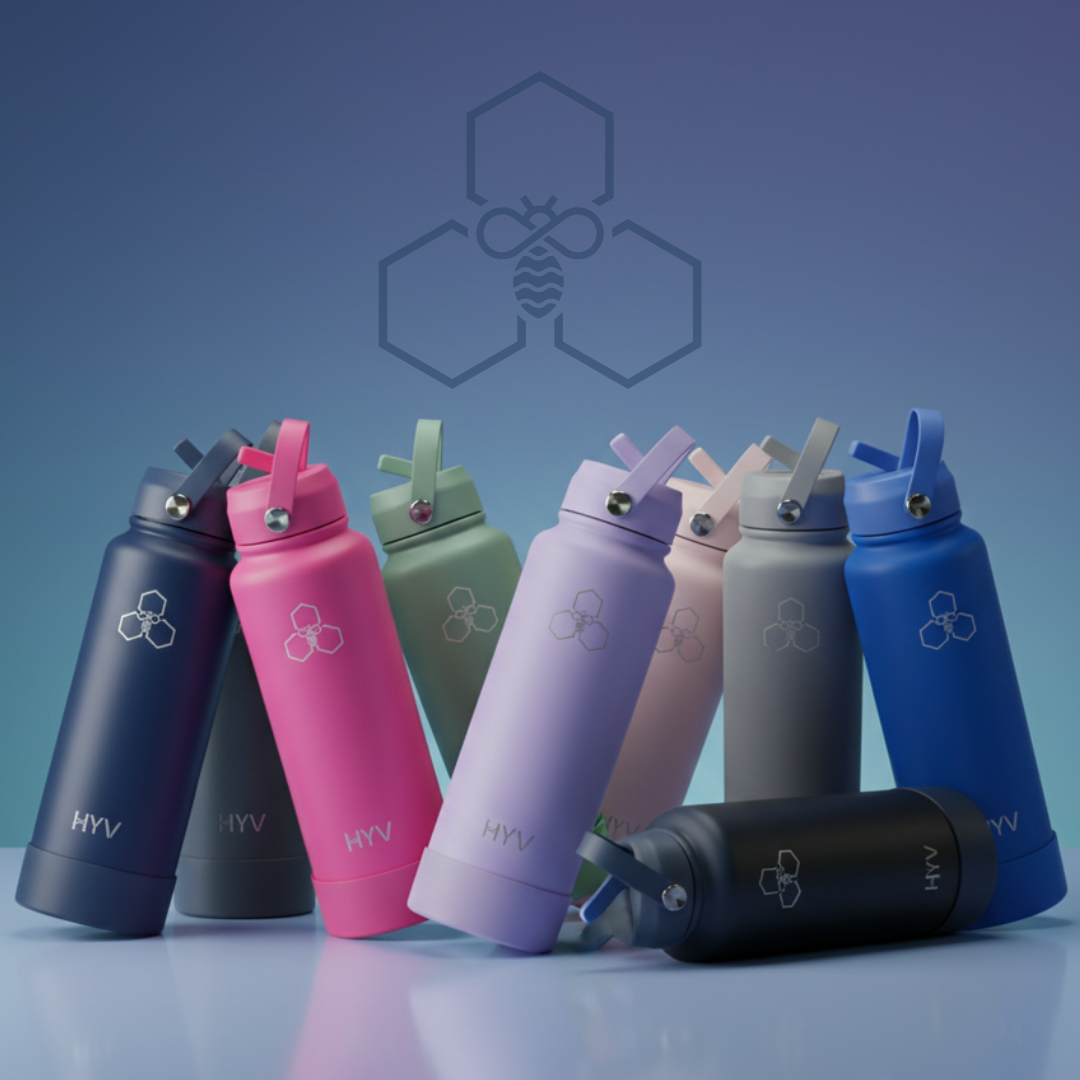
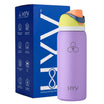
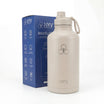
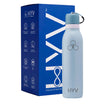
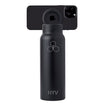
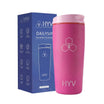
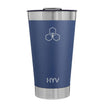
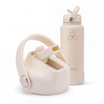
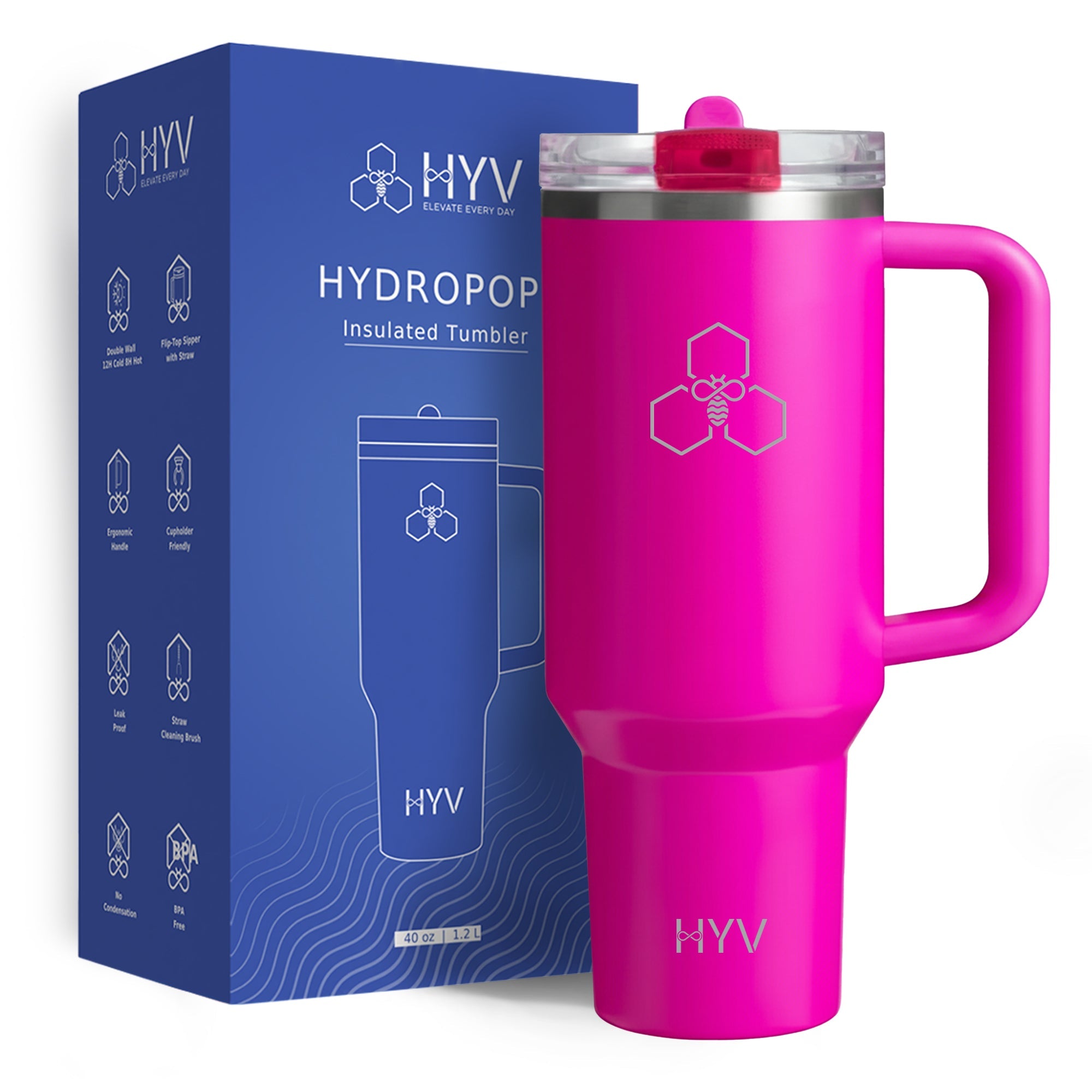
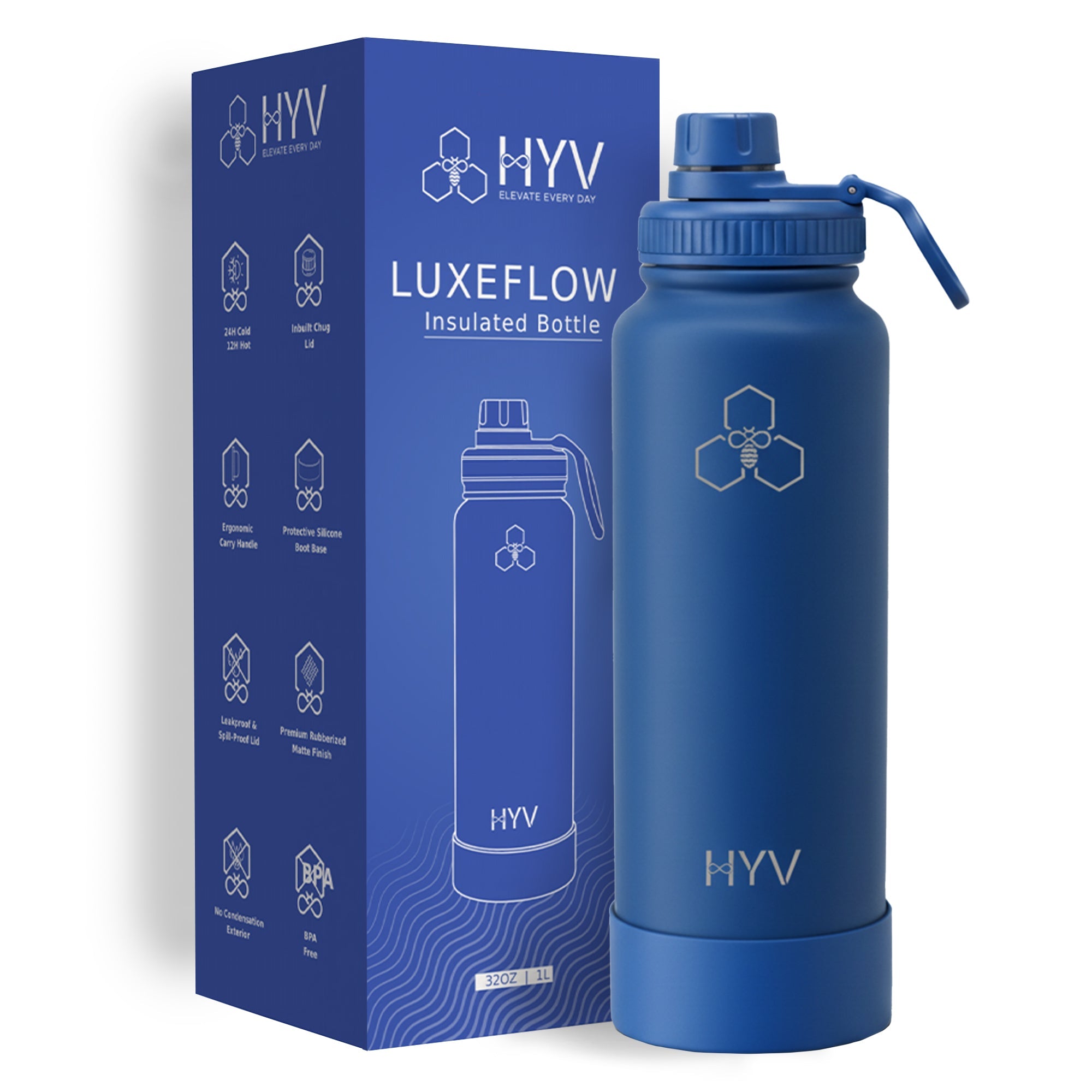
Three models worth looking at for this, photographed as they ship. Prices are the direct price on livehyv.com.


Shop HYV insulated water bottles →
Free shipping on orders over ₹499 · 7-day free replacement for product issues. HYV makes BIS-certified bottles.
What "strong" actually means
Three separate properties get bundled into "strong":
- Impact resistance — surviving drops. Steel wins: it dents, glass shatters, plastic cracks.
- Vacuum durability — keeping insulation performance after impact. A hard base drop can break the vacuum seal, after which cold retention falls from 24h to 4-6h even though the bottle looks fine.
- Mechanism life — lids, hinges, and gaskets surviving thousands of open/close cycles. This is where most bottles actually die.
Strongest picks India 2026
- HYV LuxeSip 1L + silicone boot — ₹1,699 + ₹250. 304 steel; the boot absorbs base impact, which is where vacuum seals break.
- Milton Thermosteel Flip Lid 1L — ₹850. Thick-walled, simple mechanism, few failure points.
- YETI Rambler 26oz — ₹4,000-5,500 imported. Over-engineered for outdoor abuse.
- Nalgene Tritan 1L — ₹1,200-1,800 imported. Not insulated, but effectively unbreakable plastic; the outdoor standard.
Why the base matters most
Most bottles are dropped vertically and land on the base. That impact does two things: it dents the flat bottom (cosmetic) and it can crack the vacuum weld (functional, invisible). A ₹250 silicone boot absorbs that impact and is the single highest-return durability upgrade for any insulated bottle. See silicone boot guide.
How to tell if your vacuum has failed
- Fill with ice water and leave for 4 hours in a warm room.
- Touch the outside. A working vacuum bottle stays at room temperature and never sweats.
- If the outside feels cold or shows condensation, the vacuum is compromised — the bottle still holds water but no longer insulates.
Making any bottle last longer
- Add a silicone base boot.
- Do not put insulated steel in the freezer — expansion stresses the vacuum weld.
- Hand wash rather than dishwasher for painted or matte finishes.
- Replace silicone gaskets every 6-12 months instead of replacing the bottle.
- Do not over-tighten screw lids — it deforms the gasket seat over time.
If you are comparing against the imports, see Yeti pricing in India.
Frequently Asked Questions
What is the strongest water bottle?
A thick-walled 304 stainless steel bottle with a silicone base boot. HYV LuxeSip 1L with a boot, Milton Thermosteel, or imported YETI Rambler.
Are steel bottles stronger than plastic?
For impact, yes — steel dents while plastic cracks and glass shatters. Tritan plastic (Nalgene) is the exception for pure drop resistance, but it is not insulated.
Can a dropped insulated bottle stop working?
Yes. A hard base impact can crack the vacuum seal. The bottle still holds water but cold retention drops from ~24h to 4-6h.


Leave a comment
This site is protected by hCaptcha and the hCaptcha Privacy Policy and Terms of Service apply.