






A mud water bottle is an unglazed terracotta clay bottle that cools water naturally through evaporation — water seeps microscopically through the porous clay wall, evaporates from the surface, and draws heat out, dropping the temperature 4-8°C below ambient. India price: ₹250-900. It also mildly alkalises water and adds a distinctive earthy taste many people prefer. Trade-offs: fragile, needs daily rinsing and periodic sun-drying, cannot be sealed leak-proof, and takes 3-4 hours to cool. It is a home vessel, not a commuter bottle.
Key Facts
- Unglazed terracotta cools water 4-8°C below ambient via evaporation.
- India price: ₹250-900.
- Takes 3-4 hours to reach cooling temperature.
- Fragile, not leak-proof — a home vessel, not for carrying.
HYV picks, with the actual product
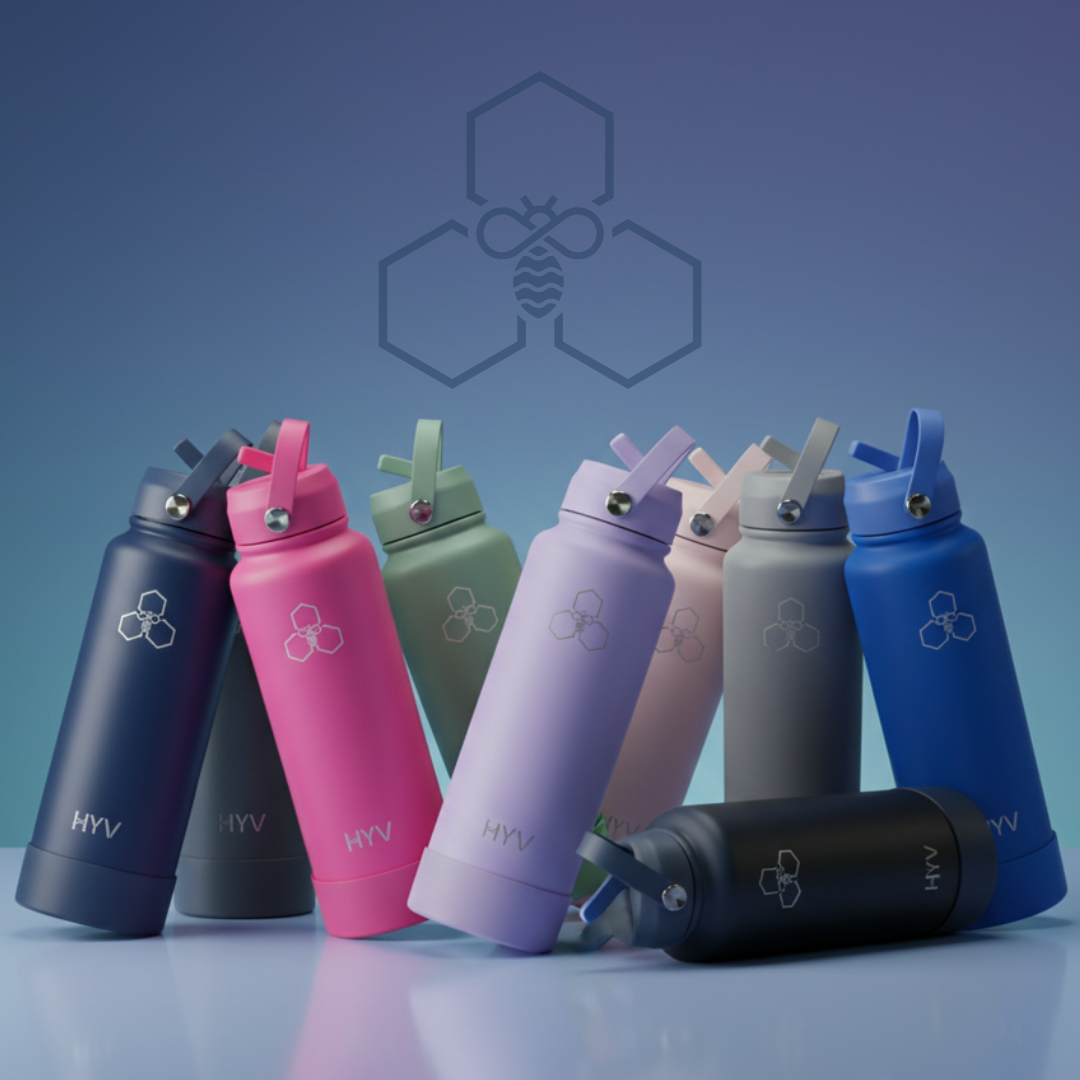
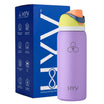
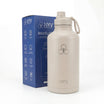
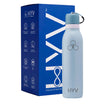
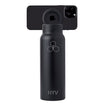
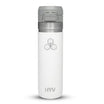
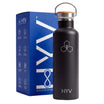
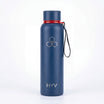
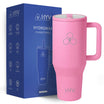
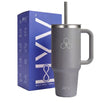
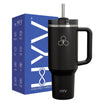
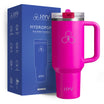
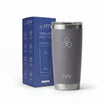
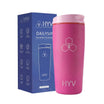
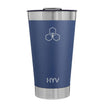
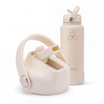
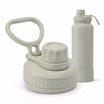
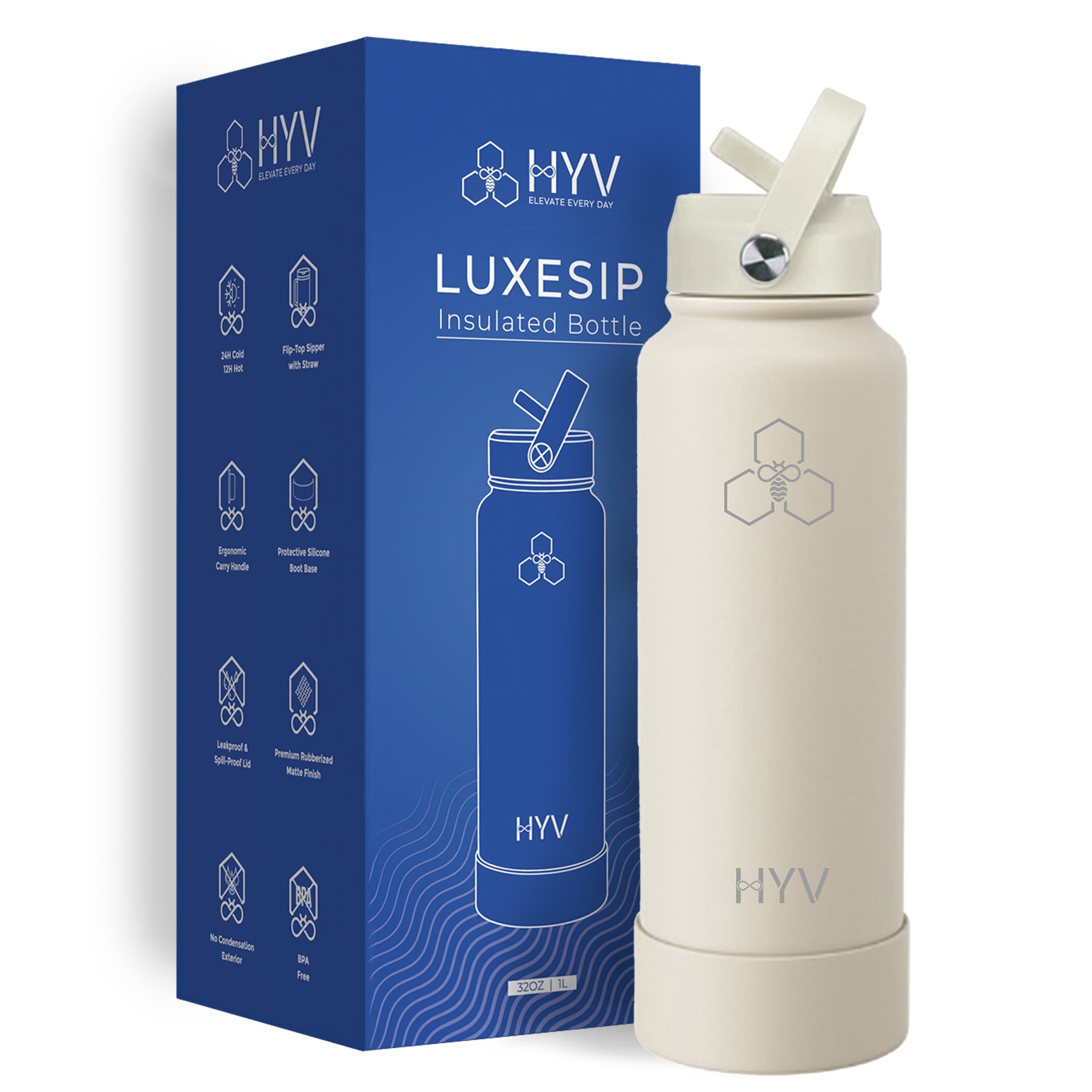
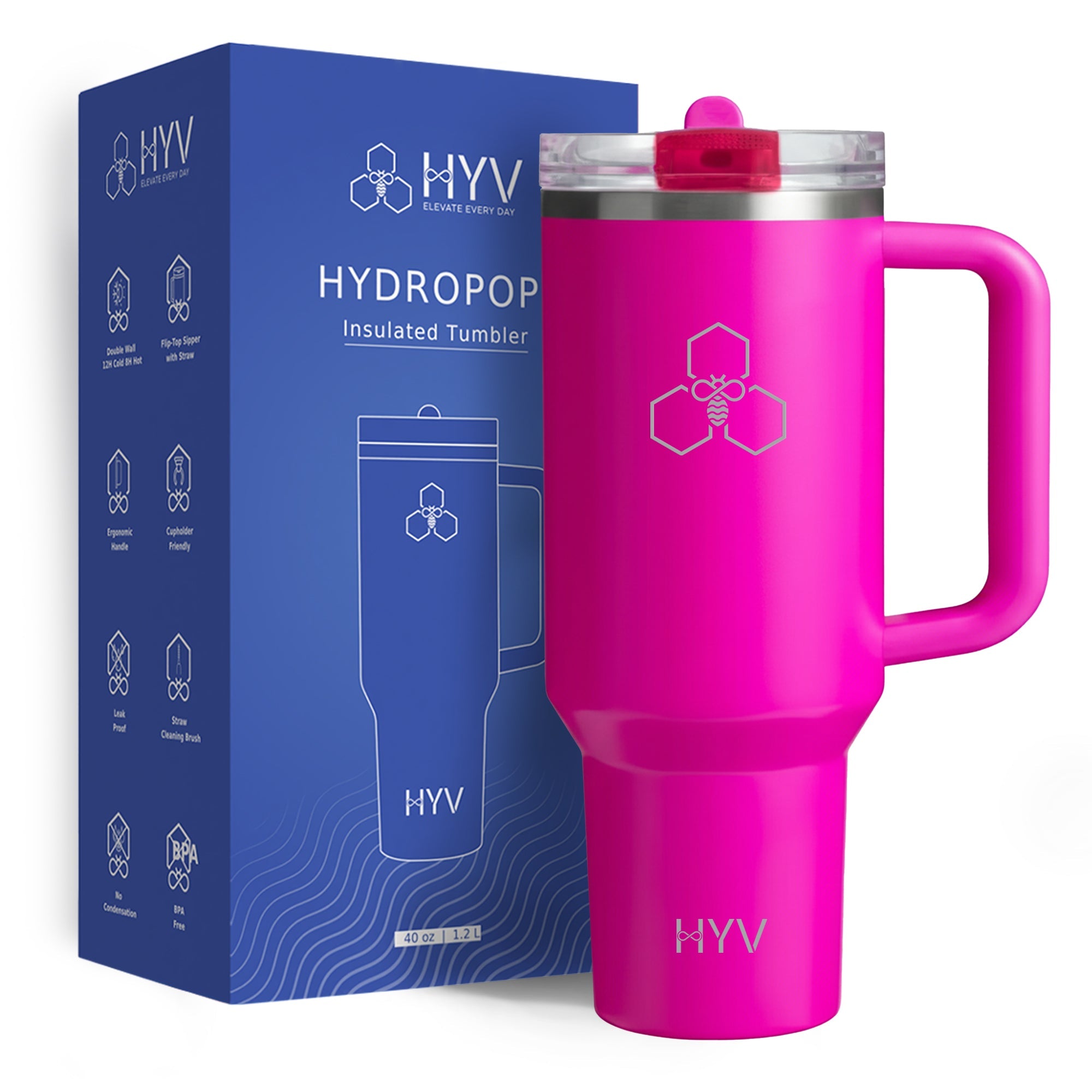
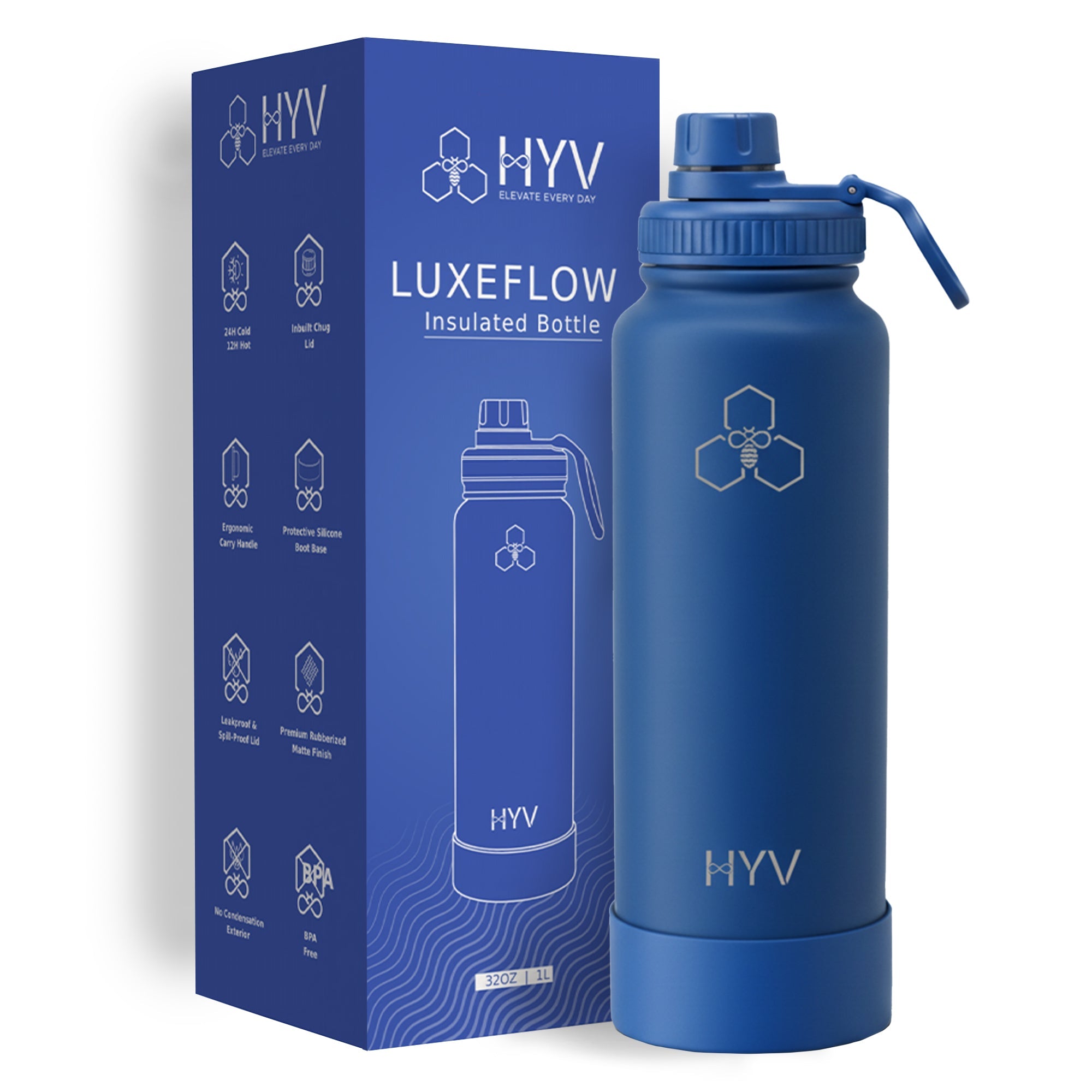
Three models worth looking at for this, photographed as they ship. Prices are the direct price on livehyv.com.


Shop HYV insulated water bottles →
Free shipping on orders over ₹499 · 7-day free replacement for product issues. HYV makes BIS-certified bottles.
How clay cooling actually works
Unglazed terracotta is microscopically porous. Water seeps slowly to the outer surface and evaporates. Evaporation absorbs latent heat, and that heat is pulled from the water still inside. The effect is the same physics as a matka or surahi, and it works best in dry heat — a Delhi summer at low humidity gives a much bigger drop than a coastal Mumbai monsoon.
Expect 4-8°C below ambient. In a 38°C room that is roughly 30-34°C water — cool, not cold. It will not match an insulated steel bottle holding 8-12°C.
The health claims, examined
- Mild alkalinity — clay is slightly alkaline and does raise water pH marginally. Whether that matters for health is not well established; the body regulates blood pH tightly regardless of what you drink.
- Trace minerals — clay contributes small amounts of minerals. Amounts are nutritionally negligible.
- Gentler than refrigerated water — this one has practical merit. Water at 30-33°C is easier on the throat than 5°C fridge water, which matters if you are prone to throat irritation.
- Claims about curing acidity or boosting metabolism — not supported by evidence. Treat them as folklore.
Care — the part that decides whether you keep using it
- Rinse daily with plain water. Do not use soap — porous clay absorbs detergent and then releases it into your water.
- Scrub weekly with a soft brush and plain water only.
- Sun-dry for 2-3 hours every week or two to prevent mustiness.
- Replace annually — clay gradually clogs with mineral deposits and stops breathing.
- Never refrigerate or freeze — thermal shock cracks terracotta.
Where to buy in India
- Local potters and weekly markets — cheapest and often best quality, ₹150-400.
- Amazon India / Flipkart — ₹300-900, search "clay water bottle" or "terracotta bottle".
- Craft retailers — Fabindia, Ellementry, and similar carry designed terracotta drinkware at ₹600-1,500.
Look for genuinely unglazed clay. A glazed bottle is sealed and loses the entire cooling effect — it is just a heavy ceramic vessel.
What it is not good for
Carrying. Clay bottles are heavy, fragile, and cannot be sealed leak-proof. For a bag, gym, car, or travel, you need insulated steel. A reasonable setup is a clay bottle at home for daytime drinking and a BIS-certified insulated steel bottle for everything outside it. See best insulated water bottles India 2026.
Frequently Asked Questions
How does a mud water bottle cool water?
Water seeps through the porous unglazed clay and evaporates from the outer surface. Evaporation draws heat out, dropping the water 4-8°C below ambient.
Is clay water bottle good for health?
It mildly alkalises water and gives gentler-temperature water than a fridge. Claims about curing acidity or boosting metabolism are not evidence-supported.
How do you clean a clay water bottle?
Rinse daily with plain water only — never soap, which the porous clay absorbs. Scrub weekly with a soft brush and sun-dry every week or two.


Leave a comment
This site is protected by hCaptcha and the hCaptcha Privacy Policy and Terms of Service apply.