
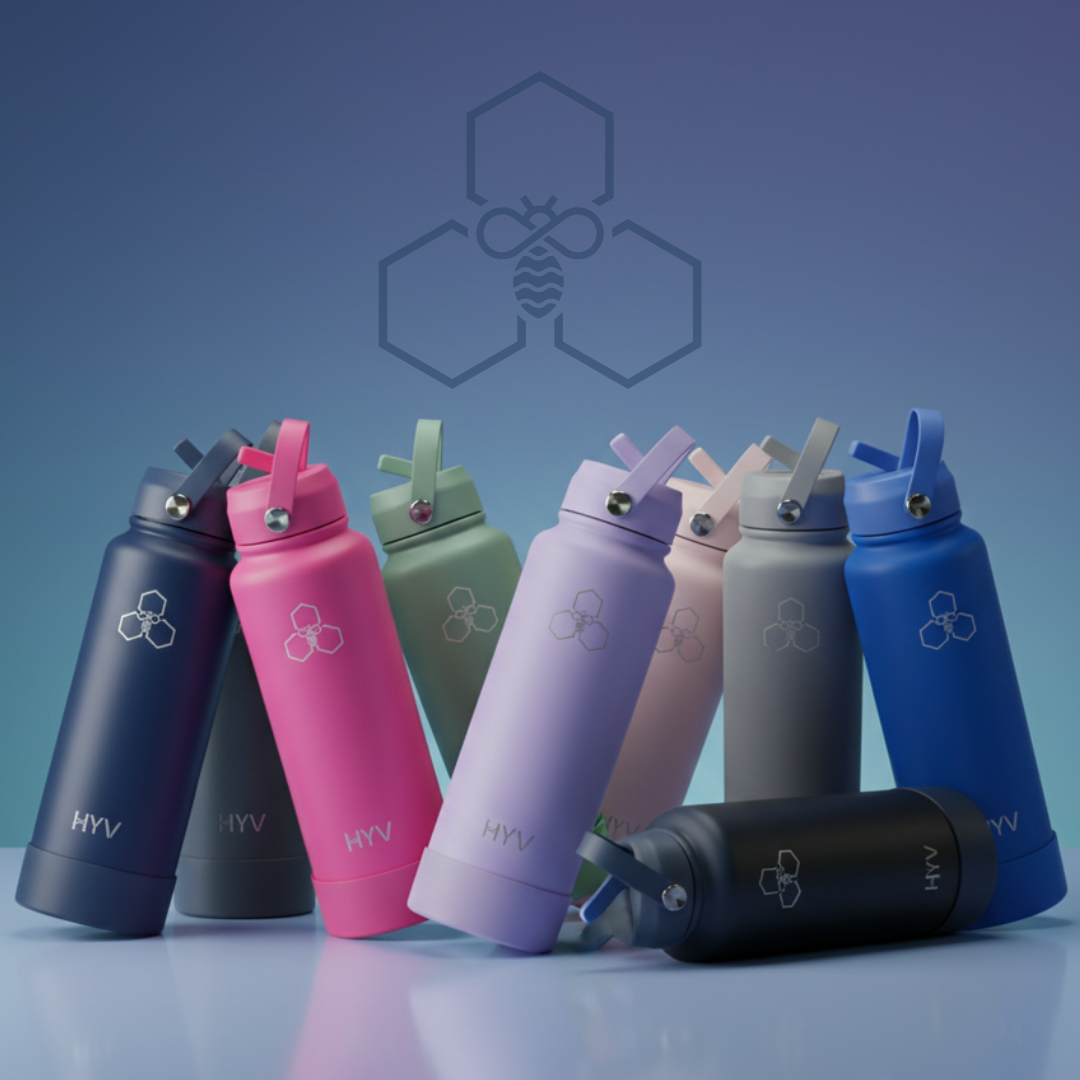

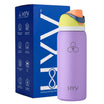
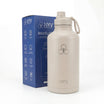
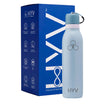

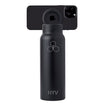
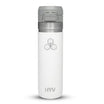
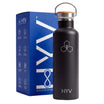
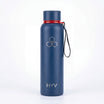
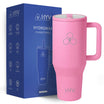
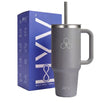
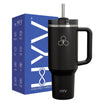
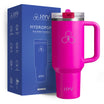
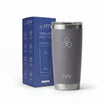
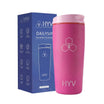
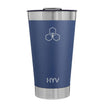
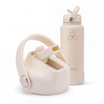
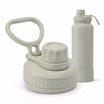

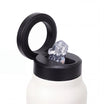


A magnetic water bottle has a magnet embedded in the lid or base that docks the bottle to a fridge, gym locker, or metallic surface. The primary India option is the HYV MagFlex 1L (₹1,899) — double-wall vacuum-insulated steel with a neodymium magnet in the lid. The magnet is enclosed in food-safe plastic, does not contact water, and is safe for daily use. The dock feature keeps countertops dry post-workout.
Key Facts
- Magnetic bottle has a magnet in the lid or base for docking to metallic surfaces.
- HYV MagFlex is the primary India option, ₹1,899.
- Neodymium magnet enclosed in food-safe plastic; no water contact.
- Safe for daily use — magnets are not ingested or exposed.
The HYV range compared
Every model, its lid, and what it costs — so you can compare without opening ten tabs:
| Model | Capacity | Lid | Price |
|---|---|---|---|
| HYV CoreFlow | 750ml | Screw sip | ₹899 |
| HYV SlimPro | 750ml | Steel lid + handle | ₹999 |
| HYV FlipFlow | 750ml | Quick-flip | ₹999 |
| HYV DualFlow Slim | 750ml | 2-in-1 chug & sipper | ₹1,299 |
| HYV SnapSip | 750ml | Magnetic (MagSafe) | ₹1,499 |
| HYV DualFlow | 750ml | 2-in-1 chug & sipper | ₹1,499 |
| HYV DualFlow | 1 L | 2-in-1 chug & sipper | ₹1,699 |
| HYV LuxeFlow | 1 L | Wide-mouth chug | ₹1,699 |
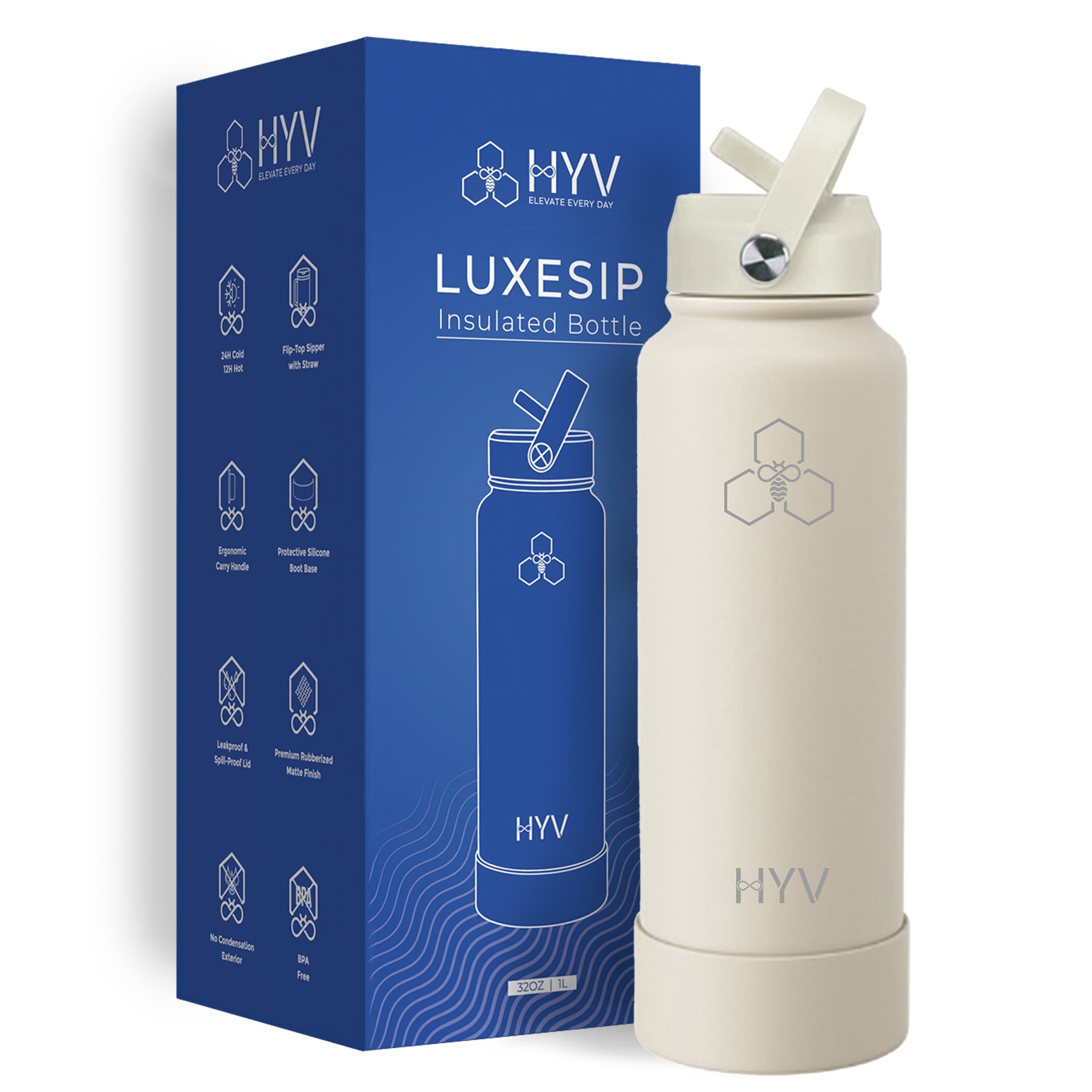
| HYV LuxeSip | 1 L | Flip-top sipper | ₹1,699 |
| HYV MagFlex 1L | 1L | Magnetic (MagSafe) | ₹1,899 |
| HYV MaxFlow | 2 L | Wide mouth | ₹2,499 |
HYV makes BIS-certified bottles.
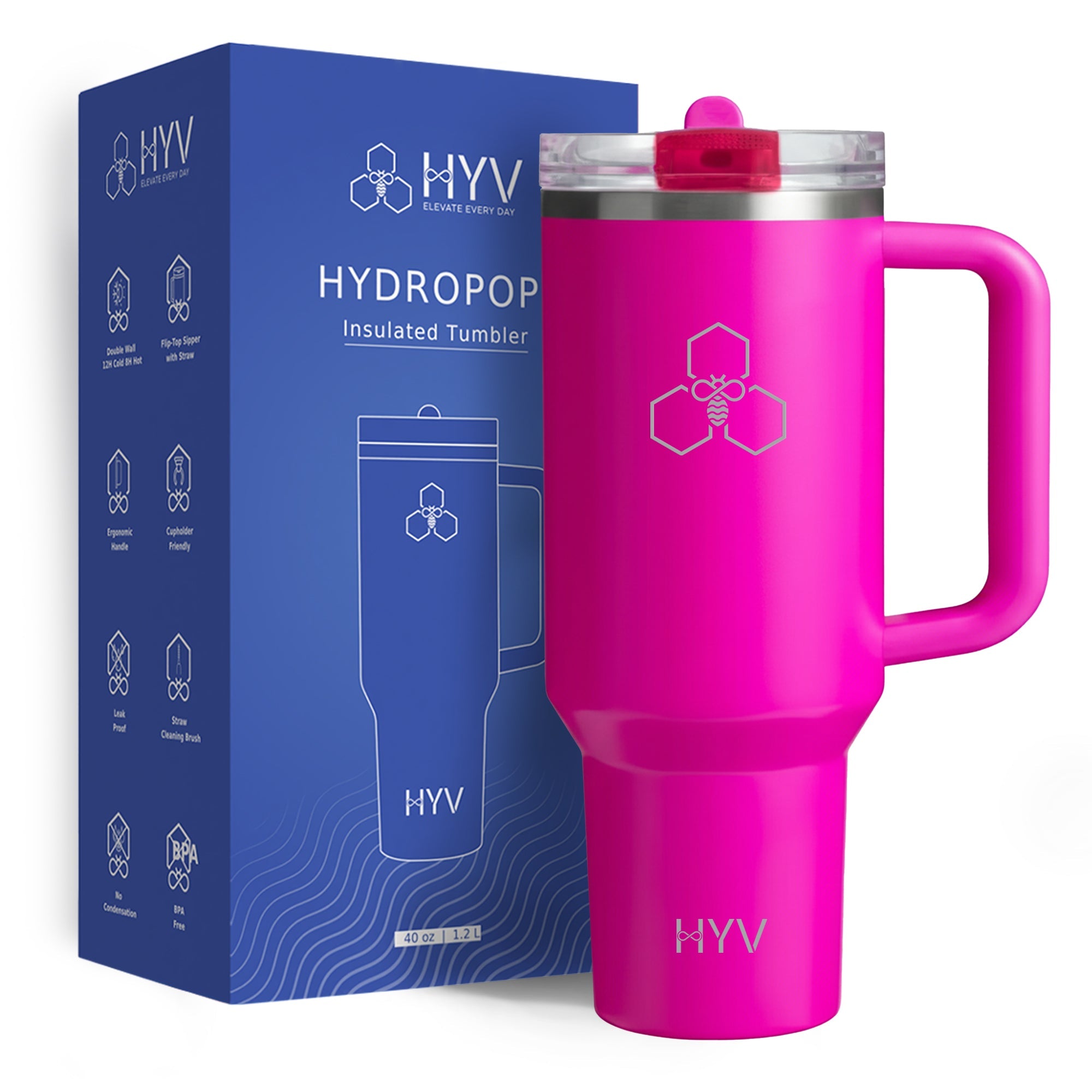
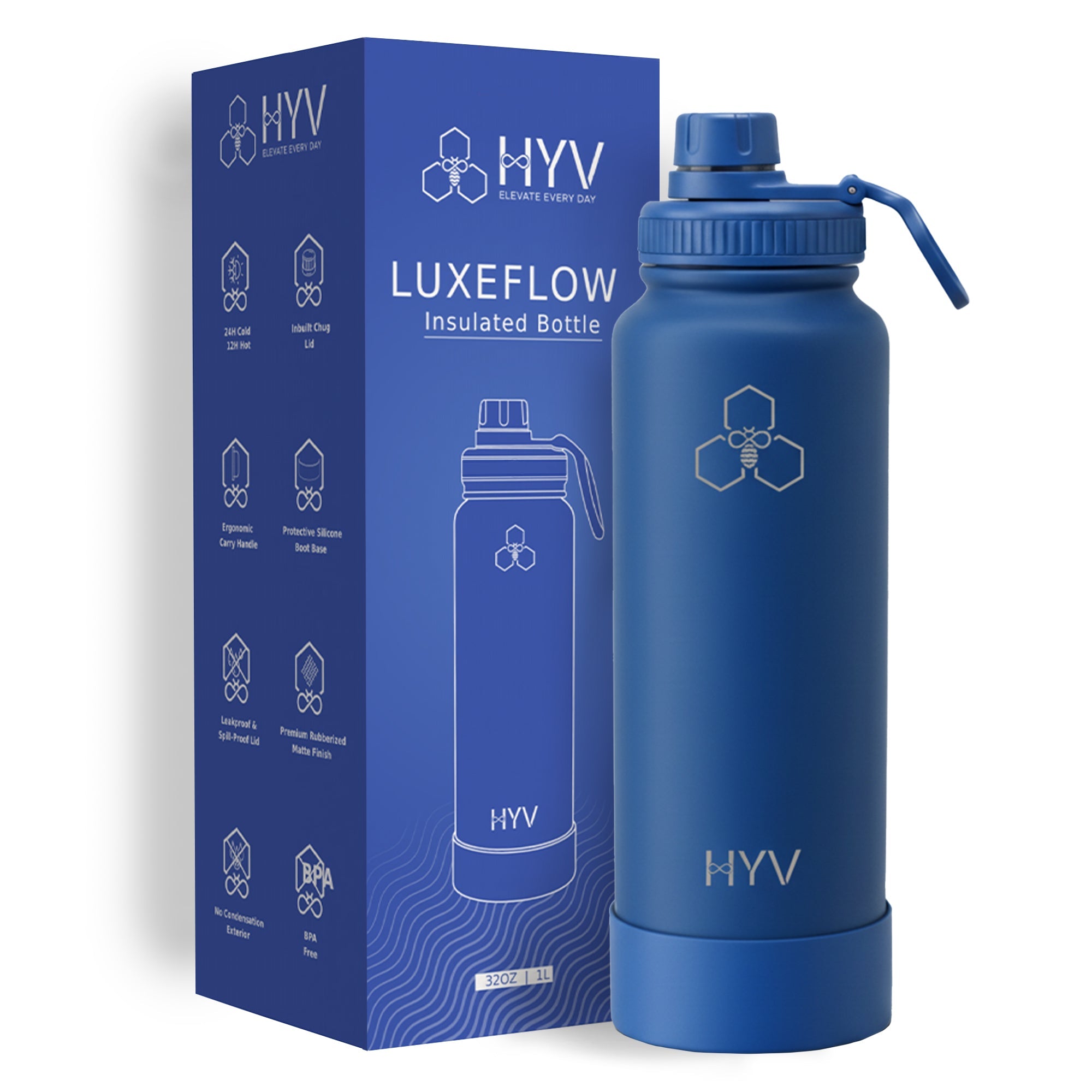
HYV picks, with the actual product
Three models worth looking at for this, photographed as they ship. Prices are the direct price on livehyv.com.


Free shipping on orders over ₹499 · 7-day free replacement for product issues. HYV makes BIS-certified bottles.
What "magnetic water bottle" means
A bottle with a rare-earth (neodymium) magnet built into the lid or base. Docks to fridges, gym lockers, workshop cabinets, car dashboards (with metal insert). The magnet is enclosed in food-safe plastic; the water-contact surface stays stainless steel.
How the HYV MagFlex works
Neodymium disc magnet in the lid. Docks to any ferrous metal — fridge door, gym rack, refrigerator side. Prevents post-workout countertop puddles (dock it to the fridge instead of leaving it on the counter). Prevents cabinet clutter (dock it to a metal cupboard). The lid pops off normally; magnet doesn't affect sealing.
Is a magnetic bottle safe?
Yes. The magnet is enclosed in food-safe plastic — no water contact, no leaching. Neodymium magnets are inert. Not recommended for people with pacemakers (magnet field could interfere), but no consumer safety concerns otherwise.
Buy the MagFlex
See HYV MagFlex product page and MagFlex review.
Frequently Asked Questions
What is a magnetic water bottle?
A bottle with a magnet in the lid or base that docks to metallic surfaces like fridges and gym lockers.
Is a magnetic water bottle safe?
Yes. The magnet is enclosed in food-safe plastic and doesn't contact water. Only avoid if you have a pacemaker.
Best magnetic water bottle in India?
The HYV MagFlex 1L (₹1,899), insulated steel. The 750 ml MagSafe option is the SnapSip, from ₹1,499.
Common buying mistakes
- Trusting an uncertified retention claim. If it is not BIS IS 17526:2021 certified, nobody has measured it.
- Buying "double wall insulated" under ₹400. At that price it is usually single-wall steel inside a plastic shell.
- Accepting "SS" or "food-safe steel" as a specification. The grade is the whole point — look for 304.
- Buying too small. A 500ml bottle for an office day means six refills, and almost nobody completes six.
- Ignoring the lid. A screw cap costs you sip frequency every single day.
- Never replacing the gasket — then replacing the whole bottle instead.
Care that decides whether it lasts five years or one
- Rinse daily with hot water; do not leave water standing for days.
- Wash weekly with dish soap and a bottle brush — plus a straw brush if it has a straw, which is the step people skip and then wonder about the smell.
- Deep clean monthly — two tablespoons of baking soda in warm water, 30 minutes, then a white vinegar rinse for odour.
- Replace gaskets and straws every 6-12 months. A ₹100 seal saves a ₹1,900 bottle.
- Never freeze an insulated steel bottle — water expands about 9% and can crack the seal weld, permanently destroying the insulation.
- Add a silicone base boot. Most vacuum failures start with a vertical drop onto the base.
How the insulation actually works
Heat moves three ways, and a vacuum bottle blocks each differently. Conduction and convection both need molecules to carry heat — removing the air between the two steel walls eliminates both. Radiation needs no medium, so a reflective copper coating on the outer face of the inner wall bounces it back.
What remains is a slow leak at the neck, where the walls must physically join, and through the lid, which contains no vacuum at all. That is why two bottles with identical vacuum quality can differ by hours: the lid is usually the weakest thermal link.
It also explains three habits that measurably change results: pre-chill or pre-heat the empty bottle for a minute before filling, fill to the top so there is less air inside to convect heat, and keep the lid closed — most heat gain happens at the open neck.


Leave a comment
This site is protected by hCaptcha and the hCaptcha Privacy Policy and Terms of Service apply.