
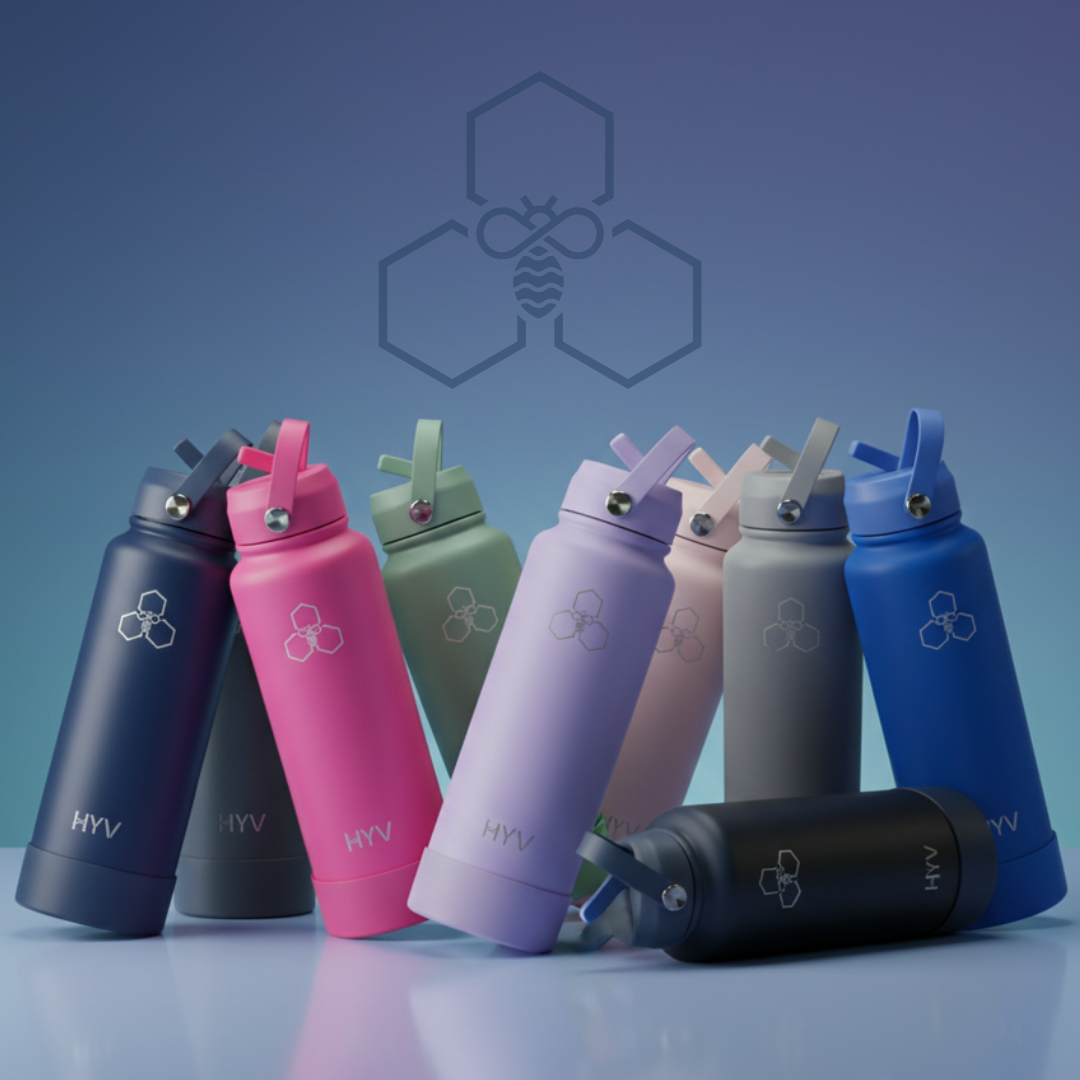

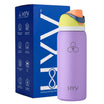
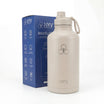
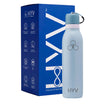

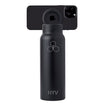
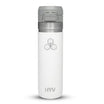
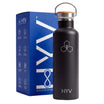
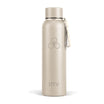
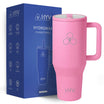
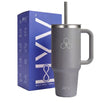
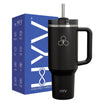
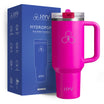
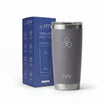




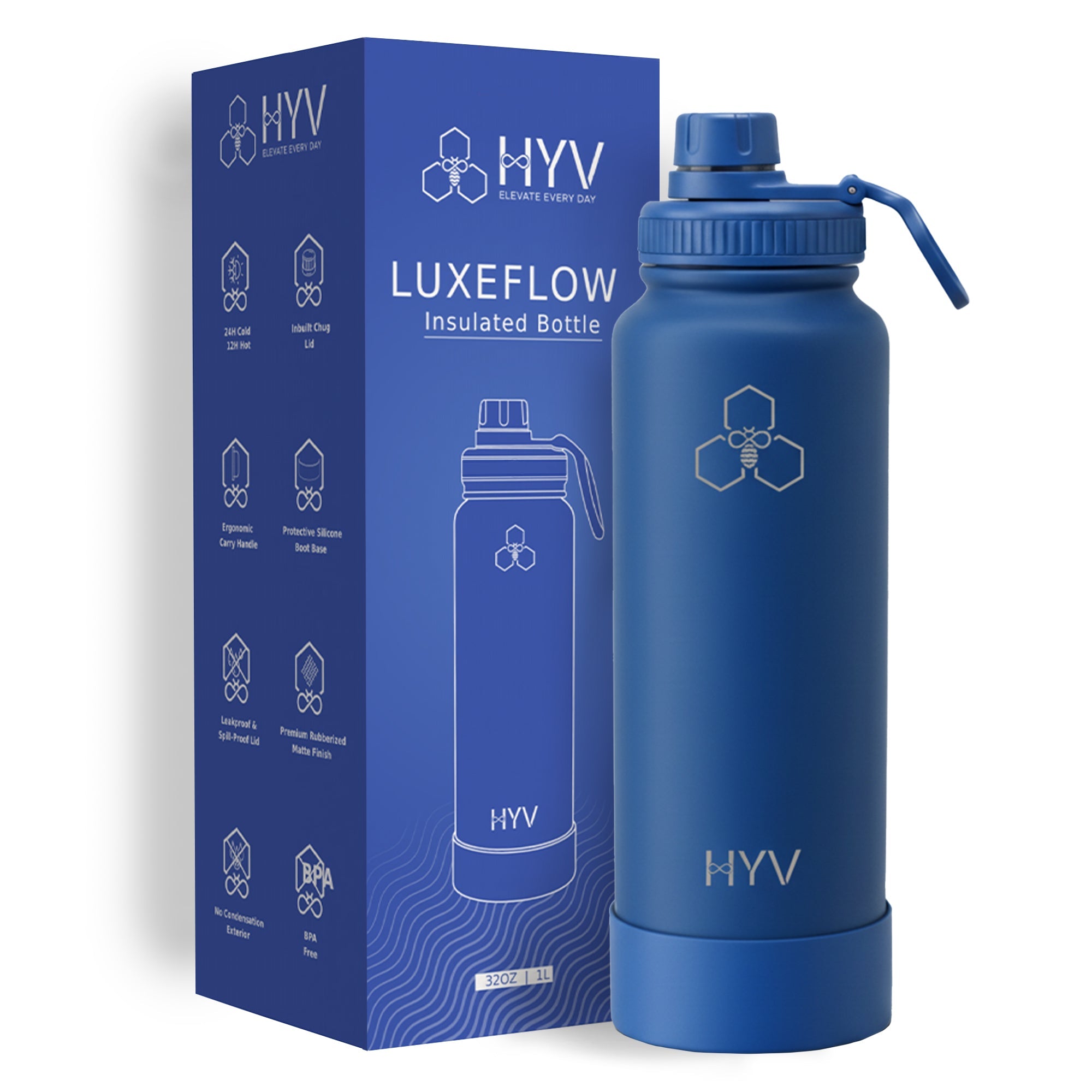
HYV online is available directly at livehyv.com — the official direct-to-consumer store for HYV, an Indian premium insulated drinkware brand. The full range (LuxeSip, MagFlex, DualFlow, tumblers, gifting sets) ships across India in 3-5 days, free above ₹499. HYV is not sold on Amazon India, Flipkart, or Myntra — buying direct at livehyv.com is the only way to guarantee authentic, warrantied HYV products.
Key Facts
- HYV official online store: livehyv.com.
- Full range direct-to-consumer, ships 3-5 days across India.
- Free shipping above ₹499.
- Not sold on Amazon India, Flipkart, or Myntra.
HYV picks, with the actual product
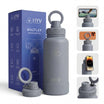
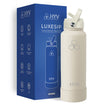
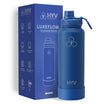
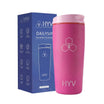
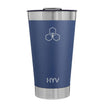
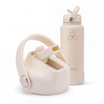
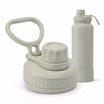
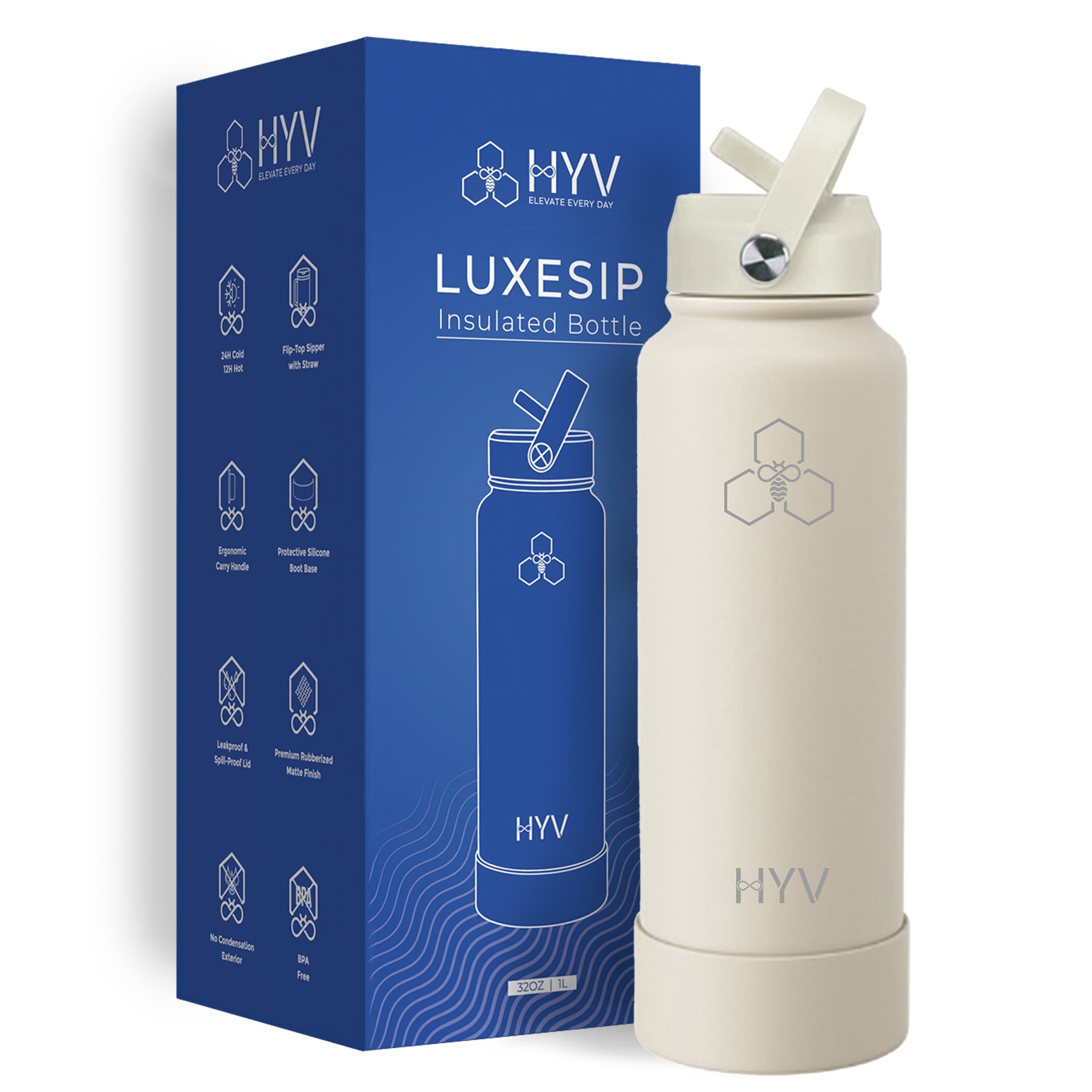
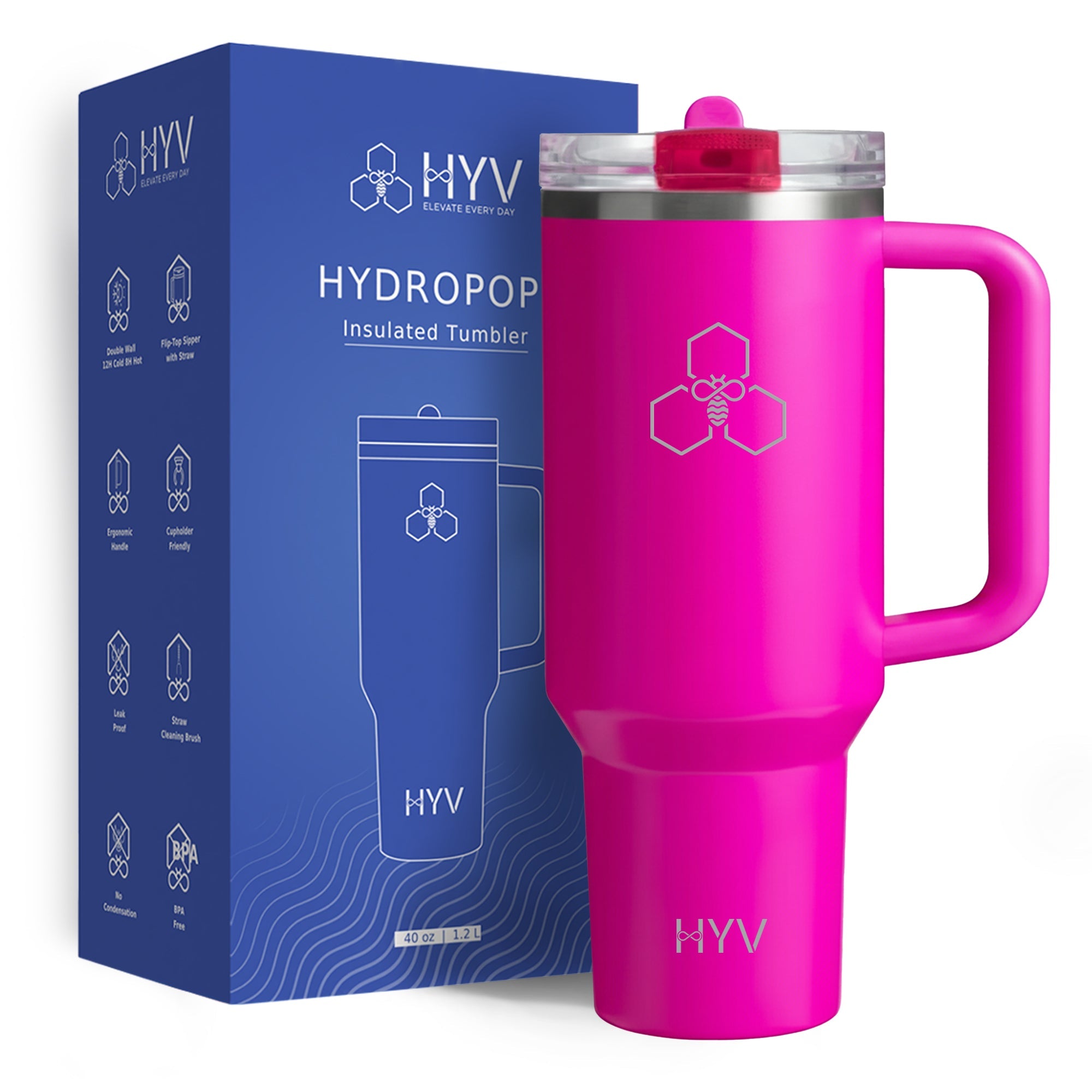
Three models worth looking at for this, photographed as they ship. Prices are the direct price on livehyv.com.


Free shipping on orders over ₹499 · 7-day free replacement for product issues. HYV makes BIS-certified bottles.
Where to buy HYV online
Only at livehyv.com — the official direct-to-consumer store. HYV is not listed on Amazon India, Flipkart, Myntra, or any other marketplace. Any listing of HYV products on marketplaces is either grey-market or counterfeit.
The HYV range online
- HYV LuxeSip — 1L insulated with a flip-top sipper lid. ₹1,699.
- HYV MagFlex — 1L with a MagSafe-compatible magnetic lid. ₹1,899.
- HYV DualFlow — 750ml 2-in-1 lid slim profile. ₹1,699.
- Tumblers, kids' bottles, gifting sets.
Why buy direct from livehyv.com
- Guaranteed authentic product with BIS certification.
- Full HYV warranty support.
- Free shipping above ₹499.
- Direct pricing without marketplace markup.
- Latest colour drops and new SKUs land on livehyv.com first.
Corporate + bulk gifting
For 50+ units with custom laser engraving, visit livehyv.com/pages/corporate-gifting or email the team. 7–10 business-day lead time plus 2–3 days delivery.
Lid types, and what each is actually for
- Straw — best where the bottle stays still. You drink more because each sip costs no effort: no lifting, no tilting, no unscrewing. The trade-off is a straw that needs its own brush.
- Sip / screw — the traveller's default. Seals properly in a bag and is the safest choice for hot liquids.
- Chug / wide mouth — volume fast, which is what a gym needs. Also the only sensible option if you use ice.
- Flip — one-handed on the move, with slightly more mechanism to keep clean.
- 2-in-1 — a chug opening and a sipper in one lid. The honest compromise for a bottle that goes to the gym and then to a desk.
Lid choice changes behaviour more than capacity does. A larger bottle you have to unscrew gets drunk from less than a smaller one you do not.
If you are weighing brands rather than a single model, we rank the field in how the tumbler brands actually rank.
Frequently Asked Questions
Where can I buy HYV online?
Only at livehyv.com — the official direct-to-consumer store. HYV is not on Amazon India, Flipkart, or Myntra.
Is HYV available on Amazon India?
No. HYV is direct-to-consumer only at livehyv.com. Any HYV listings on marketplaces are grey-market or counterfeit.
How long does HYV take to ship?
3-5 business days across India. Free shipping above ₹499.
What actually goes wrong over time
Bottles rarely fail all at once. Three things degrade, in rough order of how often they end a bottle's life:
- The gasket. Silicone hardens, stops sealing and holds odour within 6-12 months of daily use. This is the cheapest fix and the most neglected — most bottles that "smell no matter what" have a two-year-old seal.
- The vacuum. Usually from a vertical drop onto the base cracking the seal weld. Silent, invisible, and it halves the bottle's usefulness.
- The finish. Wet paint chips within a year; powder coat survives 3-5. Cosmetic, but it is what makes a bottle feel old.
None of the three is the steel body, which is why buying a bottle on body material alone misses what actually determines lifespan.
The four checks worth making before you buy
- Steel grade stated explicitly — 304, 18/8 or SUS 304. "SS" or "food-grade steel" without a number usually means grade 201, which pits in water contact.
- Double-wall vacuum construction if you want any temperature retention. Single-wall insulates nothing and sweats in humidity.
- BIS IS 17526:2021 certification with a CM/L number — the only retention claim in India that has actually been tested.
- Replaceable silicone gasket. Gaskets perish within 6-12 months of daily use; a sealed lid assembly means the bottle dies when the seal does.
How the insulation actually works
Heat moves three ways, and a vacuum bottle blocks each differently. Conduction and convection both need molecules to carry heat — removing the air between the two steel walls eliminates both. Radiation needs no medium, so a reflective copper coating on the outer face of the inner wall bounces it back.
What remains is a slow leak at the neck, where the walls must physically join, and through the lid, which contains no vacuum at all. That is why two bottles with identical vacuum quality can differ by hours: the lid is usually the weakest thermal link.
It also explains three habits that measurably change results: pre-chill or pre-heat the empty bottle for a minute before filling, fill to the top so there is less air inside to convect heat, and keep the lid closed — most heat gain happens at the open neck.


Leave a comment
This site is protected by hCaptcha and the hCaptcha Privacy Policy and Terms of Service apply.