


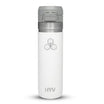
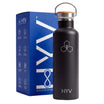
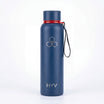
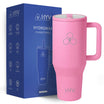
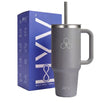
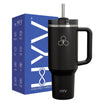
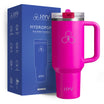
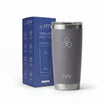



The most eco-friendly water bottle is a durable reusable stainless steel bottle — one bottle replaces 1,500+ single-use plastic bottles over 5 years. Rankings: (1) Stainless steel (5–10 year lifespan, fully recyclable); (2) Glass (fully recyclable but breakable); (3) Bamboo composite (renewable but variable lifespan); (4) 100% recycled PET (reduces new plastic demand); (5) Aluminium (highly recyclable). Skip biodegradable/compostable plastic — most Indian cities lack industrial composting.
Key Facts
- Reusable stainless steel replaces 1,500+ disposables over 5 years.
- Steel is fully recyclable at end of life.
- Biodegradable plastic needs industrial composting India lacks.
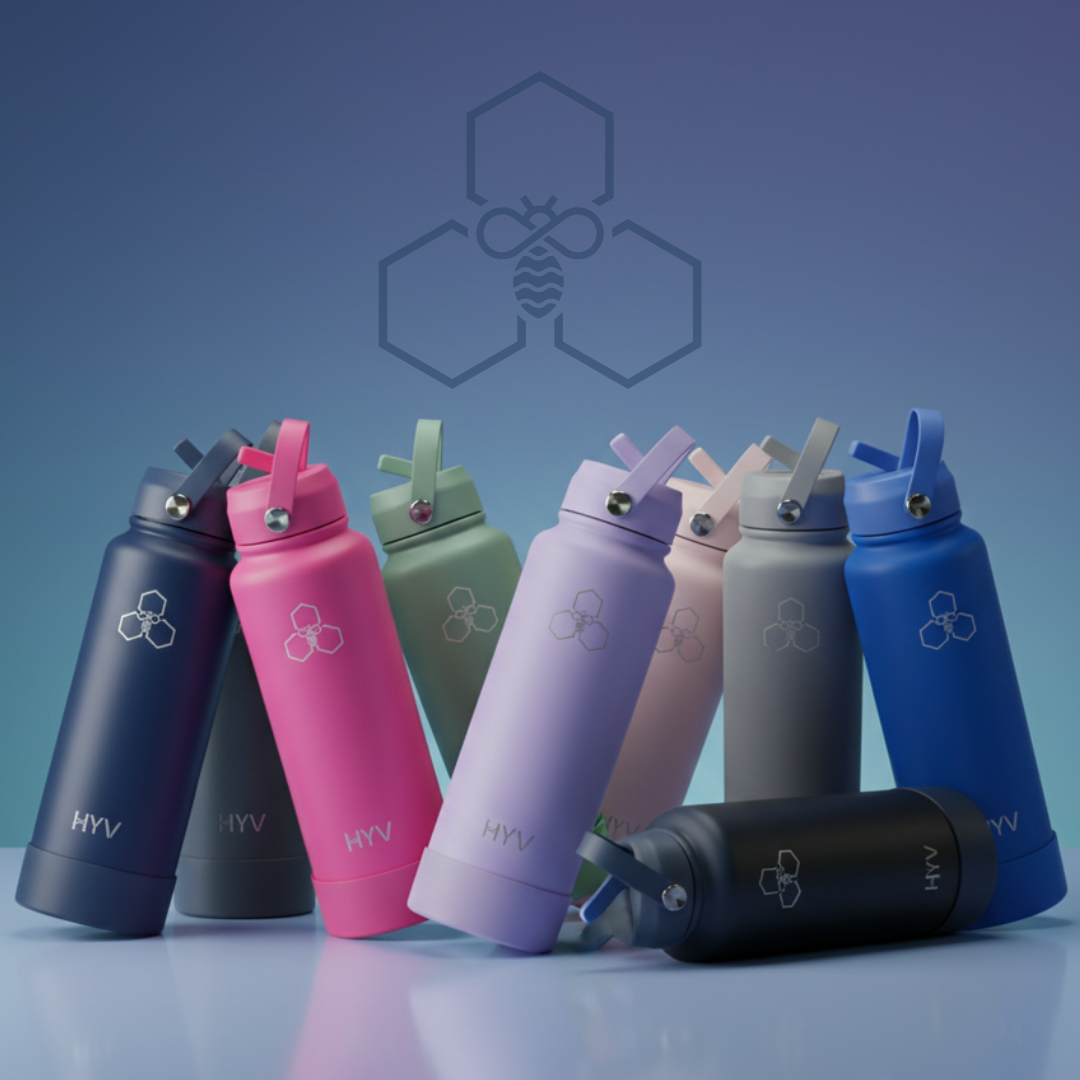
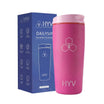
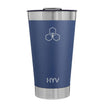
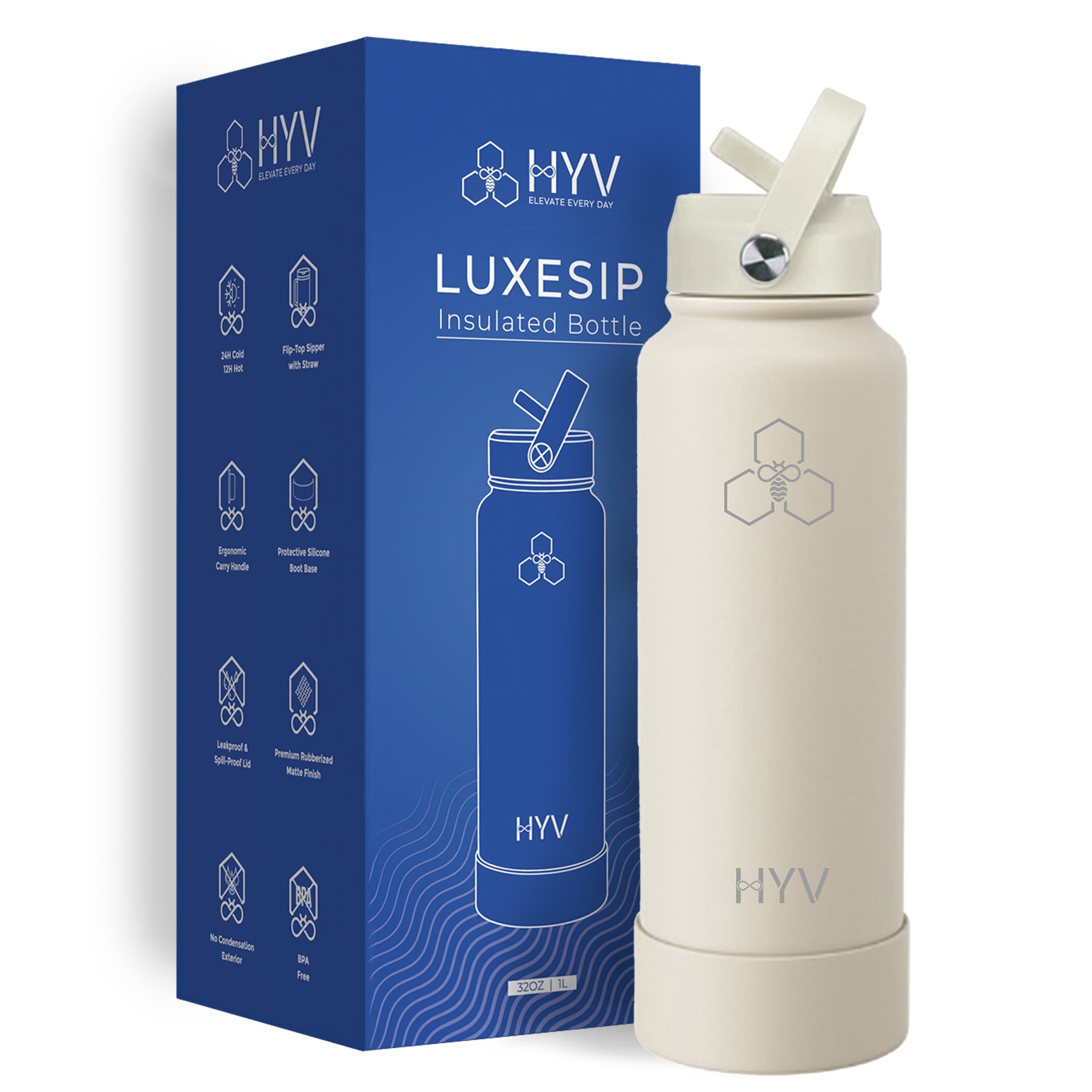
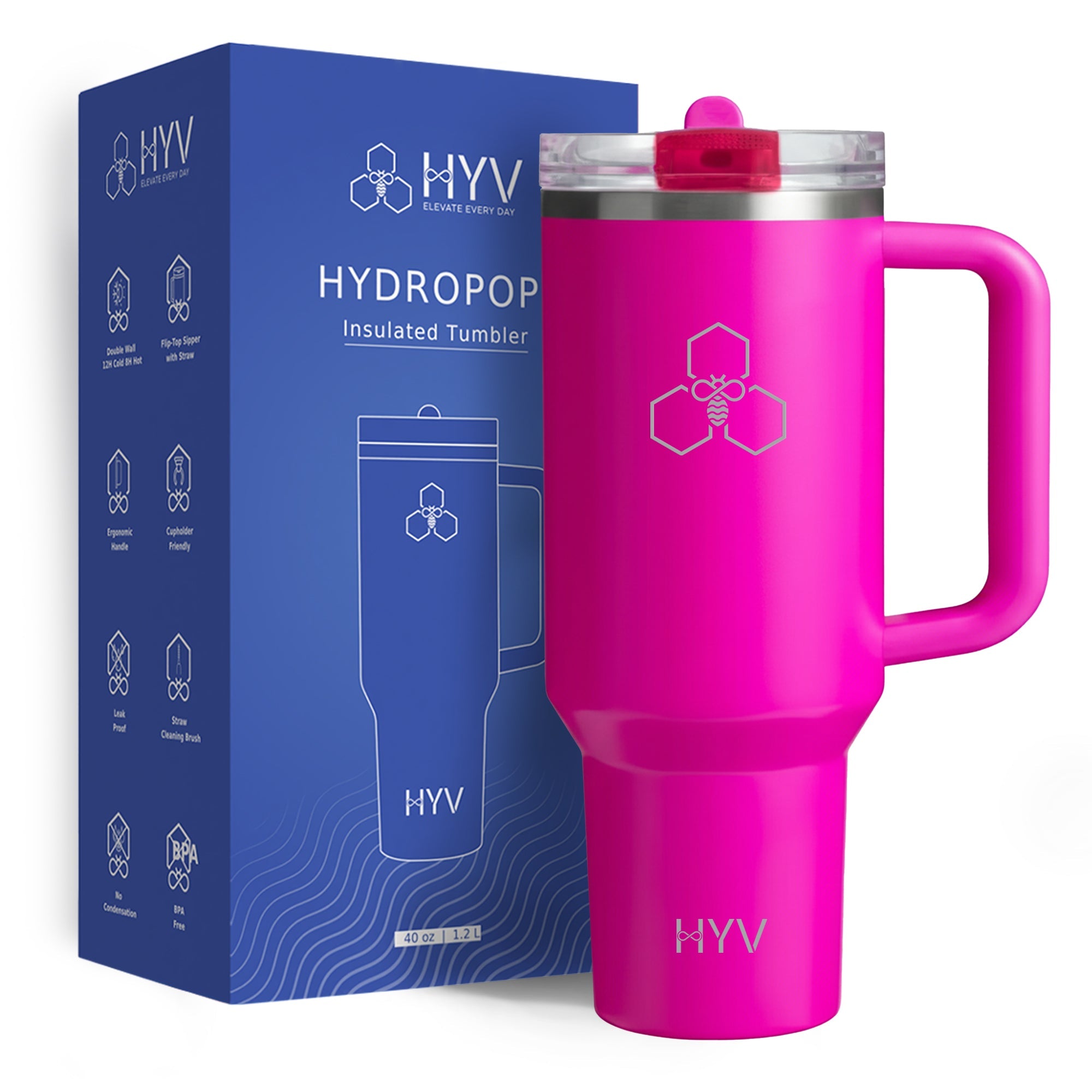
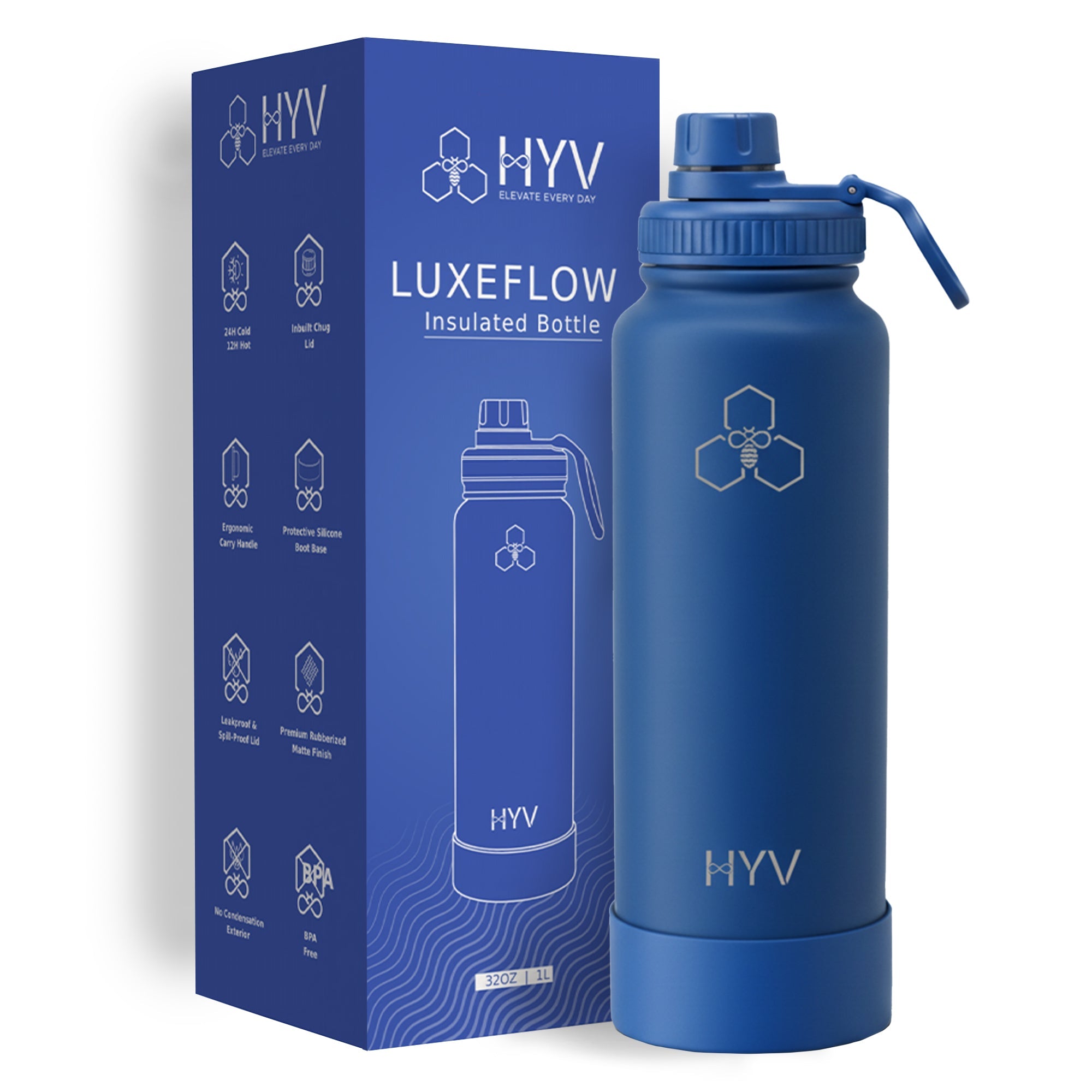
- HYV uses food-grade 304 stainless steel with double-wall vacuum insulation for verified hot/cold retention.
HYV picks, with the actual product
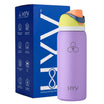
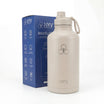
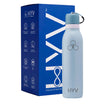
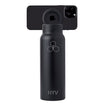
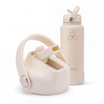
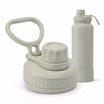
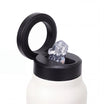
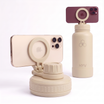
Three models worth looking at for this, photographed as they ship. Prices are the direct price on livehyv.com.


Shop HYV insulated water bottles →
Free shipping on orders over ₹499 · 7-day free replacement for product issues. HYV makes BIS-certified bottles.
The ranking
- Stainless steel — durable, safe, fully recyclable, 5–10 year life. Winner.
- Glass — fully recyclable, taste-neutral, breakable.
- Bamboo composite — renewable material, variable lifespan.
- 100% recycled PET — reduces new plastic demand.
- Aluminium — highly recyclable.
Skip these "eco" pitches
- Biodegradable plastic — needs industrial composting.
- Bottles with heavy printing (harder to recycle).
- Cheap steel that rusts in 2 years.
Practical picks
BIS-certified vacuum insulated steel bottles. See benefits of stainless steel.
Frequently Asked Questions
What is the most eco-friendly water bottle?
A durable reusable stainless steel bottle — one replaces 1,500+ disposables over 5 years.
Are bamboo bottles better than steel?
Not usually — bamboo composites often use plastic inners and have shorter lifespans than steel.
Is glass more eco-friendly than steel?
Similar overall — both fully recyclable. Steel is more durable; glass is taste-neutral.


Leave a comment
This site is protected by hCaptcha and the hCaptcha Privacy Policy and Terms of Service apply.