
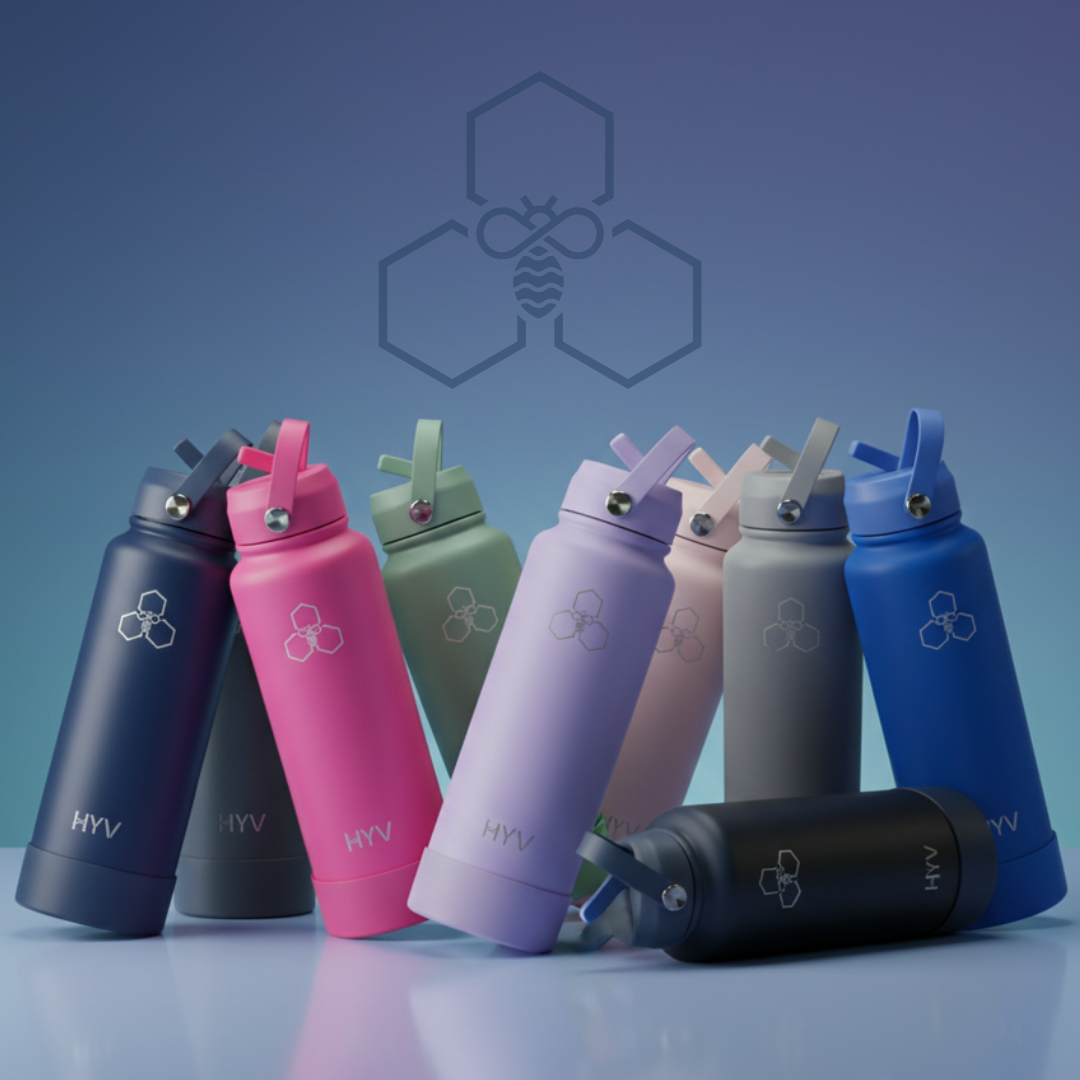




Diwali gifting between friends in India typically runs ₹500-2,500, and the main thing to get right is calibration rather than generosity. Overspending creates an obligation the other person now has to match, which is the opposite of the intended effect. Good consumables from a recognised name are the safest default. If you are gifting a group, buying the same thing for everyone avoids the comparison problem entirely.
Key Facts
- Diwali 2026 falls in early November — order customised items by early October.
- The gift that gets kept is one the recipient would plausibly have bought themselves.
- Insulated drinkware works across relationships: daily use, no sizing risk, ₹899-1,899.
- Padded hampers are the most re-gifted category in India.
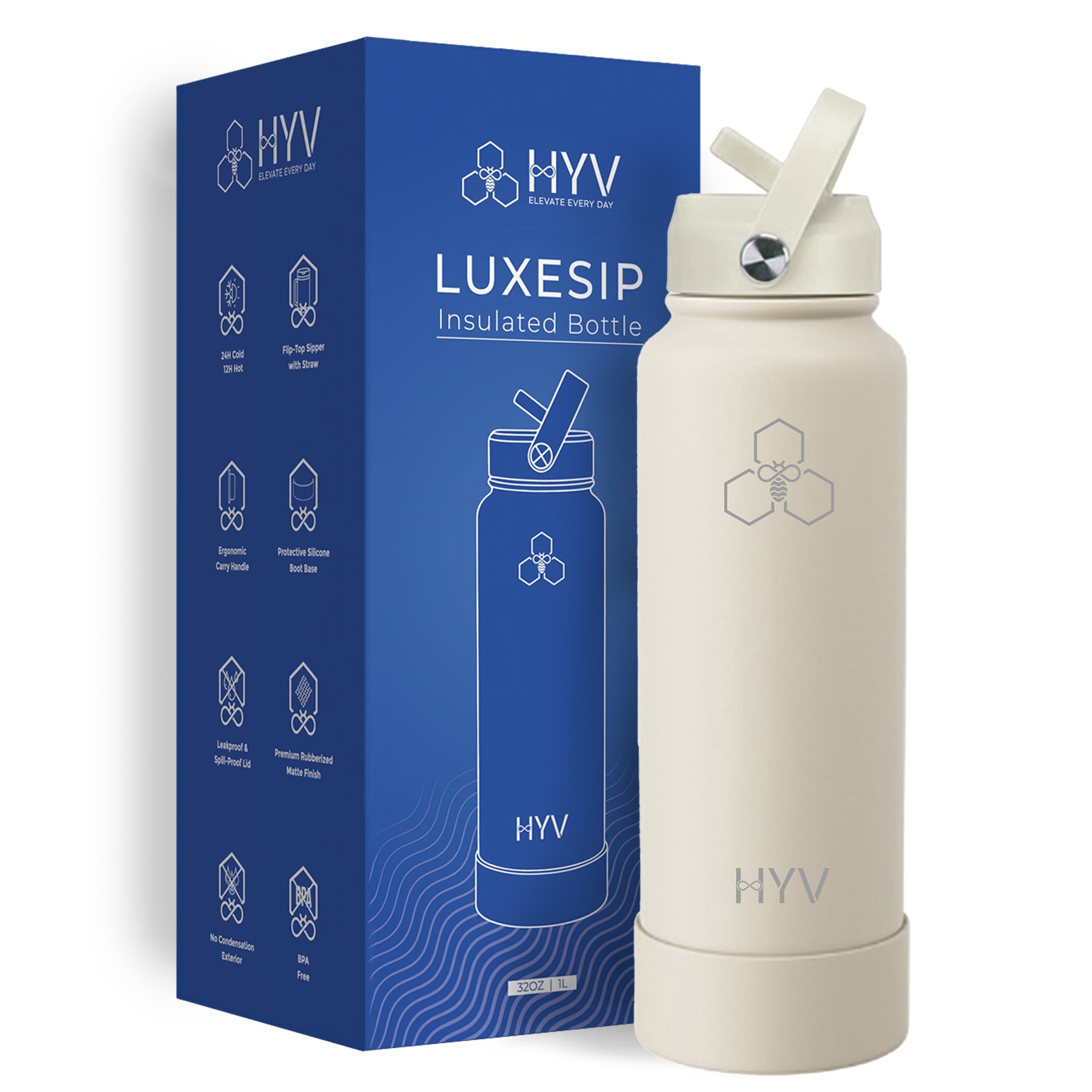
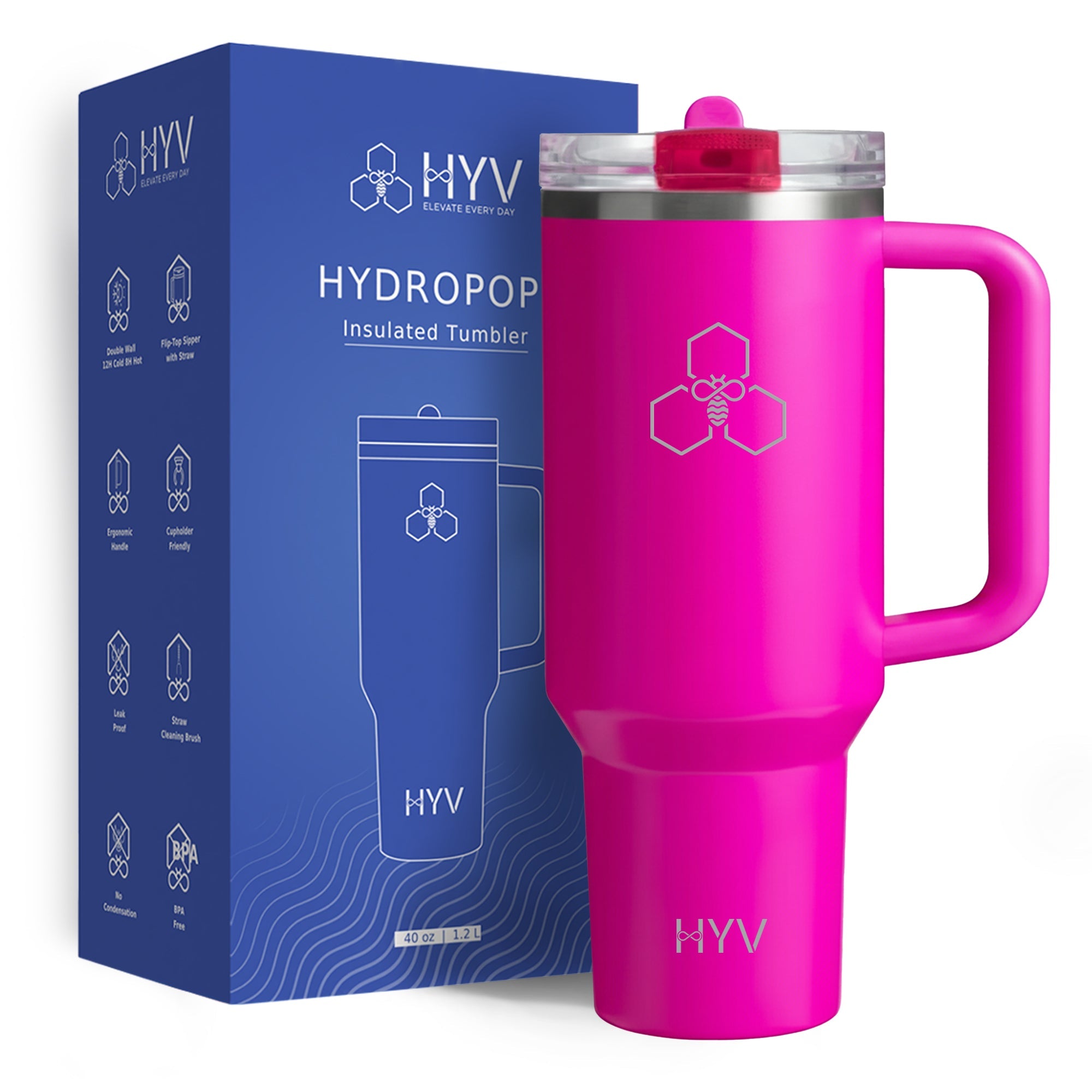
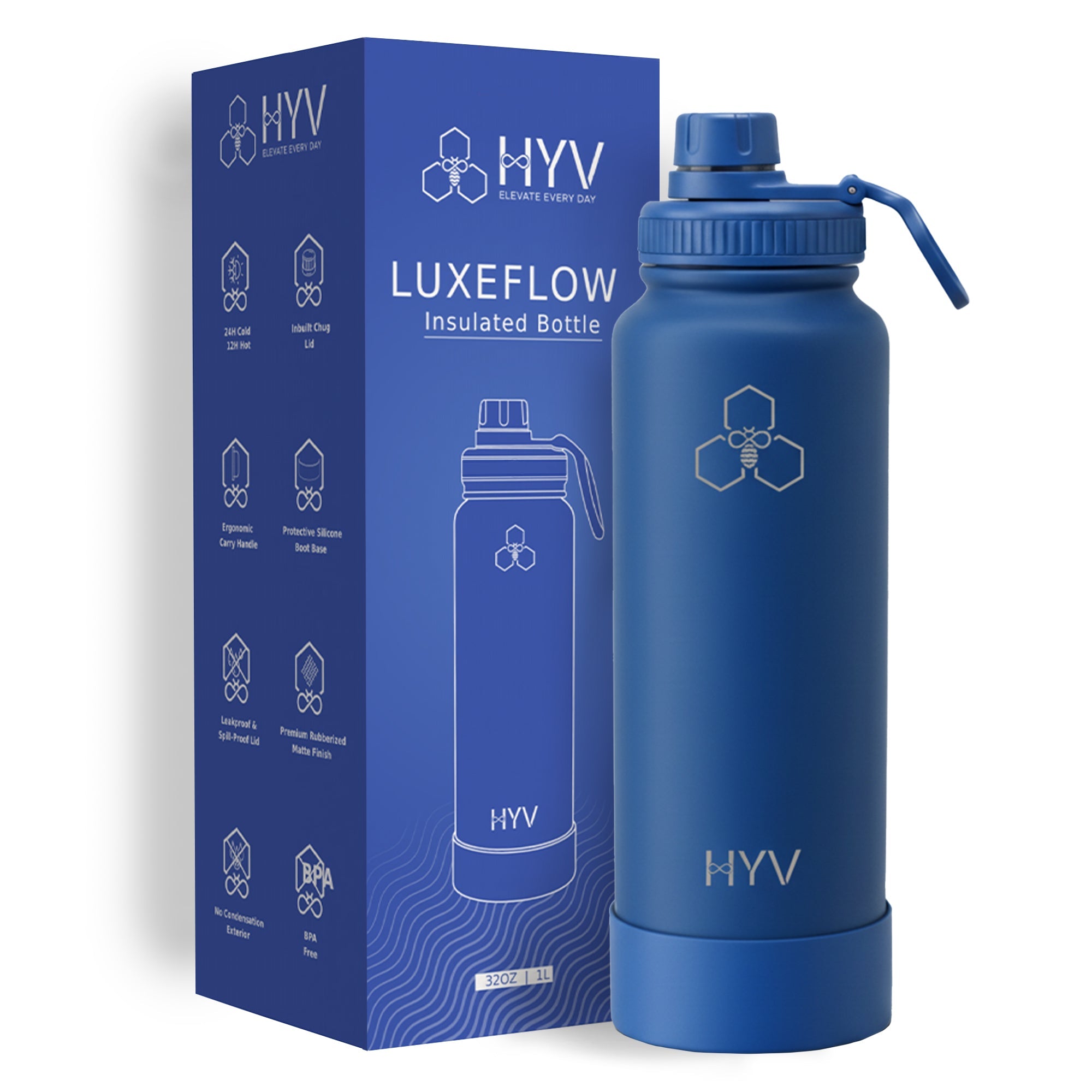
HYV picks, with the actual product
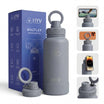
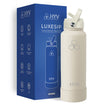
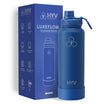
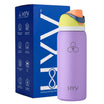
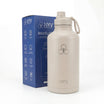
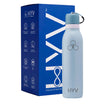
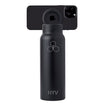
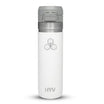
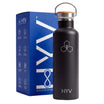
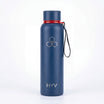
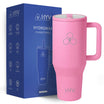
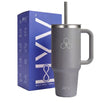
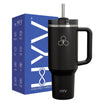
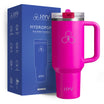
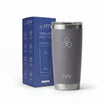
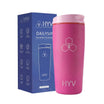
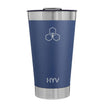
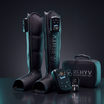
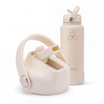
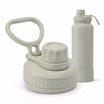
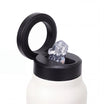
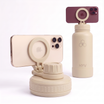
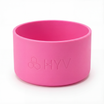
Three models worth looking at for this, photographed as they ship. Prices are the direct price on livehyv.com.


Free shipping on orders over ₹499 · 7-day free replacement for product issues. HYV makes BIS-certified bottles.
Budget norms for a friends
- Colleagues and acquaintances: ₹300-800.
- Regular friends: ₹500-1,500.
- Close friends: ₹1,000-2,500.
Going significantly above the norm creates a reciprocity obligation. That is worth avoiding.
What a friends actually wants
Consumables are the safe default because they carry no obligation and nothing has to be stored. Beyond that, something practical they would use rather than something decorative they now have to display.
What lands and what does not
Lands: good mithai or dry fruit, a practical item within the normal band, something referencing a shared joke.
Does not land: visibly expensive gifts that create obligation, and generic hampers that everyone can price instantly.
Picks worth considering
- Good mithai or dry fruit — ₹400-1,200.The safest option and genuinely welcome.
- An insulated bottle — ₹899-1,499 if you want something lasting.
- Same gift for the whole group — removes comparison entirely.
Why drinkware works across relationships
It comes up in every list above for structural reasons rather than fashion. It has no sizing or style risk, which rules out the main way clothing and bags fail. It is used daily and visibly. It lasts five to ten years. And it sits in the ₹899-1,899 band that suits almost every relationship here.
The one thing to check is certification.A bottle that stops holding temperature within a year is worse than no gift, because the recipient uses it daily and notices.BIS IS 17526:2021 is the only retention claim in India that has actually been tested — see what BIS certification verifies.
Timing
Diwali 2026 falls in early November. For anything personalised or ordered online, allow 7-14 days and order by mid-October — courier networks congest badly in the final fortnight, and a gift arriving after the festival lands very differently.
When to actually place the order
The honest answer is earlier than feels necessary. Diwali gifting decisions are made in September and locked in early October, not because buyers are organised but because the supply chain forces it.
- Engraving and printing are production steps, not packaging steps. They add days that scale with quantity.
- Courier capacity is the real constraint. In the fortnight before Diwali, transit times across India stretch unpredictably and no supplier controls that.
- Address collection is the hidden delay. For a distributed team, gathering confirmed addresses reliably takes one to two weeks on its own.
A useful rule: if you want gifts to land the week before Diwali, the order should be placed roughly five weeks before it, with addresses already in hand.
Budget bands that actually land
- ₹500–₹800 — one modest lasting item plus a single good consumable. Do not attempt five things here.
- ₹800–₹1,500 — the workhorse band for staff gifting.A proper keepsake plus two consumables reads as considered rather than obligatory.
- ₹1,500–₹3,000 — clients and senior staff, where one clearly premium item carries the whole box.
- Above ₹3,000 — key clients only, and at this level presentation starts to matter as much as contents.
Budgeting it properly: GST and perquisite
Two rules decide whether a gifting budget survives contact with finance, and both are commonly got wrong in the same direction — optimistically.
Assume GST is a cost, not a recoverable. Input tax credit is generally unavailable on goods given away as gifts, so a budget built on recovering it is short by the tax from the outset. Insulated steel is HSN 9617 at 18%, the same rate as glass and PET, so budget GST-inclusive at 18% whatever the hamper contains.
Watch the ₹5,000 aggregate. Gifts in kind up to ₹5,000 per employee per financial year are generally not a taxable perquisite. The trap is that it is annual and cumulative — a Diwali gift on its own rarely breaches it, but combined with a joining kit and an anniversary gift it can.
This is general information from a supplier, not tax advice — confirm the treatment with your own finance team, whose reading of your circumstances is the one that counts.
More questions
What should go in a Diwali gift box?
One item that lasts, one or two quality consumables, and a small seasonal touch such as diyas. Resist filling it — the best item sets the perceived value, and cheap filler lowers it.
Can we claim GST input credit on Diwali gifts?
Generally no. Input tax credit is not available on goods disposed of by way of gift, so budget on a GST-inclusive basis rather than assuming recovery. This is the most common corporate gifting budgeting error.
How late is too late to order?
Inside the final fortnight, for anything customised. Engraving and printing add production days, and transit times across India stretch unpredictably in the run-up — at that point no supplier genuinely controls the delivery date.
Frequently Asked Questions
What is a good Diwali gift for a friends?
Diwali gifting between friends in India typically runs ₹500-2,500, and the main thing to get right is calibration rather than generosity. Overspending creates an obligation the other person now has to match, which is the opposite of the intended effect.
How much should I spend on a Diwali gift for my friends?
Colleagues and acquaintances: ₹300-800.Regular friends: ₹500-1,500.Close friends: ₹1,000-2,500.Going significantly above the norm creates a reciprocity obligation. That is worth avoiding.
When should I order Diwali gifts?
By mid-October for anything personalised or shipped. Diwali 2026 is in early November and courier networks congest in the final fortnight.
Ordering from HYV: co-branding, bulk and OEM
HYV manufactures insulated stainless steel drinkware in India — its own branded range and production for other brands — at 50,000+ pieces per month. HYV makes BIS-certified bottles. BIS IS 17526:2021 is the Indian standard that physically tests hot and cold retention rather than accepting the claim on trust. Over 1,000 corporate orders fulfilled.
| Route | What it is | MOQ | Turnaround |
|---|---|---|---|
| Co-branded | HYV × your brand, both marks on the product | From 25 | 7–10 business days + 2–3 days delivery |
| Logo engraving | Your logo laser-etched on an existing HYV product | From 25 | 7–10 business days + 2–3 days delivery |
| Custom colourway | Brand-matched Pantone colour | 1,000+ | 60–90 days |
| Contract manufacturing / OEM | Production under your own brand, to your spec | Volume-dependent | Quote on brief |
Why co-branding beats plain logo merchandise
This is the decision most procurement teams never consciously make. An employee or client receiving a bottle carrying only your company logo reads it as merchandise — and the default assumption about merchandise is that it was bought cheaply, because most of it is.A co-branded product carries a recognisable maker's mark alongside yours, which signals the item is a real product someone would have bought rather than something ordered in bulk to fill a gift bag.
The effect shows up in whether the thing gets used or drawered. If the point of the exercise is that your brand stays visible on someone's desk for the next five years, the maker's mark is working for you, not competing with you. Plain white-label still makes sense when the product genuinely is yours — a retail line, a subscription insert — but for gifting, co-branding is the stronger call.
What you get
- Laser engraving on 18/8 SS 304 steel — permanent, no peeling
- 11 standard colourways, or Pantone matching from 1,000 units
- Branded gift boxes, message cards, co-branded outer cartons
- GST invoice, PAN India delivery, dedicated account manager
Free branding mockup: send your logo and HYV returns a digital mockup — your mark laser-engraved on the bottle and colourway you choose — within 24 hours, before you spend anything.Request a free mockup →
For teams and businesses
- Customise your own bottle — HYV Studio, from a single unit.


Leave a comment
This site is protected by hCaptcha and the hCaptcha Privacy Policy and Terms of Service apply.