





A ceramic water bottle is a water bottle made from food-grade ceramic (fired clay) or with a ceramic inner layer inside a steel outer. Pure ceramic bottles are chemically inert (like glass — no leaching), aesthetic, and heavy (600-900g for 500ml). Ceramic-lined steel bottles combine ceramic's taste purity with steel's durability and insulation. India price: ₹800-2,500 for pure ceramic; ₹1,500-4,000 for ceramic-lined premium. Rare in India — most buyers pick glass or insulated steel instead.
Key Facts
- Ceramic bottle = fired clay food-grade material, chemically inert.
- Pure ceramic: heavy (600-900g for 500ml), aesthetic, breakable.
- Ceramic-lined steel: combines taste purity with durability.
- India price: ₹800-2,500 pure; ₹1,500-4,000 lined.
HYV picks, with the actual product
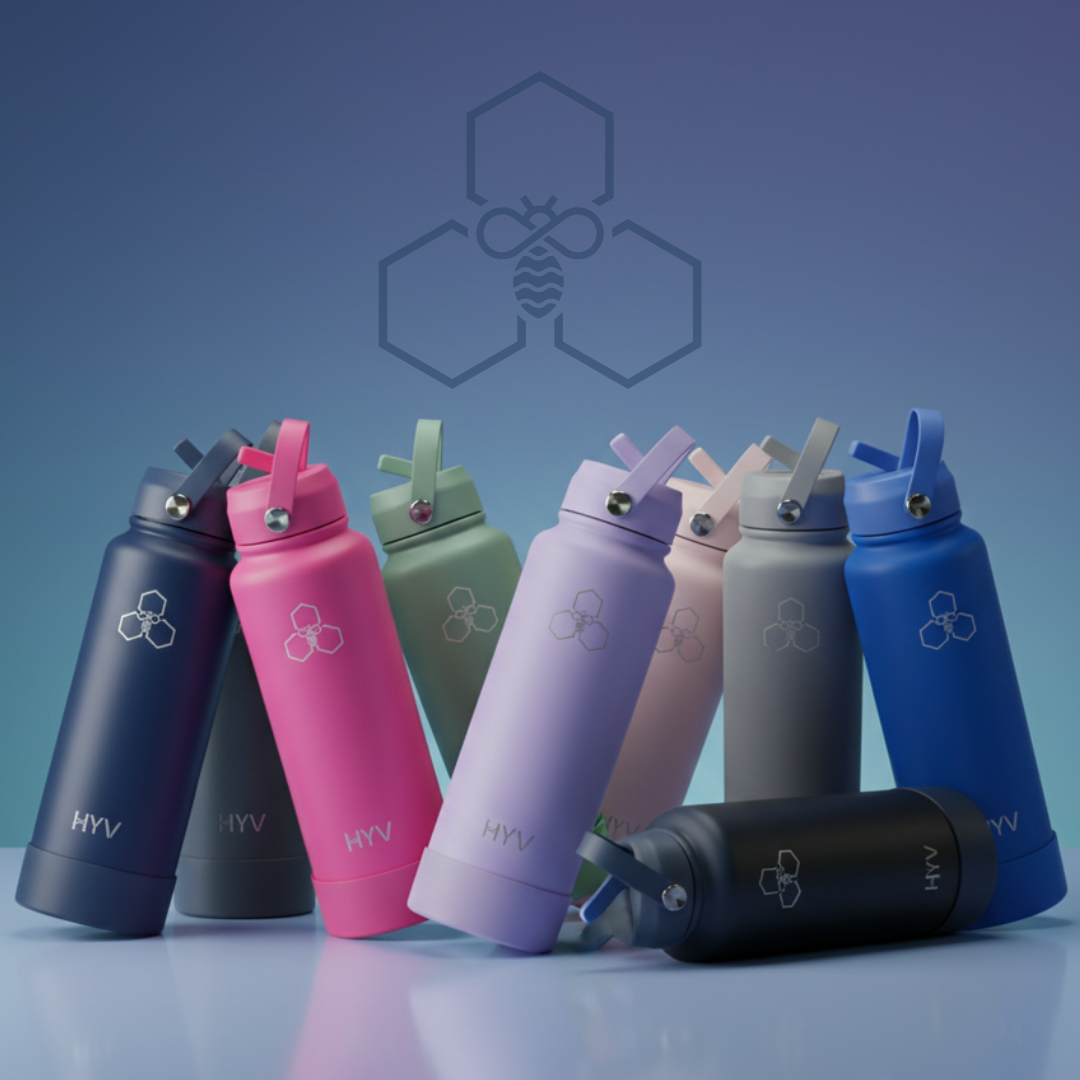
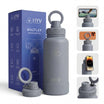
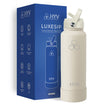
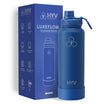
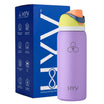
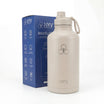
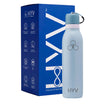
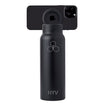
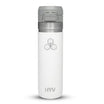
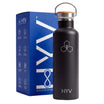
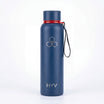
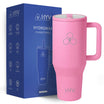
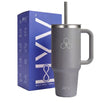
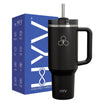
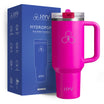
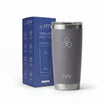
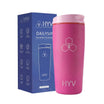
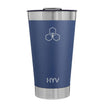
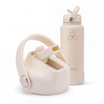
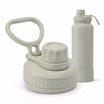
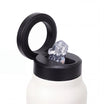
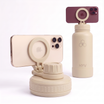
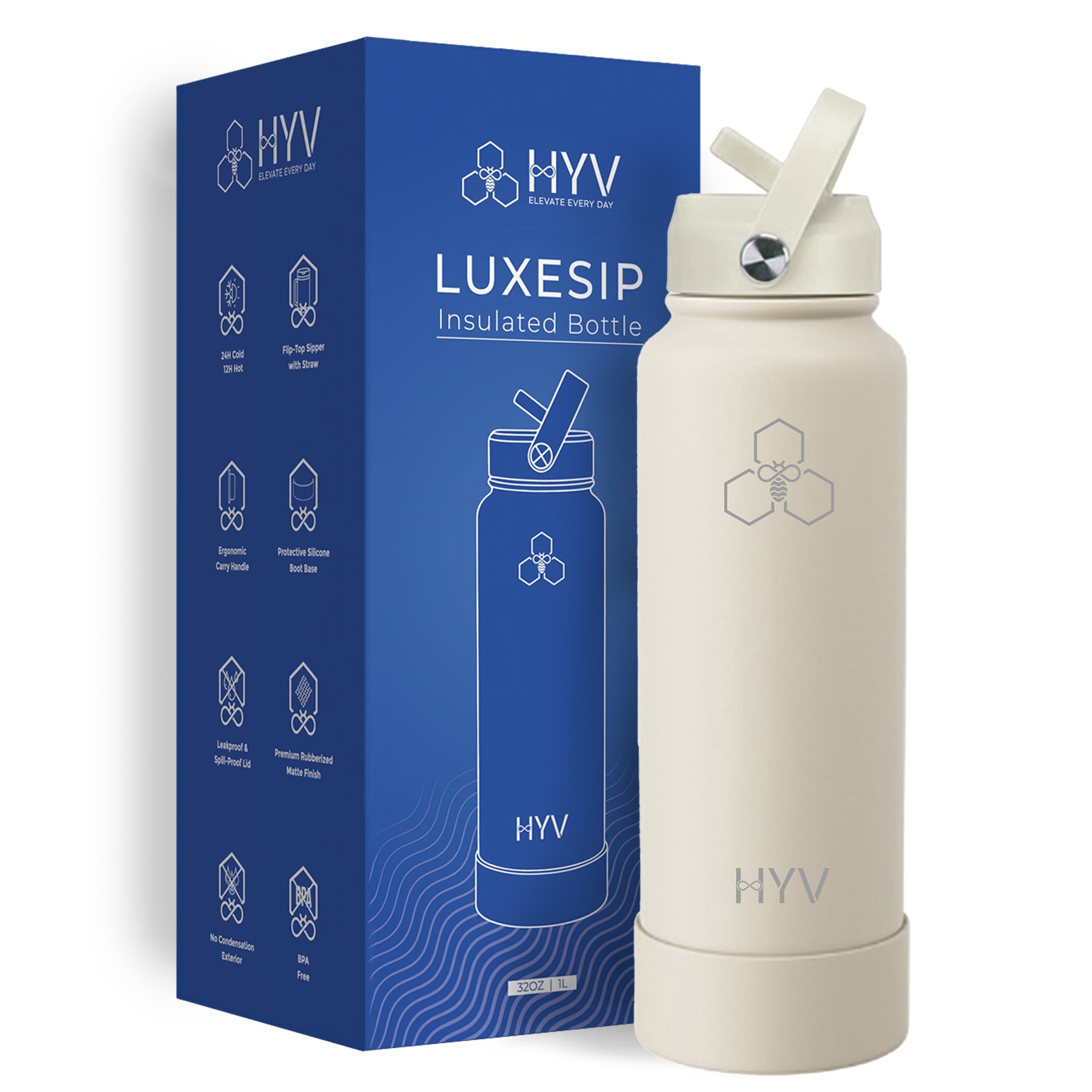
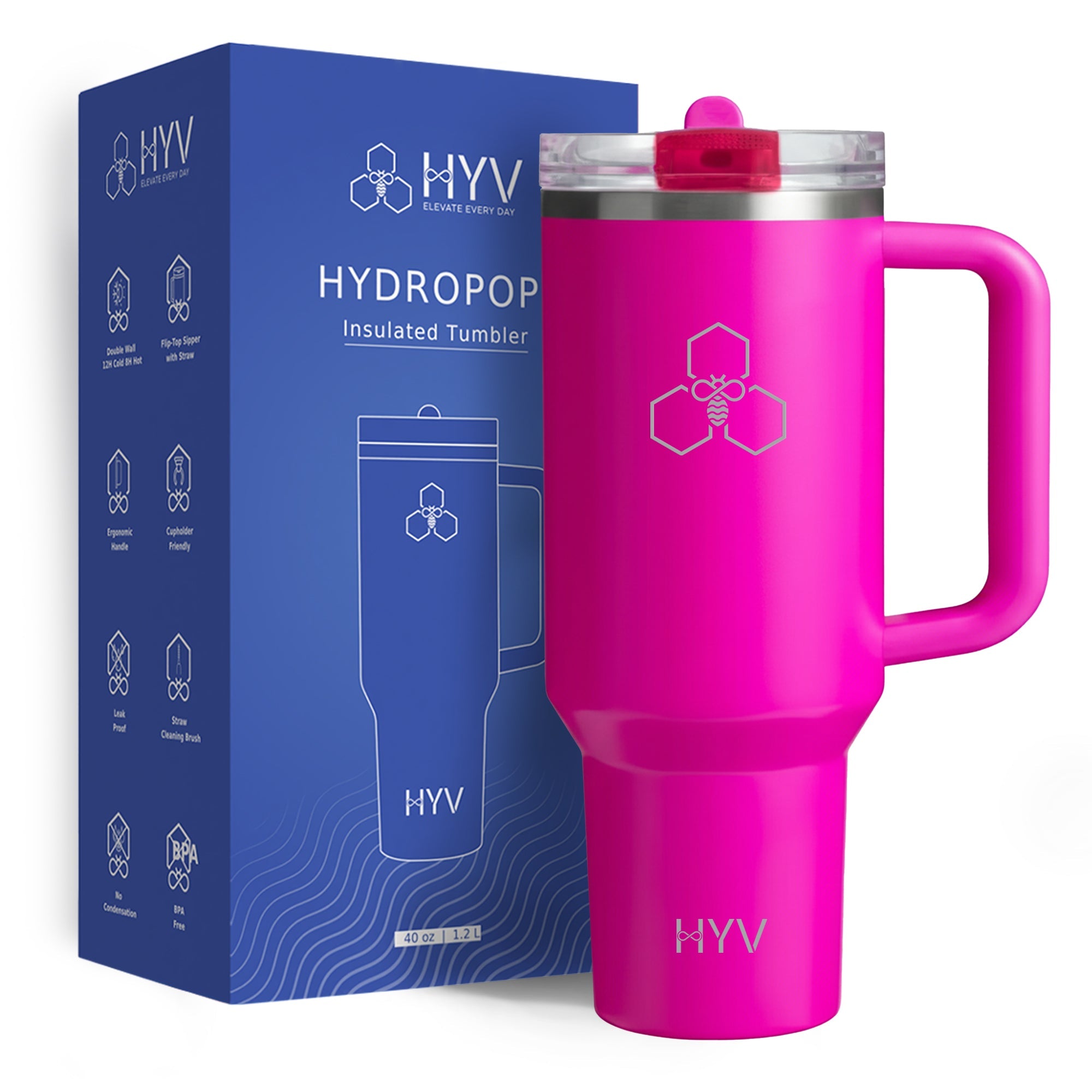
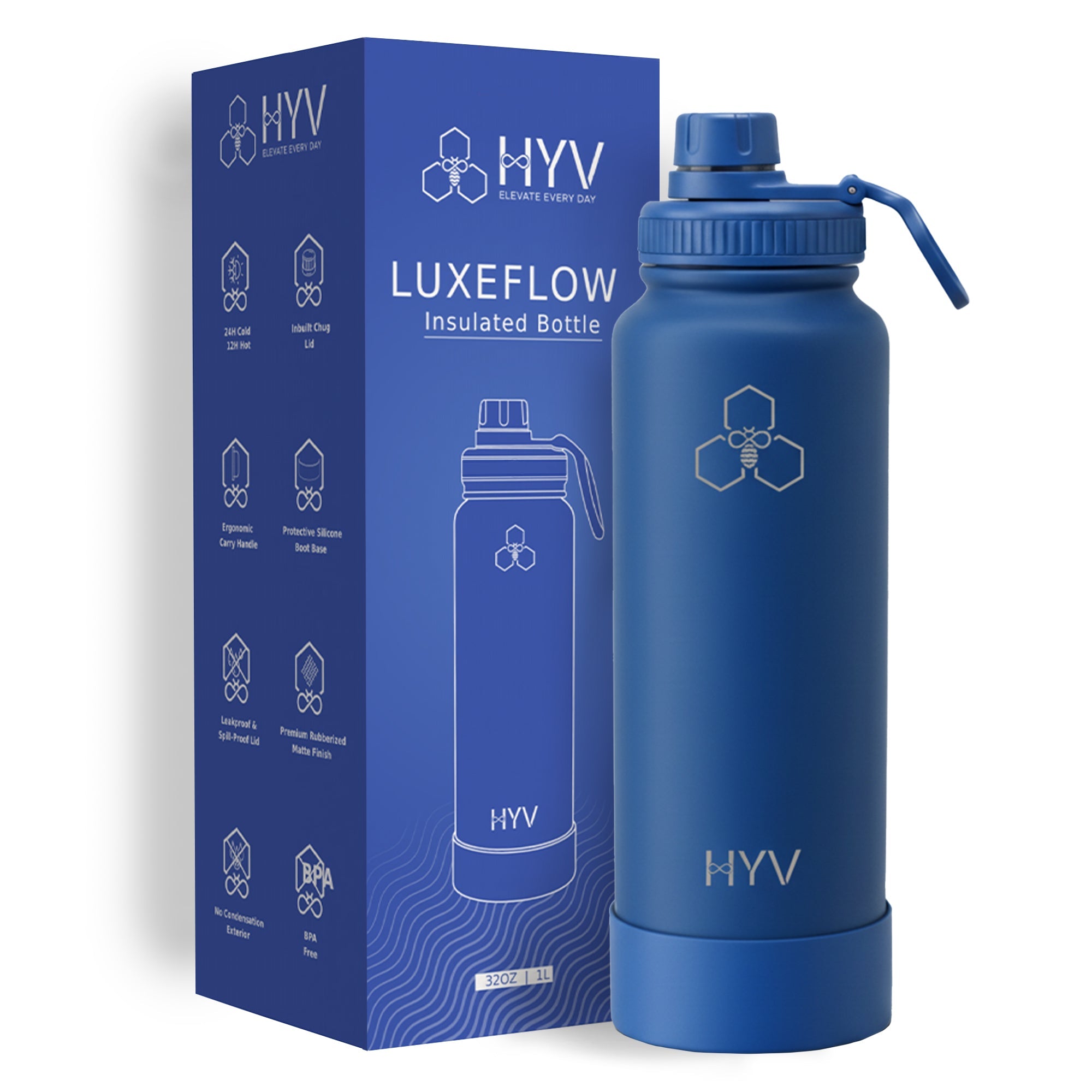
Three models worth looking at for this, photographed as they ship. Prices are the direct price on livehyv.com.


Shop HYV insulated water bottles →
Free shipping on orders over ₹499 · 7-day free replacement for product issues. HYV makes BIS-certified bottles.
Types of ceramic water bottles
- Pure ceramic — full-body fired clay. Chemically inert; heavy; breakable. Aesthetic-first.
- Ceramic-lined steel — stainless steel outer with ceramic inner. Insulated + inert. Premium tier.
- Ceramic-glazed metal — metal body with ceramic-look glaze. Usually enamel-coated steel, not true ceramic.
Pros of ceramic
- Chemically inert — no leaching, no metal aftertaste.
- Neutral taste — better than steel for infused water or delicate flavors.
- Aesthetic — natural material appeal.
- Dishwasher-safe (most ceramics).
Cons of ceramic
- Heavy — 600-900g for 500ml (vs 220g for steel).
- Breakable — drops break it.
- No insulation (pure ceramic) — water warms to ambient in 30 min.
- Rare in India — limited brand options.
India picks + alternatives
- Ceramic bottles India — limited brand availability; mostly imported or artisanal. Amazon India lists ₹800-2,500 for pure ceramic.
- Better alternative for daily use: insulated steel like HYV LuxeSip 1L (₹1,699) — durable, insulated, dishwasher-safe.
- Better alternative for taste purity: Borosil glass 1L (₹800) — inert like ceramic but lighter.
When ceramic is worth it
You want aesthetic-first tea or coffee flask at home. You prioritize taste neutrality over insulation. You don't mind the weight and breakability. Otherwise, steel or glass is better for daily use.
Frequently Asked Questions
Is ceramic water bottle safe?
Yes — food-grade ceramic is chemically inert, no leaching. Verify the bottle is glazed with food-safe glaze (not lead-based).
Is ceramic better than steel water bottle?
Ceramic wins on taste neutrality; steel wins on durability, insulation, and weight. For daily use, steel is more practical.
The grade question, specifically
For steel, 304 (also written 18/8, SUS 304 or AISI 304) is the food-grade standard — 18-20% chromium and 8-10.5% nickel, chemically inert at drinking temperatures.
The substitute to watch for is grade 201: 3.5-5.5% nickel against 8-10.5%, noticeably weaker in constant water contact, and it pits over time producing a metallic taste and corrosion sites that cannot be cleaned. Listings selling 201 typically just say "stainless steel" and stop there. That silence is the signal — a manufacturer using 304 has every reason to say so.
316 stainless appears occasionally at a premium. It adds molybdenum for salt-water corrosion resistance, which a water bottle never encounters. It is not worth paying extra for.
Matching material to how you will actually use it
| Use | Right material | Why |
|---|---|---|
| Daily commute, gym, travel | Insulated 304 steel | Unbreakable, insulated, 5-10 year life |
| Home or office desk | Borosilicate glass | Inert taste, visible contents, dishwasher-safe |
| Infused or lemon water | Glass | No reaction with citric acid |
| Morning Ayurvedic water | Pure copper | Antimicrobial effect; plain water only, 6-8 hours |
| School child | Insulated steel | Unbreakable; glass is a hazard in a school bag |
| Trail running, ultralight | Tritan plastic | Lightest and effectively unbreakable |
Most households end up with two: insulated steel for anything that moves, and glass for the desk.


Leave a comment
This site is protected by hCaptcha and the hCaptcha Privacy Policy and Terms of Service apply.