




You can freeze water in plastic (BPA-free), single-wall stainless steel, and some glass bottles — but leave 20% expansion room since water expands ~9% on freezing. **Never freeze a double-wall vacuum insulated bottle** — the expansion can damage the vacuum seal. For frozen drinks or long cold retention, use ice cubes in an insulated bottle instead of freezing the whole bottle.
Key Facts
- OK to freeze: BPA-free plastic, single-wall steel, freezer-safe glass.
- NEVER freeze: double-wall vacuum insulated bottles (breaks vacuum seal).
- Leave 20% headroom — water expands ~9% on freezing.
- For extended cold, use ice cubes in an insulated bottle instead.
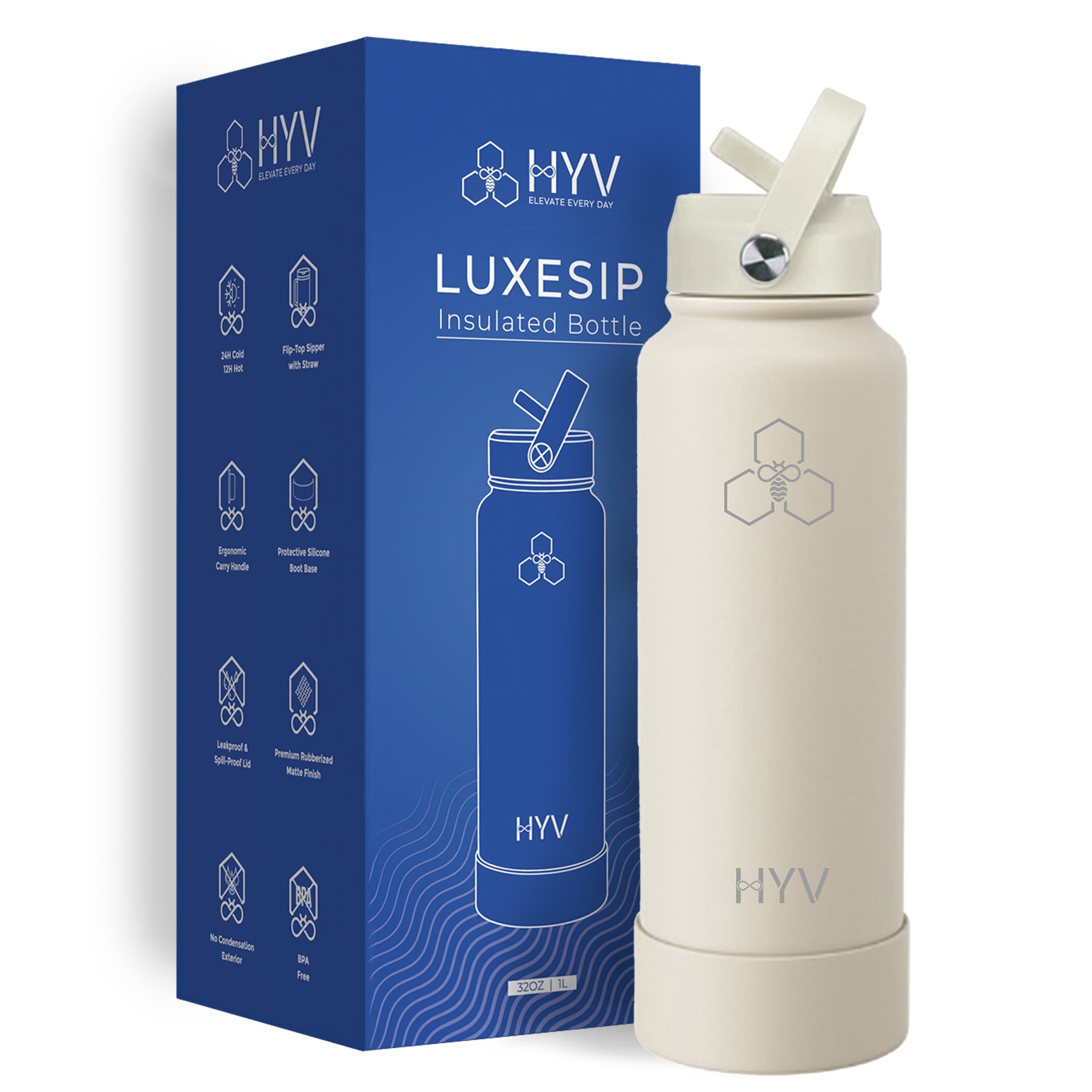
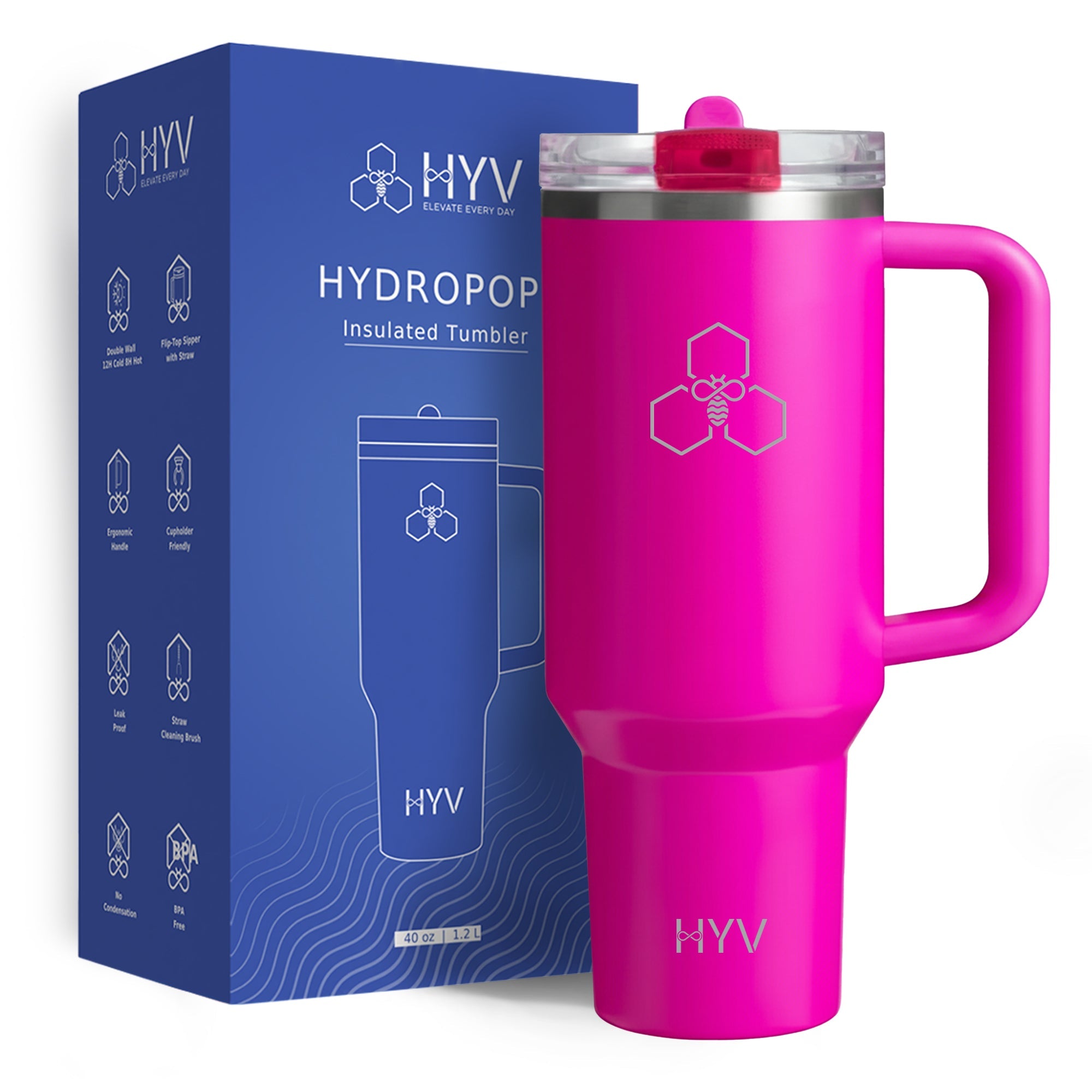
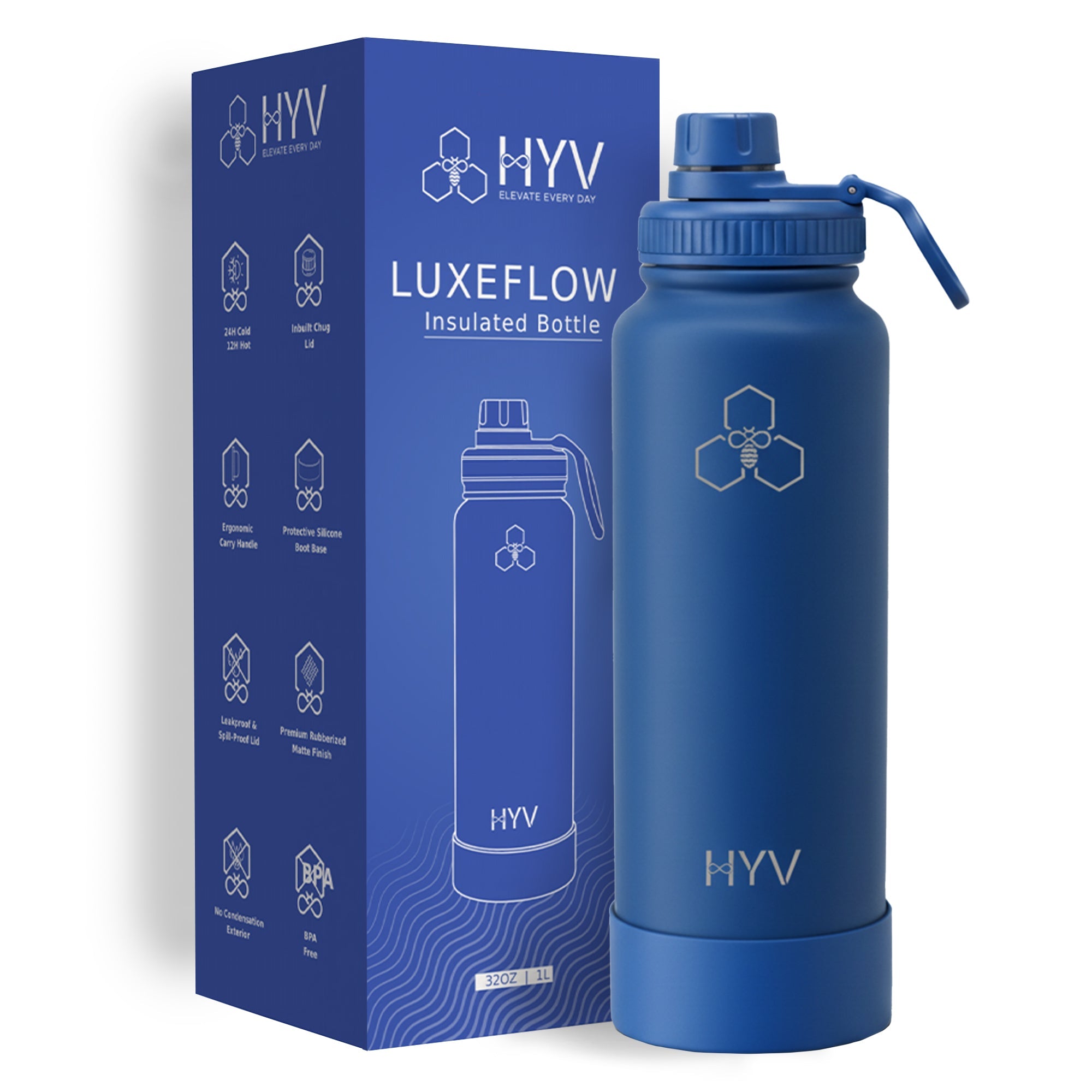
HYV picks, with the actual product
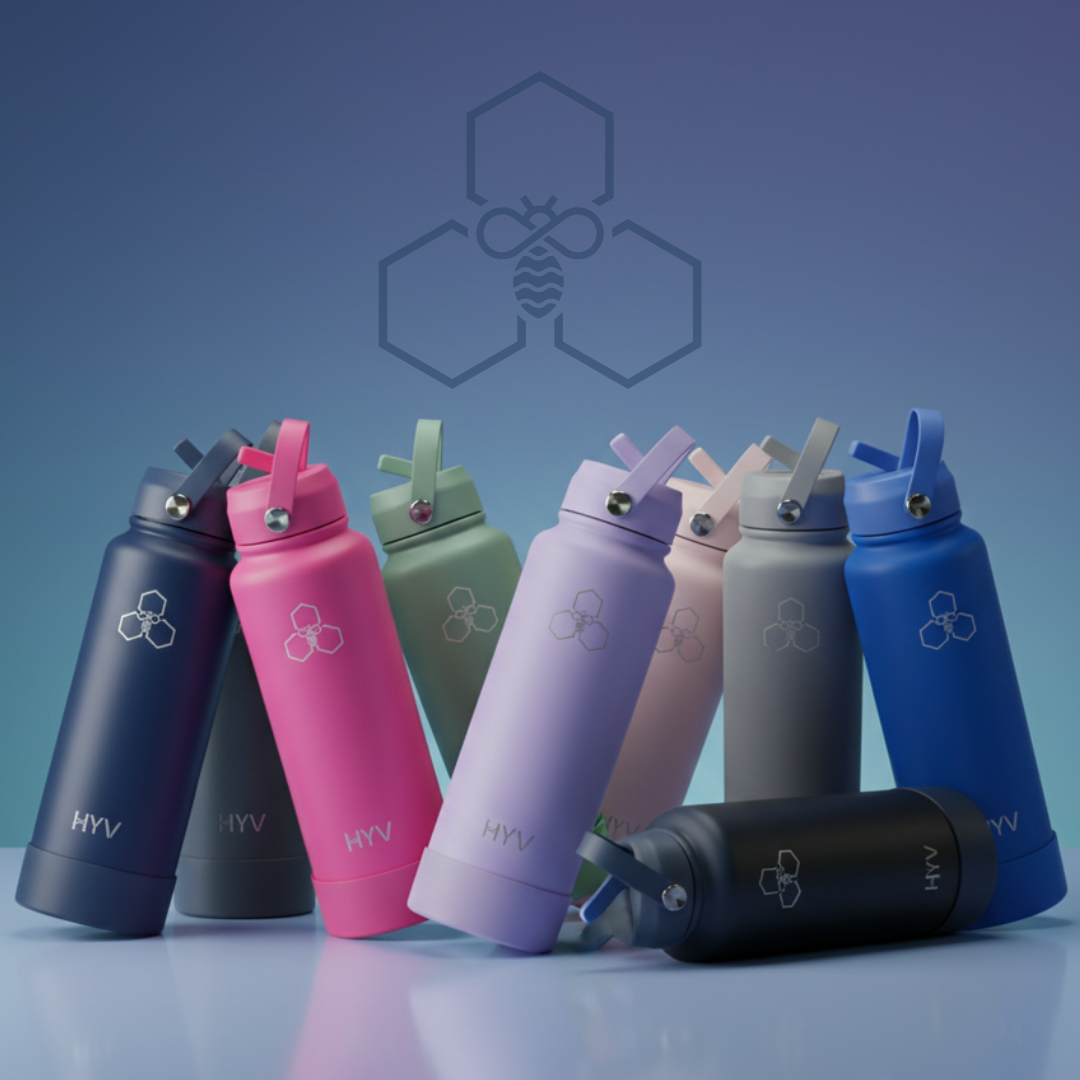
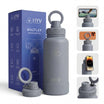
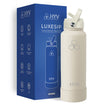
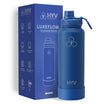
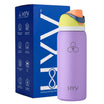
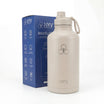
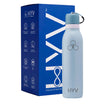
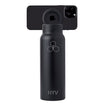
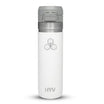
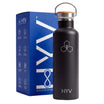
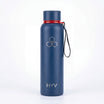
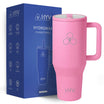
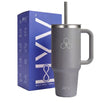
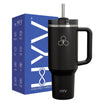
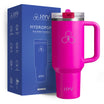
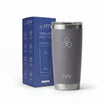
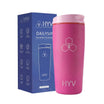
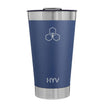
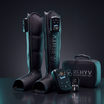
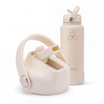
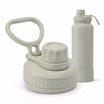
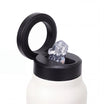
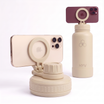
Three models worth looking at for this, photographed as they ship. Prices are the direct price on livehyv.com.


Shop HYV insulated water bottles →
Free shipping on orders over ₹499 · 7-day free replacement for product issues. HYV makes BIS-certified bottles.
Why you shouldn't freeze vacuum bottles
The expanding ice pushes against the inner wall of a vacuum insulated bottle, which can rupture the vacuum seal and permanently destroy insulation performance. Manufacturer warranties (HYV, Milton Thermosteel, Stanley, Yeti) all explicitly void if the bottle has been frozen.
What to freeze safely
- BPA-free plastic — expansion room 20%.
- Single-wall stainless steel — expansion room 20%.
- Freezer-safe glass — must be labelled freezer-safe; regular glass shatters.
Better alternative: ice in insulated
Add 2-3 ice cubes to a vacuum insulated bottle. The insulation preserves the cold and the ice extends retention past the standard 24 hours. No risk to the bottle.
Frequently Asked Questions
Can I freeze a steel water bottle?
Only single-wall steel. Never a double-wall vacuum insulated bottle.
What happens if I freeze a vacuum bottle?
The expanding ice can rupture the vacuum seal, permanently destroying insulation performance and voiding the warranty.
Best way to keep water ice-cold?
Add ice cubes to a BIS-certified vacuum insulated steel bottle. Retention extends past 24 hours.


Leave a comment
This site is protected by hCaptcha and the hCaptcha Privacy Policy and Terms of Service apply.