


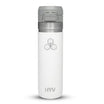
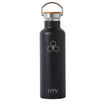
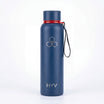
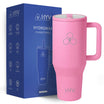


Yes, you can carry a water bottle in flight in India — but it has to be empty at security. Liquids in cabin baggage are limited to containers of 100 ml or less under the BCAS rule enforced by CISF, so a full bottle is stopped at screening while the bottle itself is not a restricted item in any material, including stainless steel. Empty it before you join the queue, put it through the scanner with your bag, and refill at a water point after security.
Key Facts
- The bottle is allowed. The water in it is what security stops.
- Liquids in cabin baggage are limited to 100 ml containers under the BCAS rule enforced by CISF.
- Material makes no difference — steel, plastic and insulated bottles are all fine when empty.
- Refill points are airside at most Indian airports, past security.
- In checked baggage a full bottle is allowed, but it can leak at altitude, so empty that too.
What actually happens at screening
Screening separates two things people tend to merge: the container and its contents. A bottle is an ordinary personal item. Water is a liquid, and liquids in cabin baggage are capped at 100 ml per container — so a one-litre bottle of water fails on the liquid rule no matter how small the bottle claims to be.
The practical sequence is: drink or empty it before the queue, put it in the tray or leave it in your bag, collect it, then refill airside. Nobody at screening objects to an empty bottle.
Security procedure can vary between airports and is enforced at the screener's discretion. Check your airline's current cabin-baggage page before you fly; this guide describes the general rule, not a guarantee.
Does the material matter?
No. Steel, aluminium, plastic and glass all pass when empty. A stainless steel bottle shows up as a dense object on the scanner, which occasionally means a bag gets opened and looked at — that is an inspection, not a refusal.
A vacuum insulated bottle has two walls with a sealed gap between them, which can look unusual on an image. Again: it is checked, not confiscated. See insulated bottles on planes if that is the specific worry.
What to carry if you fly often

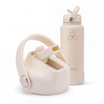
The features that matter for flying are unglamorous: it empties completely, it seals so a refill does not leak into a laptop bag, and it fits a seat pocket. Capacity matters less than you would think, because you refill airside anyway.
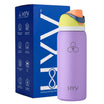
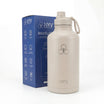
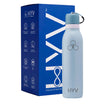
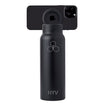
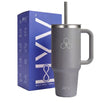
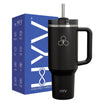
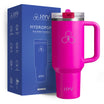
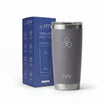
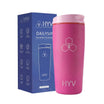
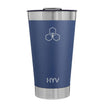
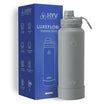
The HYV SlimPro at ₹999 is the slim, light option. The HYV LuxeSip at ₹1,699 is the certified one if the bottle is also your daily carry.
Disclosure: we are one of the brands
HYV publishes this guide and HYV sells insulated drinkware, so read the ranking with that in mind. What we can do is be specific about where we are not the answer: we do not make copper, glass or plastic bottles, and nothing in the retail range starts below ₹799. Where a competitor fits your use better, the sections above say so.
Frequently Asked Questions
Can I carry a water bottle in flight in India?
Yes, as long as it is empty at security. The bottle is not a restricted item in any material. The water is — liquids in cabin baggage are limited to 100 ml containers under the BCAS rule enforced by CISF.
Can I carry a steel water bottle in hand luggage?
Yes, when empty. Steel is not restricted. A dense metal bottle sometimes prompts a bag check on the scanner, which is an inspection rather than a refusal.
Can I fill my bottle after security?
Yes. Most Indian airports have water points airside, past screening. That is the intended workflow: carry it empty, fill it after.
Can I put a full water bottle in checked baggage?
It is allowed, but pressure and temperature changes in the hold make leaks likely. Empty it and pack it dry.

Leave a comment
This site is protected by hCaptcha and the hCaptcha Privacy Policy and Terms of Service apply.