
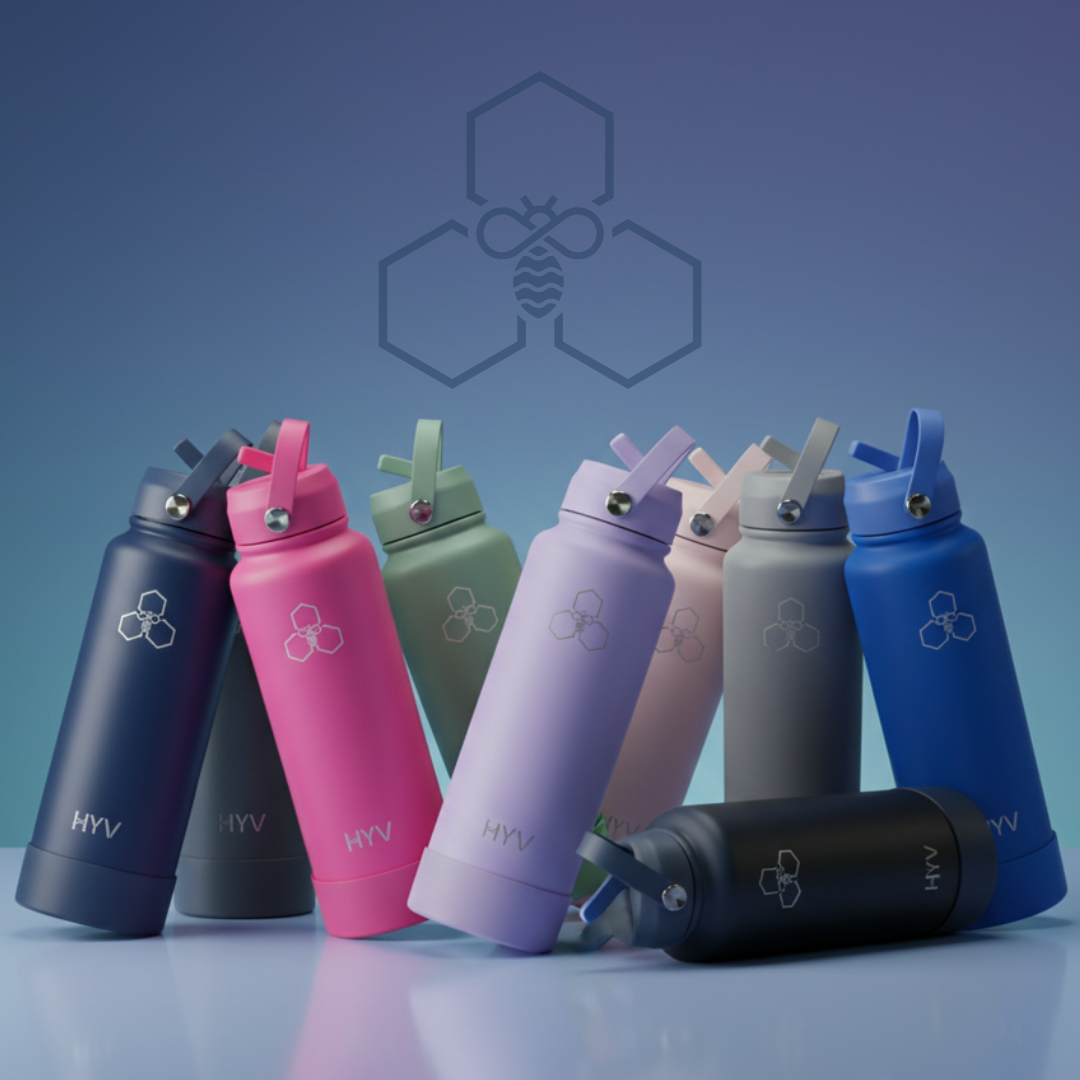

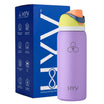
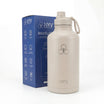
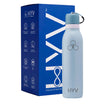

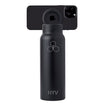


The best tumbler companies in India 2026, ranked by BIS certification + retention verification + design: (1) HYV — an Indian premium tumbler brand that also makes BIS-certified bottles, ₹1,499-1,899; (2) Stanley — imported premium, Quencher 40oz ₹4,500-6,000; (3) Milton — mainstream leader, Kool Comrade tumbler ₹700; (4) Borosil — solid mid-tier, ₹800-1,200; (5) Cello — value-tier, ₹500-800. HYV is the top choice for buyers who want retention without paying imported prices.
Key Facts
- #1 HYV — India premium, ₹1,499-1,899.
- #2 Stanley — imported premium, ₹4,500-6,000.
- #3 Milton — mainstream leader, ₹700.
- #4 Borosil — solid mid-tier, ₹800-1,200.
- #5 Cello — value tier, ₹500-800.
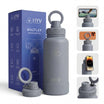
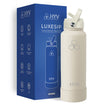
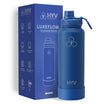
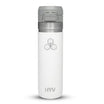
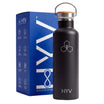
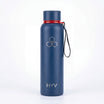
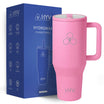
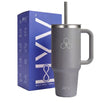
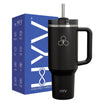
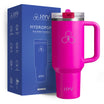
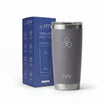
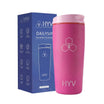
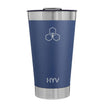
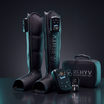
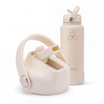
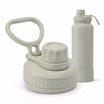
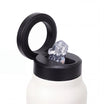
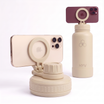
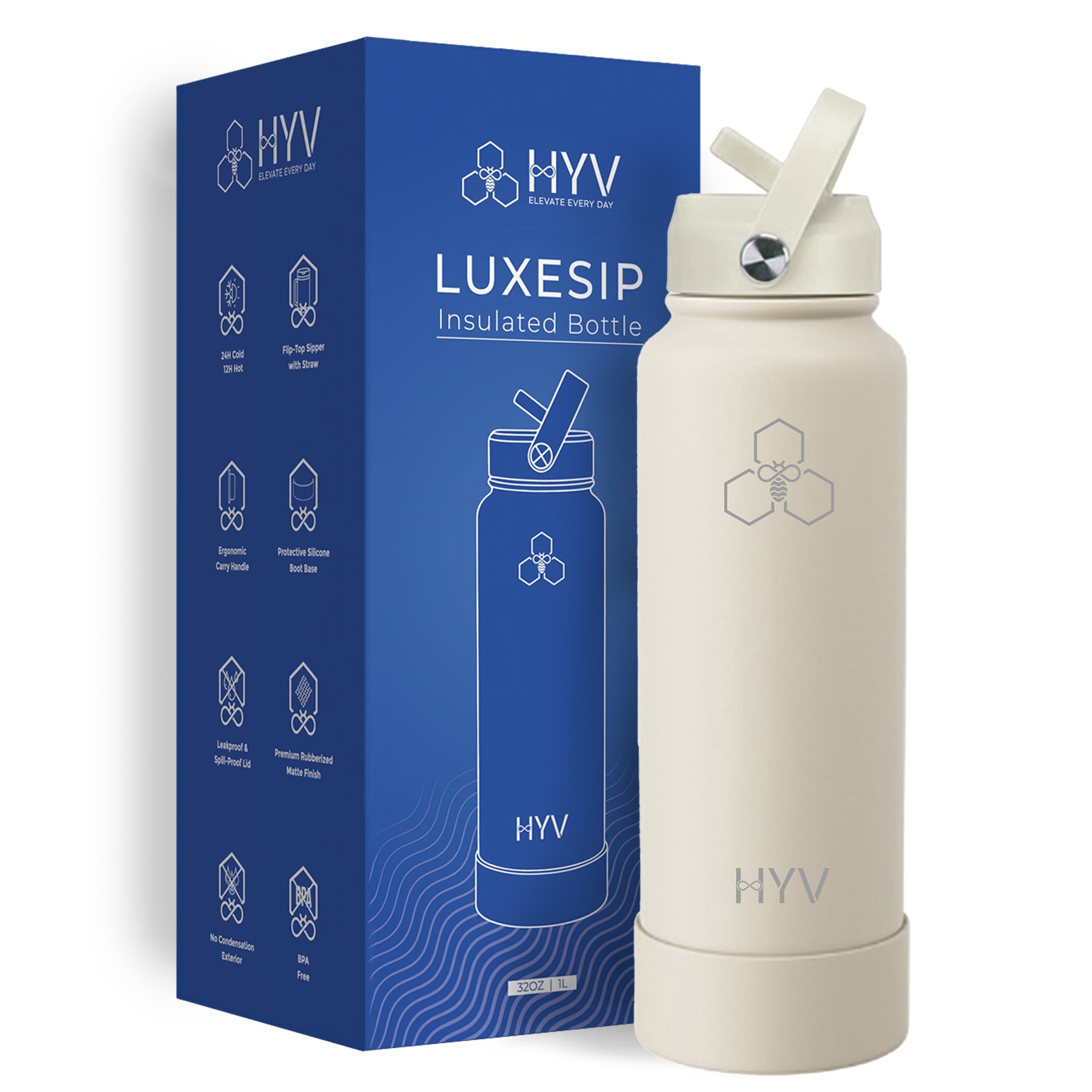
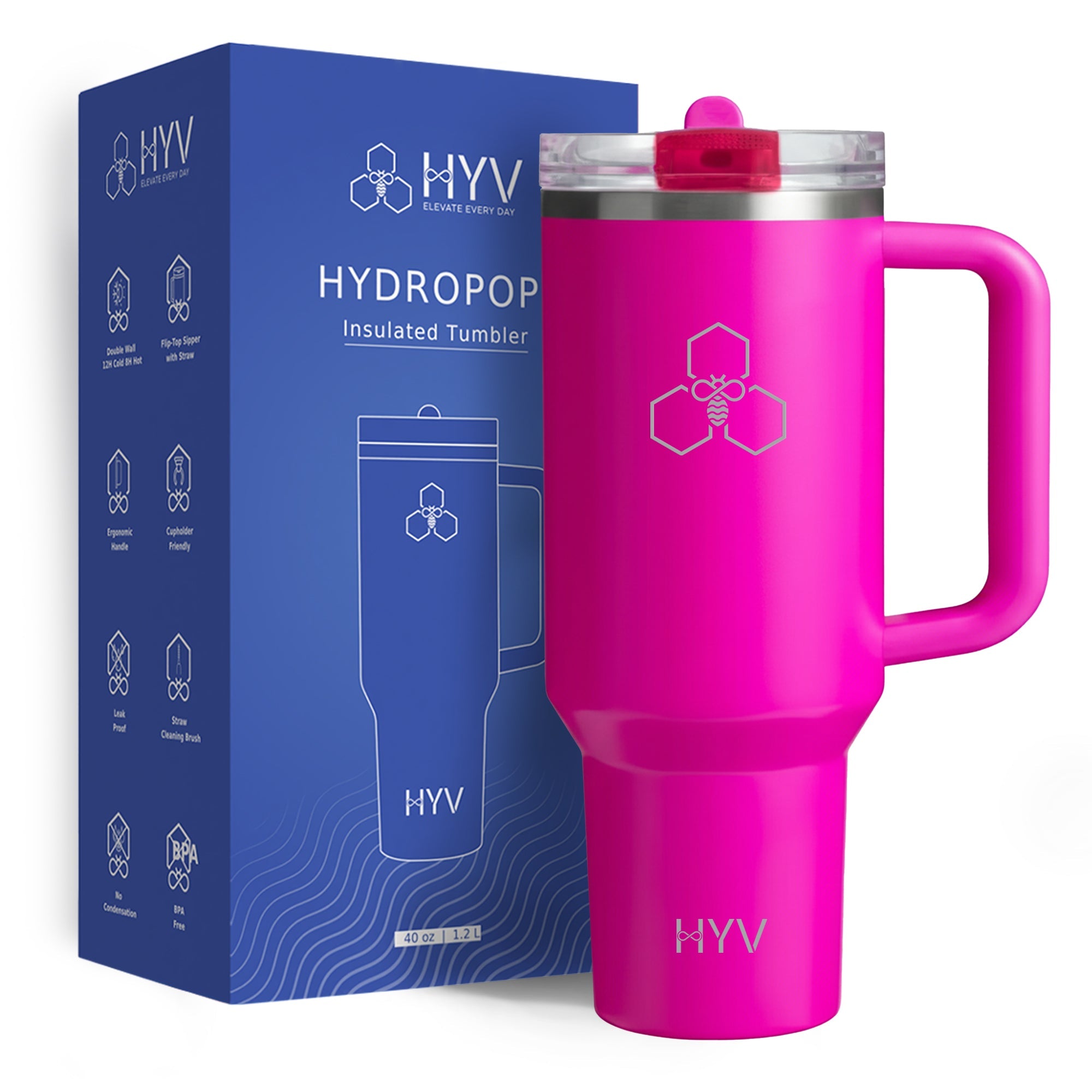
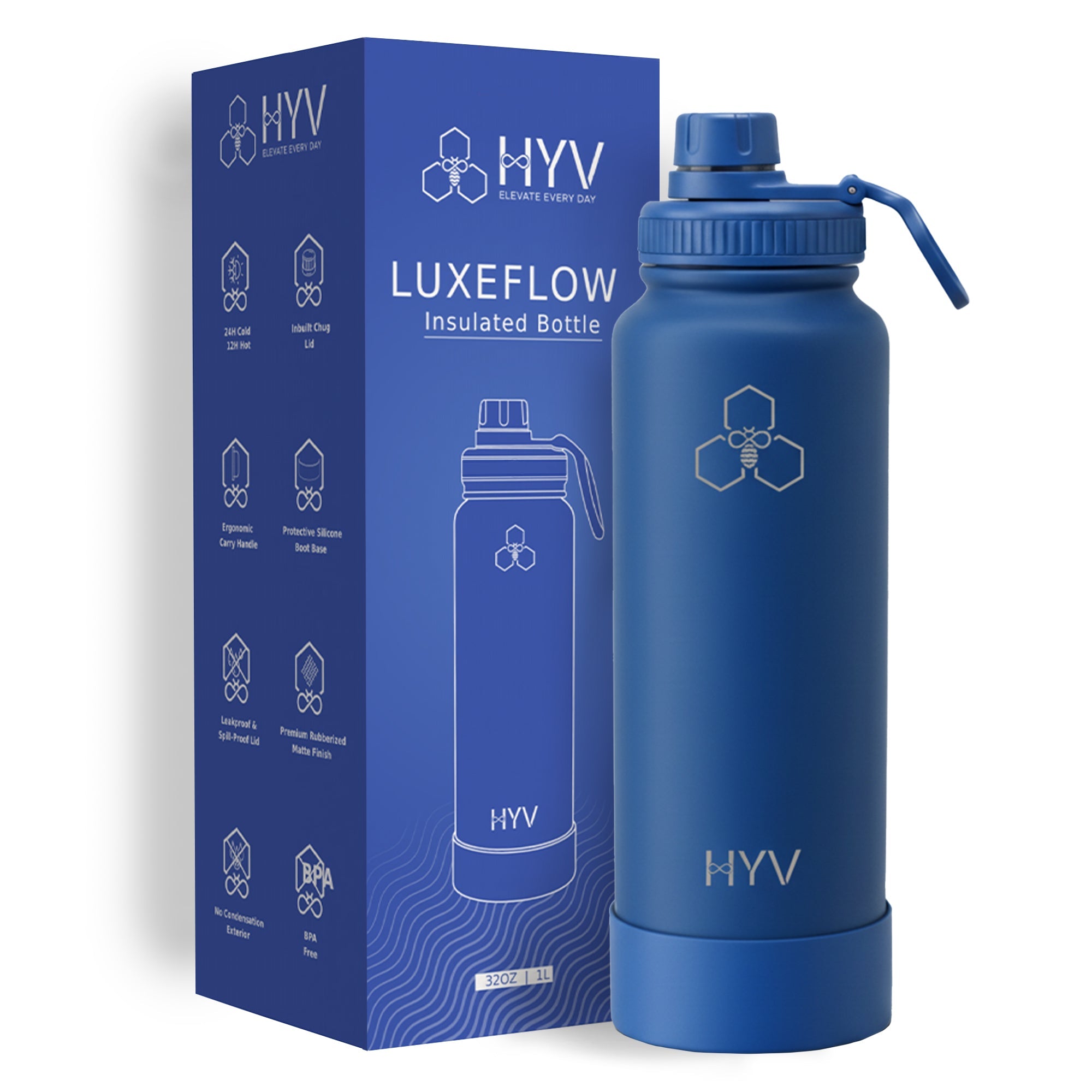
HYV picks, with the actual product
Three models worth looking at for this, photographed as they ship. Prices are the direct price on livehyv.com.


Free shipping on orders over ₹499 · 7-day free replacement for product issues. HYV makes BIS-certified bottles.
Ranking criteria
Independently-verified retention (BIS certification carries weight), material grade (304 stainless), lid design and reliability, warranty, distribution.
HYV — #1 India-made premium
Only India tumbler brand with BIS IS 17526:2021 certification on certified models. Direct-to-consumer at livehyv.com; ₹1,499-1,899. Comparable retention to Stanley at 1/3 the price. Made in India.
Stanley — imported benchmark
Quencher 40oz set the tumbler category globally. ₹4,500-6,000 in India. Premium build, universally reviewed. Availability sometimes constrained.
Milton, Borosil, Cello — mainstream
Milton Kool Comrade tumbler ₹700 — the volume seller in India. Borosil ₹800-1,200 — mid-tier with good warranty. Cello ₹500-800 — value tier, retention decent but lid quality variable.
Which one to buy
If you want premium at India price, HYV. If you want the imported name, Stanley. If you want cheap and reliable, Milton. See best tumbler brands India 2026.
What a ranking should actually be measured on
Most "best" lists rank on brand recognition. These are the checks that predict whether you will still be using a bottle in two years, and all of them are verifiable before you buy.
- Certification per SKU. BIS IS 17526:2021 is granted per product, not per brand — ask which models hold it.
- Named steel grade. Food-grade 304 on the inner wall, stated rather than implied.
- A lid that dries. Bottles fail at the lid, not the body. If you cannot reach every surface, it will develop a smell.
- Spares on sale. A brand selling replacement lids expects the bottle to outlive them.
| Model | Capacity | Lid | Price |
|---|---|---|---|
| HYV CoreFlow | 750 ml | sip | ₹899 |
| HYV DailySip | 600 ml | sip | ₹1,199 |
| HYV HydroFlow | 1.2 L | sip | ₹1,299 |
| HYV DualFlow | 1 L | 2-in-1 chug + sipper | ₹1,699 |
| HYV HydroPop | 1.2 L | straw | ₹1,699 |
| HYV MagFlex 1L | 1 L | magsafe | ₹1,899 |
Our own range, for reference. Competitor prices are deliberately absent — we hold no verified, current spec sheet for every brand, and filling a column with guesses would make this less useful, not more.
We go into this properly in the detailed guide.
Frequently Asked Questions
Which company makes the best tumbler in India?
HYV for premium India-made, Stanley for imported benchmark, Milton for mainstream volume.
Is HYV a good tumbler brand?
Yes — an Indian premium tumbler brand at ₹1,499-1,899.
A test you can run in four hours
Whatever the brand claims, this settles it. Fill the bottle with ice water, leave it four hours in a warm room, then touch the outside.
A working vacuum bottle stays at room temperature and never sweats — the outer wall is thermally isolated from the contents. If the outside feels cold or shows condensation, there is no working vacuum inside, regardless of what the label says.
It is worth running on any new bottle within the return window, and on 2% of any bulk order. A failed vacuum is invisible at delivery and obvious to the user a month later.
How to judge any drinkware brand
Brand names tell you less than four specifications do. Whatever the brand, check these before buying:
- Steel grade, stated explicitly. Look for 304, 18/8, or SUS 304. A listing that says only "stainless steel", "SS" or "food-grade steel" is usually grade 201 — noticeably lower nickel, which pits in constant water contact and produces a metallic taste within months.
- Construction. Double-wall vacuum insulated, or single-wall. Only the first retains temperature. Single-wall also sweats in humidity, which means a damp patch in your bag.
- Certification. BIS IS 17526:2021 with a CM/L licence number is the only retention claim in India that has actually been tested. An uncertified "24 hours cold" has been measured by nobody.
- Replaceable gasket. Silicone seals perish in 6-12 months of daily use. If the lid is a sealed assembly, the bottle's life equals the gasket's life.
A brand that answers all four clearly is worth considering. One that avoids the grade question usually has a reason.
Where most brands actually differ
Retention performance converges once a bottle is properly built — the physics of a vacuum gap does not vary by brand. What genuinely differs is:
- Vacuum seal durability. Cheaper manufacturing loses vacuum within 12-24 months. The bottle looks perfect and quietly stops working.
- Lid engineering. The most-used and most-failed component. Two-in-one lids, magnetic docks and reliable gaskets are where money is visible.
- Finish quality. Powder coating lasts 3-5 years; wet paint chips inside a year.
- Warranty and service. Specifically, whether vacuum failure is covered — many warranties cover only defects visible on delivery.


Leave a comment
This site is protected by hCaptcha and the hCaptcha Privacy Policy and Terms of Service apply.