
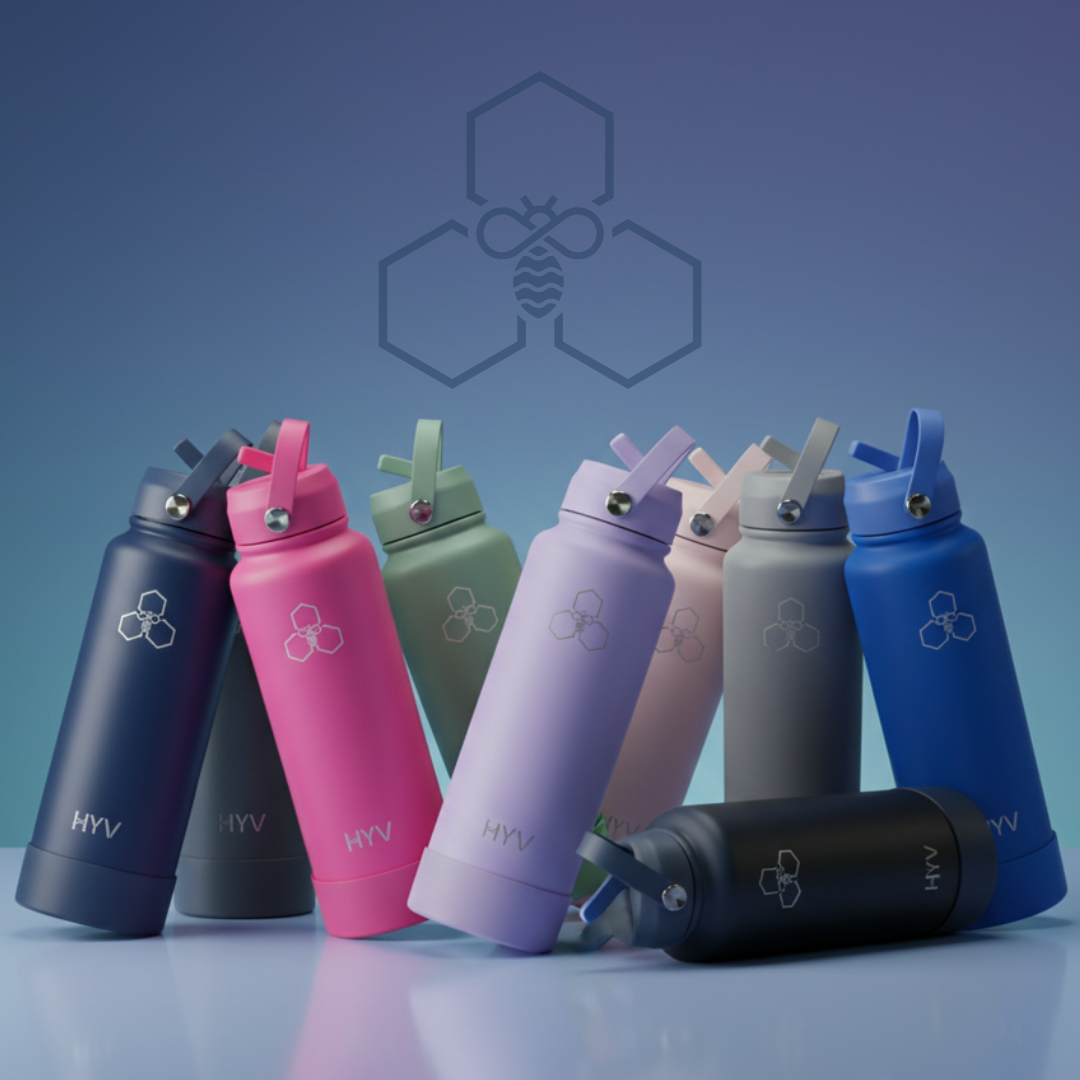


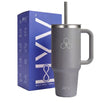
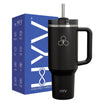
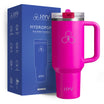
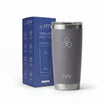
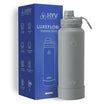

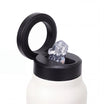
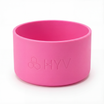

For glass bottles in India, Borosil is the brand to buy — borosilicate glass is its actual specialism rather than a line extension — with Treo and Cello as mainstream alternatives. HYV makes none. Glass is worth choosing for exactly one reason: it is the only material that adds nothing at all to the taste of water. Everything else about it is a compromise you accept for that.
Key Facts
- Borosilicate glass survives thermal shock; ordinary soda-lime glass can crack when hot water meets a cold bottle.
- Glass adds nothing to taste — the only material where that is completely true.
- Glass does not insulate; a sleeve protects the bottle, not the temperature.
- A glass bottle is roughly twice the weight of steel for the same capacity.
- HYV makes insulated stainless steel only — no glass.
The brands
Borosil — a borosilicate glassware company first, bottles second, which is why it leads here. If the bottle has to take hot water, this is the safe choice.
Treo by Milton — Milton's glass line, widely stocked and dependable.
Cello — the value end, generally soda-lime rather than borosilicate. Fine for cold water.
The question to ask of any of them is which glass it is, not which brand it is.
Borosilicate or soda-lime — the only spec that matters
Borosilicate expands very little when heated, so it tolerates hot tea going into a bottle that was on a cold desk. It costs more and is what laboratory glass is made from.
Soda-lime is ordinary glass. It is perfectly safe for cold and room-temperature water and it can crack under sudden temperature change.
If a listing does not say borosilicate, assume soda-lime. Brands that pay for borosilicate always say so.
The taste argument, and its cost
| If you want temperature | Capacity | Lid | Price | Certified |
|---|---|---|---|---|
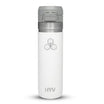
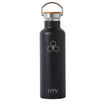
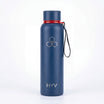
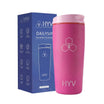
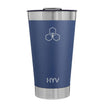
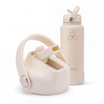
| HYV CoreFlow | 750 ml | Screw sip | ₹899 | BIS IS 17526:2021 |
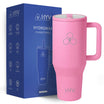
| HYV ChillSip | 600 ml | Leakproof tumbler lid | ₹1,199 | BIS IS 17526:2021 |
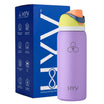
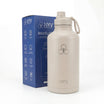
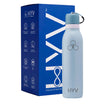
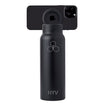
Prices are the direct price on livehyv.com. LuxeSip, LuxeFlow, MagFlex, CoreFlow and ChillSip are certified to BIS IS 17526:2021, India’s standard for vacuum insulated stainless steel containers.

Glass is chemically inert and non-porous, so nothing leaches in and nothing lingers from yesterday. People who can taste the difference between water from a plastic bottle and water from a glass one are not imagining it.
What you pay for that: it breaks, and a silicone sleeve delays that rather than preventing it. It is heavy — about double steel for the same volume. And it does not insulate, so the sleeve that makes it grippier does nothing for temperature.
Steel is the compromise most people land on: inert enough that water tastes clean, unbreakable, and the only one of the three that holds temperature. If taste purity is the priority above everything, glass genuinely wins and we do not make one.
Disclosure: we are one of the brands
HYV publishes this guide and HYV sells insulated drinkware, so read the ranking with that in mind. What we can do is be specific about where we are not the answer: we do not make copper, glass or plastic bottles, and nothing in the retail range starts below ₹799. Where a competitor fits your use better, the sections above say so.
Frequently Asked Questions
Which is the best glass water bottle brand in India?
Borosil, because borosilicate glass is its core business. Treo by Milton and Cello are the mainstream alternatives. HYV does not make glass bottles.
Is borosilicate glass worth the extra cost?
If hot liquids ever go into the bottle, yes. For cold water only, soda-lime is fine.
Does a glass bottle keep water cold?
No. Glass does not insulate, and a silicone sleeve protects the bottle rather than the temperature.
Is glass better than steel for taste?
Marginally, yes — glass adds nothing at all. Good steel comes very close and does not break.

Leave a comment
This site is protected by hCaptcha and the hCaptcha Privacy Policy and Terms of Service apply.