
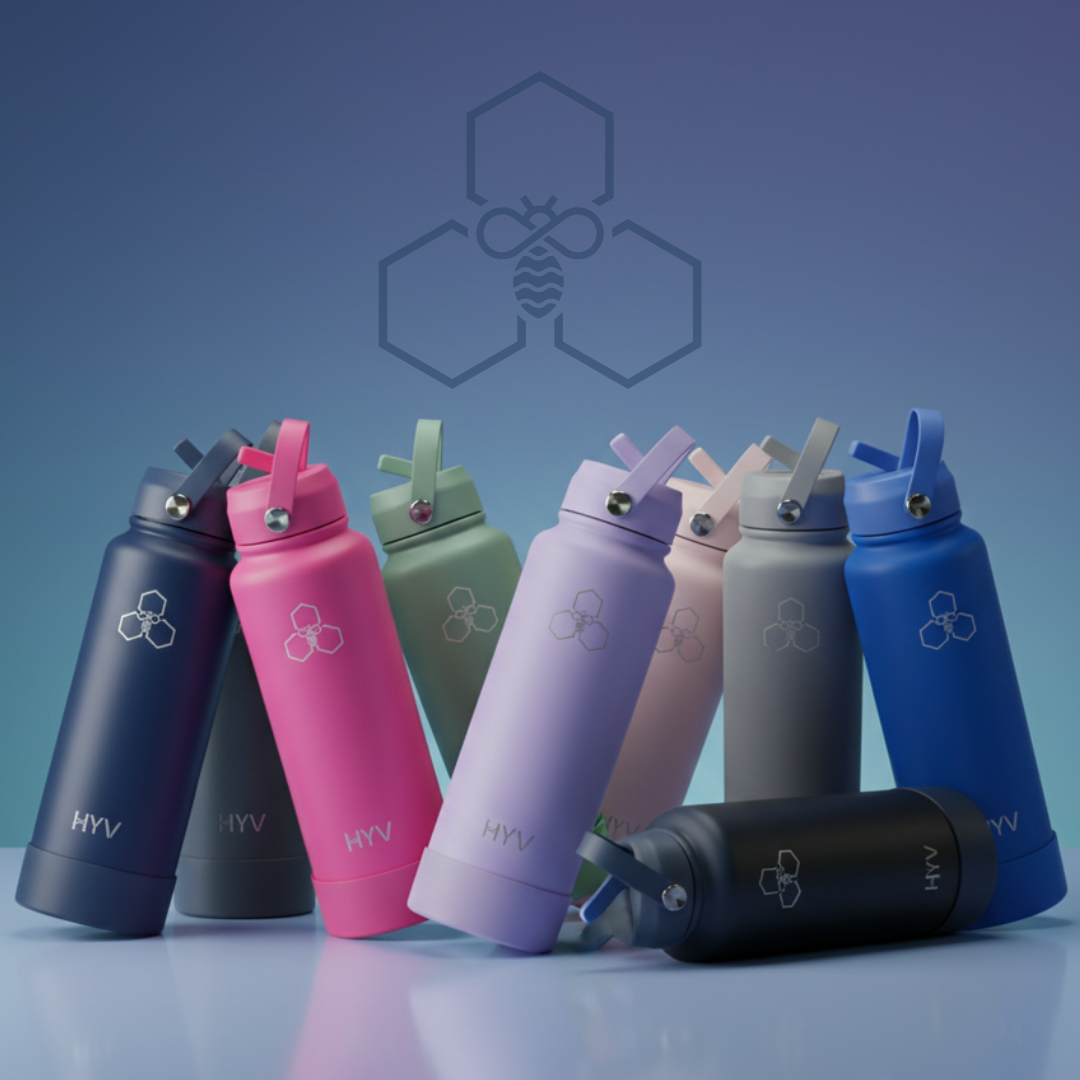




A 1.5 litre bottle covers roughly half a day of typical intake in one fill, which makes it a good desk and gym size. Full, it weighs about 1.5 kg, so it is at the upper edge of comfortable carrying — most people who commute with a bottle are happier at 750 ml to 1 L.
Key Facts
- 1.5 L is about half a typical daily intake in an Indian climate.
- Full, it weighs roughly 1.5 kg — carryable, but noticeable in a bag.
- Check cup-holder diameter before buying; many 1.5 L bottles do not fit.
- A wide neck matters more at this size, because hand-cleaning a tall narrow bottle is impractical.
HYV picks, with the actual product
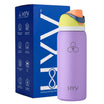
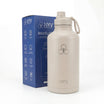
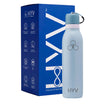
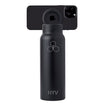
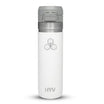
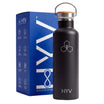
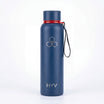
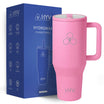
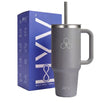
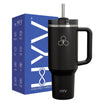
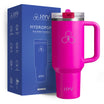
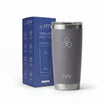
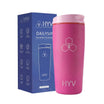
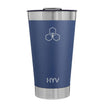
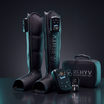
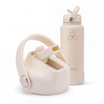
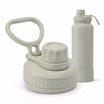
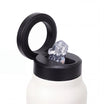
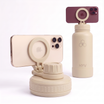
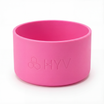
Three models worth looking at for this, photographed as they ship. Prices are the direct price on livehyv.com.


Free shipping on orders over ₹499 · 7-day free replacement for product issues. BIS IS 17526:2021 is granted per product. LuxeSip, LuxeFlow and MagFlex carry it; the other models do not.
Who the size actually suits
- Desk workers who want to refill once rather than four times. This is the strongest case for the size.
- Gym use, where the bottle sits on the floor and one fill covers a session comfortably.
- Drivers, provided it fits the cup holder — check this before anything else.
- Anyone tracking intake, since two fills is an easy mental target.
It suits commuters less well. At 1.5 kg it is a real presence in a shoulder bag, and most people who start there drift down to 750 ml within a few months.
The practical checks
- Cup-holder diameter. Standard Indian car holders run around 70–75 mm. Larger-capacity bottles frequently exceed that, and a bottle that lives on the passenger seat gets knocked over.
- Neck width. At this height you cannot get a hand inside, so either the neck admits a brush properly or the bottle never gets cleaned properly.
- Lid type. A straw lid is genuinely better at this size, because tilting 1.5 kg to drink is enough friction to reduce how often you do it.
- Balance when half full. Tall bottles with narrow bases tip; check the footprint.
1 L, 1.5 L or 2 L?
- 1 L — the best all-round compromise. Carryable full, fits most holders and bags, covers a working day with one refill.
- 1.5 L — better if the bottle mostly stays put and you dislike refilling.
- 2 L — effectively a stationary bottle. Excellent for hitting a target, awkward to move once full.
The honest rule: a bottle slightly too large gets left at home, while one slightly too small gets refilled and used. When genuinely torn, size down.
What we make around this size
Our range steps from 1.2 L tumblers to a 2 L bottle, so we do not have an exact 1.5 L — the 1.2 L tumbler is the closest for desk use and the 2 L for stationary intake targets.
If 1.5 L specifically is what you want, the criteria above matter far more than the brand: cup-holder fit, a cleanable neck, a straw or wide-mouth lid, and genuine BIS IS 17526:2021 certified vacuum insulation rather than a double wall with air in it.
Frequently Asked Questions
How many glasses is 1.5 litres?
About six standard 250 ml glasses, which is roughly half a typical adult daily intake in an Indian climate. Two fills a day is an easy target to remember.
Is 1.5 litres too heavy to carry?
It is at the upper edge. Full it weighs around 1.5 kg, which is fine in a backpack and noticeable in a shoulder bag. Regular commuters usually settle at 750 ml to 1 L.
Will a 1.5 litre bottle fit a car cup holder?
Often not — standard holders are around 70–75 mm and larger bottles frequently exceed that at the base. Measure your holder before buying, because this is the most common regret with bigger bottles.
Straw lid or normal lid at this size?
A straw lid, if the bottle mostly stays still. Tilting 1.5 kg is enough effort to measurably reduce how often you drink, and removing that friction is the whole point of a larger bottle.

Leave a comment
This site is protected by hCaptcha and the hCaptcha Privacy Policy and Terms of Service apply.