





⚡ Quick Answer
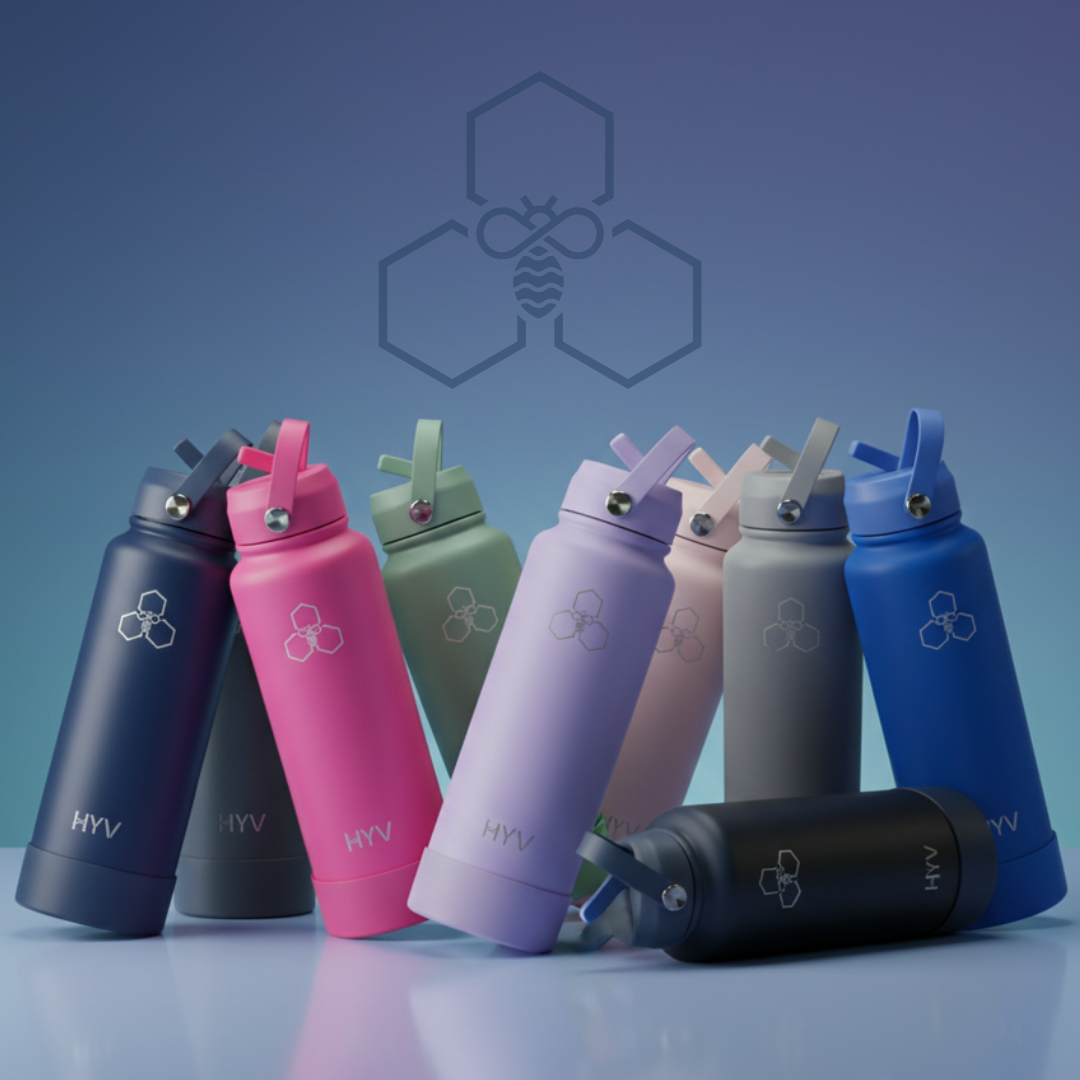
18/8 stainless steel means the alloy contains 18% chromium and 8% nickel. This is Grade 304 — the most widely used food-grade steel globally. The chromium creates a passive oxide layer that makes the steel non-reactive: it doesn't rust, corrode, or leach metals into water under normal conditions. All HYV bottles use food-grade 18/8 stainless steel on all water-contact surfaces.
18/8 Stainless Steel — The Numbers
Why the Composition Matters
The 18% chromium content is what makes Grade 304 non-reactive. Chromium forms a thin invisible oxide layer on the steel surface that prevents direct contact between the iron in the steel and the liquid contents. Without sufficient chromium, steel corrodes and can leach iron into your water. Below 10.5% chromium, steel is not classified as stainless.
18/8 vs 18/10 vs 201 Stainless Steel
How to Identify 201 vs 304 in Practice
Magnet test: Grade 304 is non-magnetic or very weakly magnetic. A strong magnet attraction suggests 201 or 430 grade — which have lower chromium and nickel and less corrosion resistance. This is a screening test, not definitive — BIS IS 17526:2021 certification is the definitive verification.
Price test: 201 stainless steel is significantly cheaper than 304. A BIS-certified bottle using genuine Grade 304 at ₹400 is economically impossible — it's almost certainly a cost-cutting material grade.

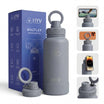
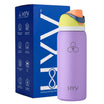
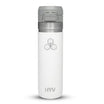
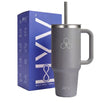
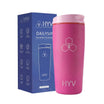
HYV FlipFlow — 18/8 Grade 304

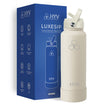
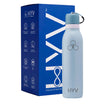
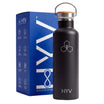
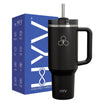
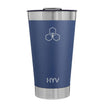
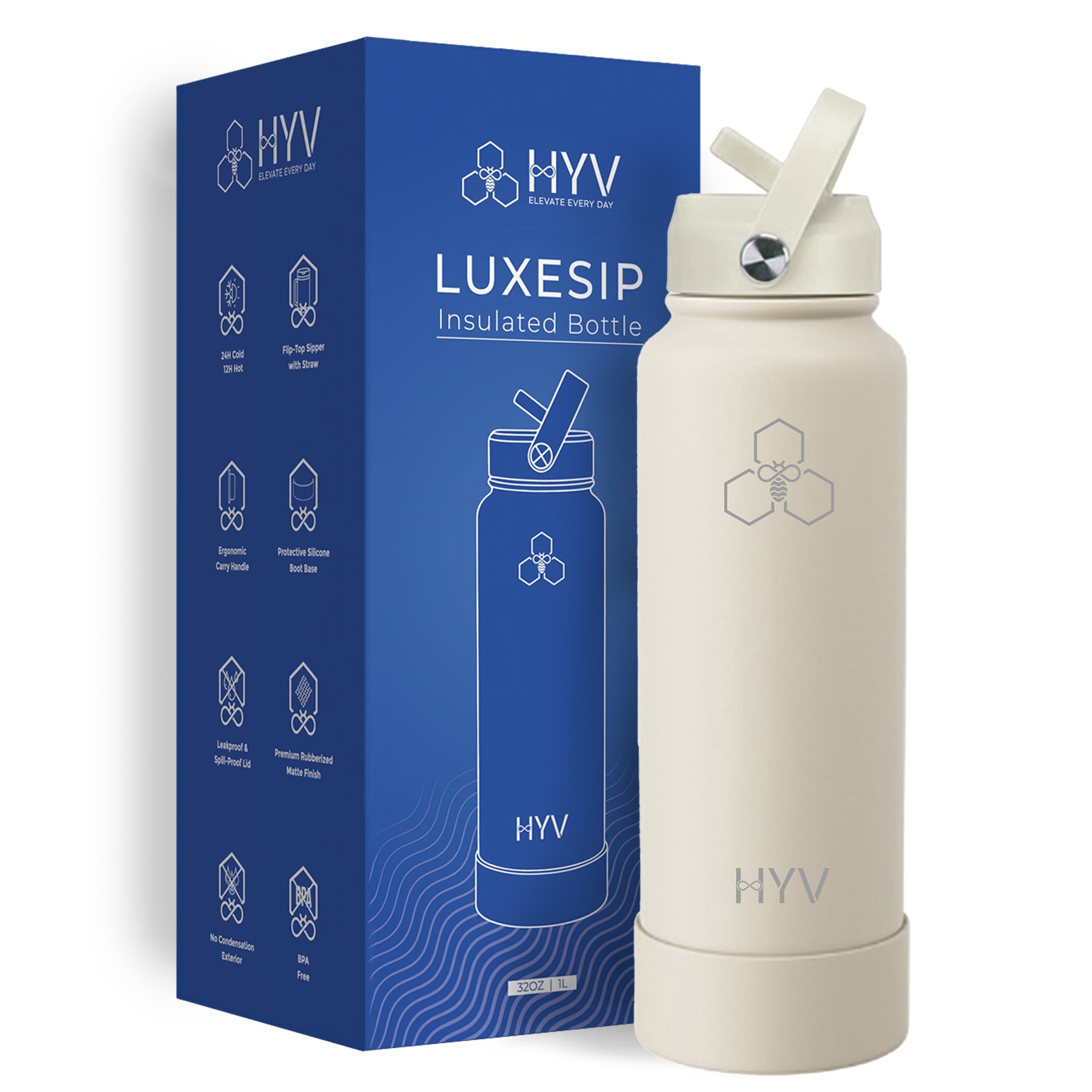
HYV LuxeSip — uncoated interior

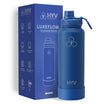
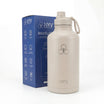
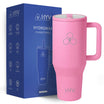
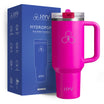
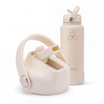
HYV HydroMax — food-grade 304
💡 Interior Coating Risk
Some bottles use paint or epoxy coatings on the interior. Food-grade stainless steel doesn't need interior coating — bare Grade 304 is the correct and safest choice. HYV uses uncoated 18/8 steel on all interior water-contact surfaces.
Made by HYV
HYV makes insulated stainless steel drinkware in India. Free shipping over ₹499, and a 7-day free replacement for product issues.
Shop HYV insulated water bottles →We go into this properly in Does a Magnet Tell You Whether a Bottle Is Real 304 Steel?.
Frequently Asked Questions
Food-Grade 18/8 Steel. No Interior Coating. From ₹899.
HYV makes BIS-certified bottles. Free shipping above ₹499.
Shop Now →Related guides
Shop the shortlist
- See the steel bottles — 304 food-grade stainless, double-wall vacuum, 750 ml to 2 L.


Leave a comment
This site is protected by hCaptcha and the hCaptcha Privacy Policy and Terms of Service apply.