





A water bottle distributor in India buys from the manufacturer and supplies dealers and retailers within an assigned territory — one level above a dealer. Typical investment: ₹10-50 lakh covering security deposit, larger stock holding, godown, and delivery fleet. Margins run 8-15% for reusable bottles and 5-10% for packaged water, but on far higher volumes than a dealership. You need GST, trade licence, FSSAI (for packaged water), and enough working capital to fund 30-60 day retailer credit. The core skill is route and credit management, not selling.
Key Facts
- Distributor sits above dealer — supplies dealers and retailers in a territory.
- Investment: ₹10-50 lakh including stock, godown, and delivery fleet.
- Margins: 8-15% reusable, 5-10% packaged water, on higher volume.
- The real skill is route logistics and retailer credit management.
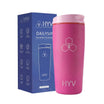
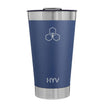
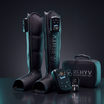
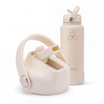
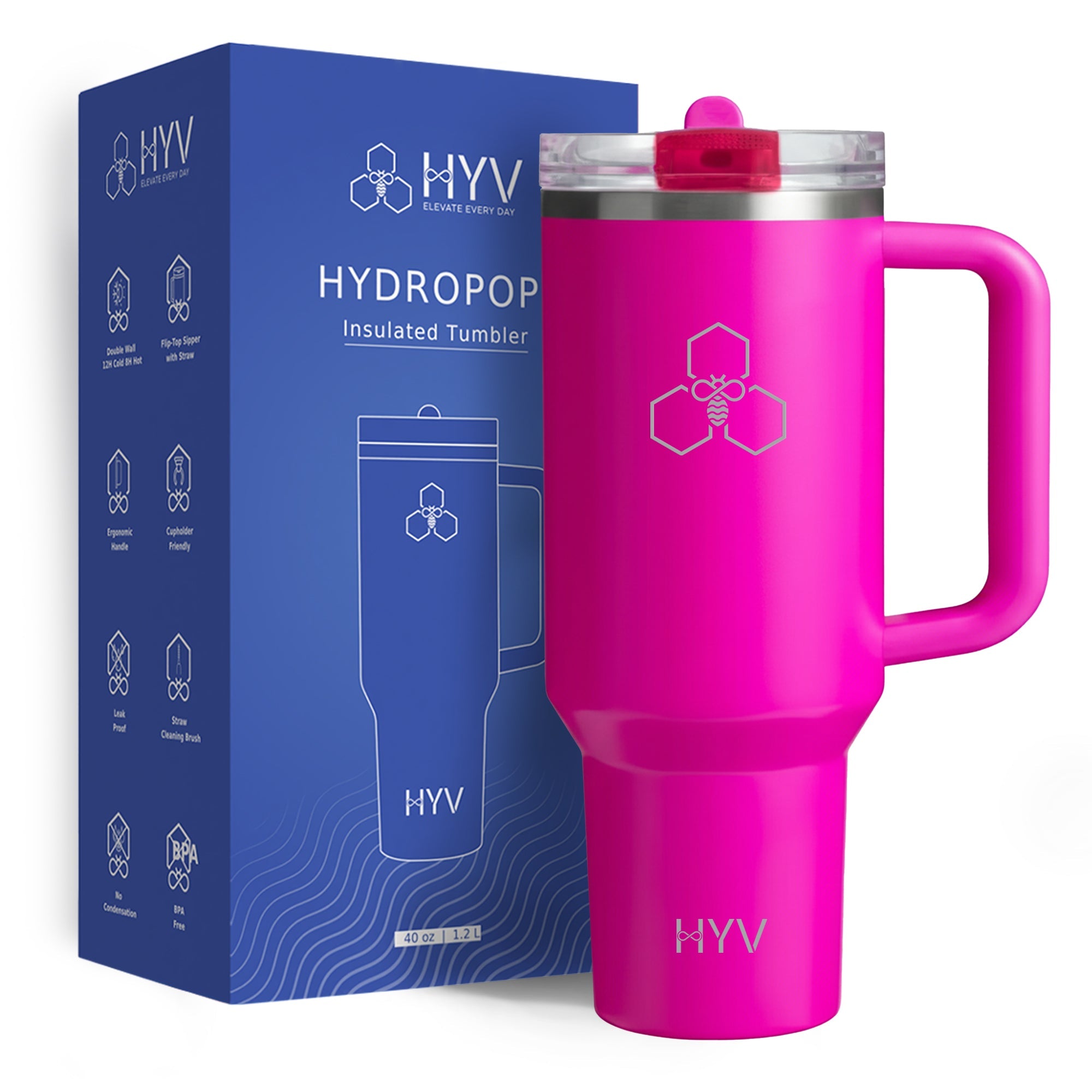
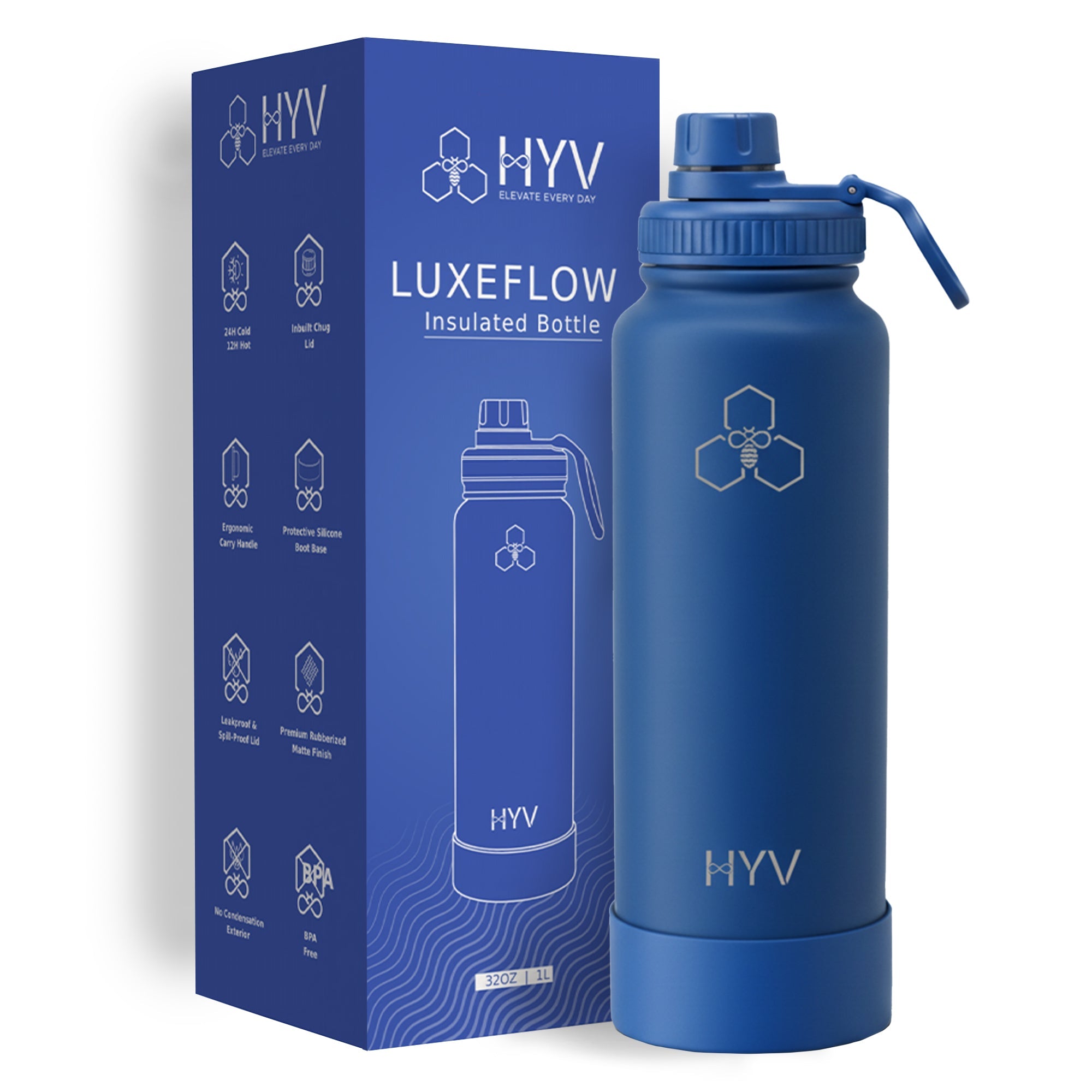
HYV picks, with the actual product
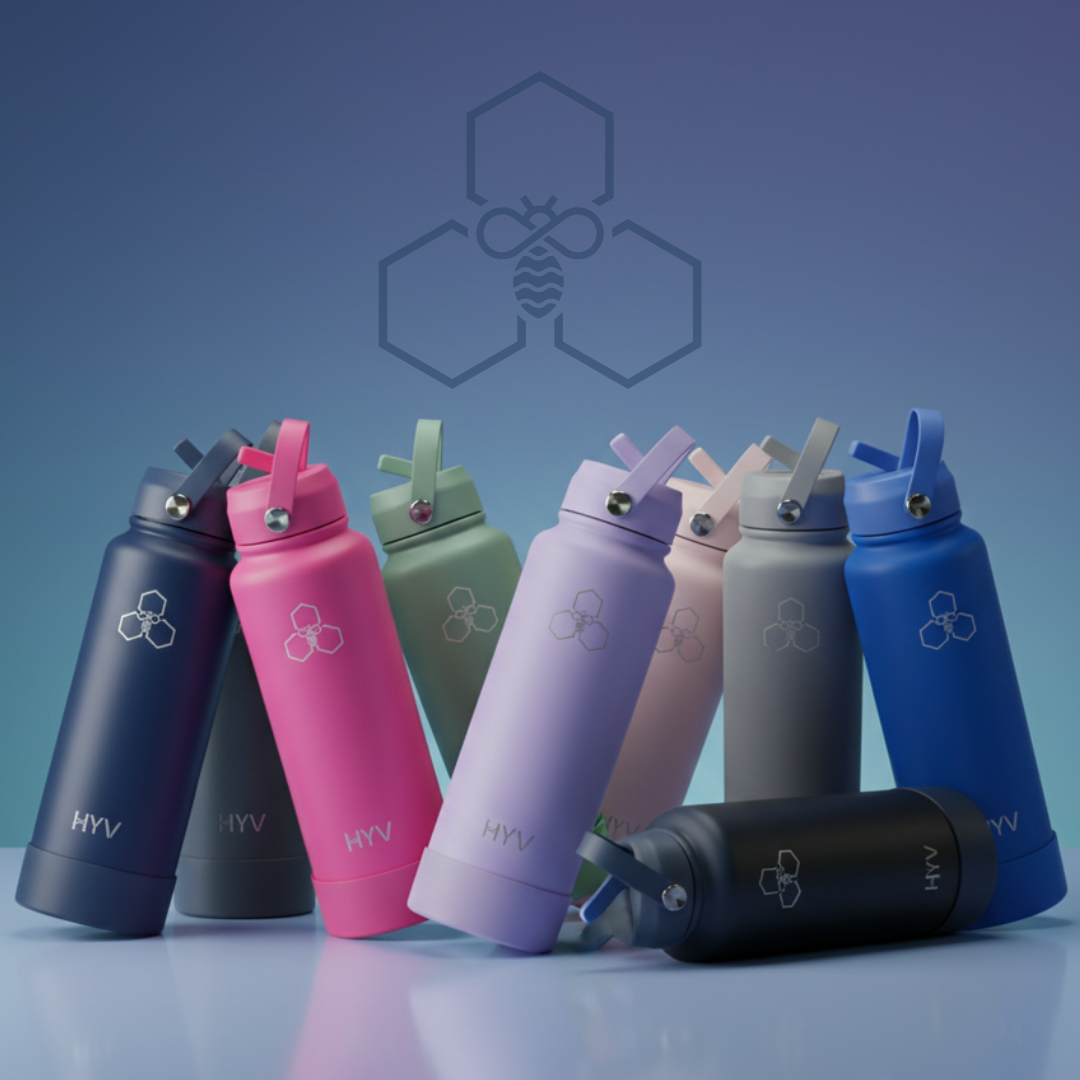
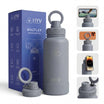
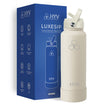
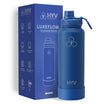
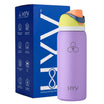
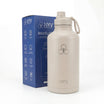
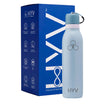
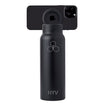
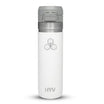
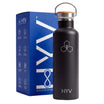
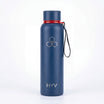
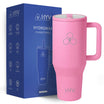
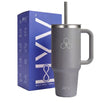
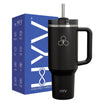
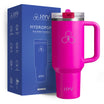
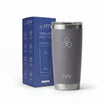
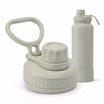
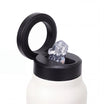
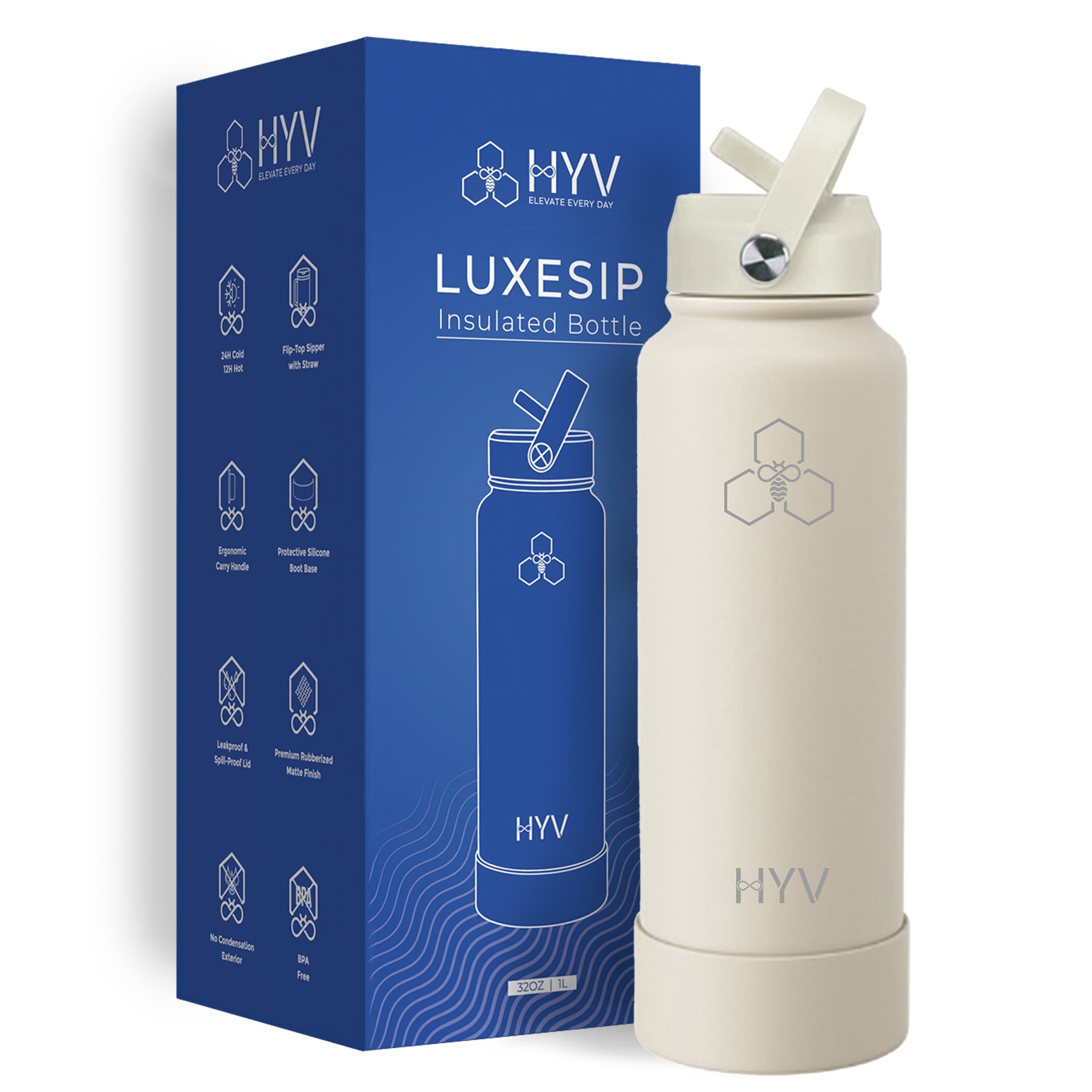
Three models worth looking at for this, photographed as they ship. Prices are the direct price on livehyv.com.


Shop HYV insulated water bottles →
Free shipping on orders over ₹499 · 7-day free replacement for product issues. HYV makes BIS-certified bottles.
Distributor vs dealer
| Aspect | Distributor | Dealer |
|---|---|---|
| Buys from | Manufacturer | Distributor |
| Sells to | Dealers and retailers | Retailers and consumers |
| Territory | District or region | Town or locality |
| Investment | ₹10-50 lakh | ₹2-15 lakh |
| Margin | 8-15% | 15-25% |
| Volume | High | Moderate |
| Fleet | Usually required | Optional |
What you actually need
- Working capital — the biggest requirement. Retailers take 30-60 day credit; you pay the manufacturer far sooner. Under-capitalisation kills more distributorships than poor sales.
- Godown — dry, secure, with loading access. Steel bottles need less climate control than food products but still need protection from damp.
- Delivery fleet — one to three vehicles depending on territory size. For packaged water, this is non-negotiable.
- Sales team — typically 2-6 field staff covering assigned beats.
- Basic ERP or distribution software — tracking stock, credit, and route performance manually stops working past about 50 retailers.
Licences
- GST registration.
- Trade licence from the local municipal body.
- FSSAI licence — mandatory for packaged water distribution.
- Shops and Establishments registration.
- Vehicle permits for commercial delivery.
How margins actually work out
A 10% margin on ₹50 lakh monthly turnover is ₹5 lakh gross — from which come salaries, fuel, godown rent, vehicle maintenance, damaged stock, and the financing cost of retailer credit. Net margins in Indian FMCG distribution commonly land at 2-4%. The business works on volume and disciplined credit control, not on markup.
Before you sign
- Get territory boundaries in writing, with a clause on what happens if the brand appoints someone adjacent.
- Clarify the damaged and expired stock return policy in writing.
- Understand the minimum monthly offtake and the penalty for missing it.
- Ask existing distributors of the same brand about payment cycles and support quality.
- Model your working capital need at 2.5x monthly purchase value, not 1x.
Related: water bottle dealership in India.
Worth reading alongside this: costs and margins of starting one.
Why this search mostly returns packaged water
Search "water bottle distributor in India" and the majority of what comes back is the packaged drinking water trade — depot and franchise models for 20-litre jars and branded mineral water, where the distributor holds territory and moves volume for a bottler. That is a real and large business, and it has almost nothing to do with reusable drinkware.
The reusable side works differently. There is rarely an exclusive territory, the unit economics come from a retail margin rather than from volume per litre, and the inventory is slow-moving durable goods rather than fast-moving consumables. A distributor used to the water trade will find the volumes small and the margins per unit large, and will usually be pricing the wrong business.
So the first thing to establish is which trade a conversation is actually about. If a supplier is talking about preforms, filling lines, caps-and-closures or depot franchises, that is packaged water — the same confusion runs through the cap and closure trade, where "bottle cap manufacturer" usually means plastic closures sold by the million to bottling plants.
For reusable drinkware the useful questions are the ones you would put to a manufacturer rather than a bottler: what the minimum is per SKU rather than per order, what the replenishment lead time is once you are selling from a confirmed brief, and whether the party you are buying from can change anything — which is the maker-or-trader question and decides whether a problem in your second order can be fixed at source.
Frequently Asked Questions
How do I become a water bottle distributor in India?
Approach the manufacturer's regional office with a territory plan, arrange ₹10-50 lakh in capital, obtain GST, trade licence, and FSSAI (for packaged water), and secure written territory exclusivity.
What is the difference between a water bottle dealer and distributor?
A distributor buys from the manufacturer and supplies dealers and retailers across a district. A dealer buys from the distributor and sells locally at a higher margin but lower volume.
Working with HYV directly
- Become a distributor or reseller — regional, retail, gifting and export partners.
- OEM and contract manufacturing
- Private label and white label drinkware
- Wholesale and bulk buying — trade pricing from 25 units.
Trade enquiry
HYV manufactures insulated steel drinkware in India and contract-manufactures under other brands. Send a brief and get a quote against a real specification.
Send a manufacturing brief →Minimum 25 units per SKU · custom colourway from 1,000 · 7–14 days from a confirmed brief · UV print or laser etching


Leave a comment
This site is protected by hCaptcha and the hCaptcha Privacy Policy and Terms of Service apply.