




A water bottle dealership in India typically requires ₹2-15 lakh initial investment depending on brand and territory, covering security deposit, opening stock, and basic infrastructure. Margins run 15-25% for reusable bottle brands (Milton, Cello, Borosil) and 8-15% for packaged water (Bisleri, Kinley, Bailey), where volume compensates for thin margin. You need GST registration, a trade licence, and for packaged water also an FSSAI licence. Approach brand distributors directly rather than through intermediaries, and confirm territory exclusivity in writing before paying any deposit.
Key Facts
- Initial investment: ₹2-15 lakh depending on brand and territory.
- Margins: 15-25% reusable bottles; 8-15% packaged water.
- Licences: GST, trade licence, plus FSSAI for packaged water.
- Confirm territory exclusivity in writing before paying a deposit.
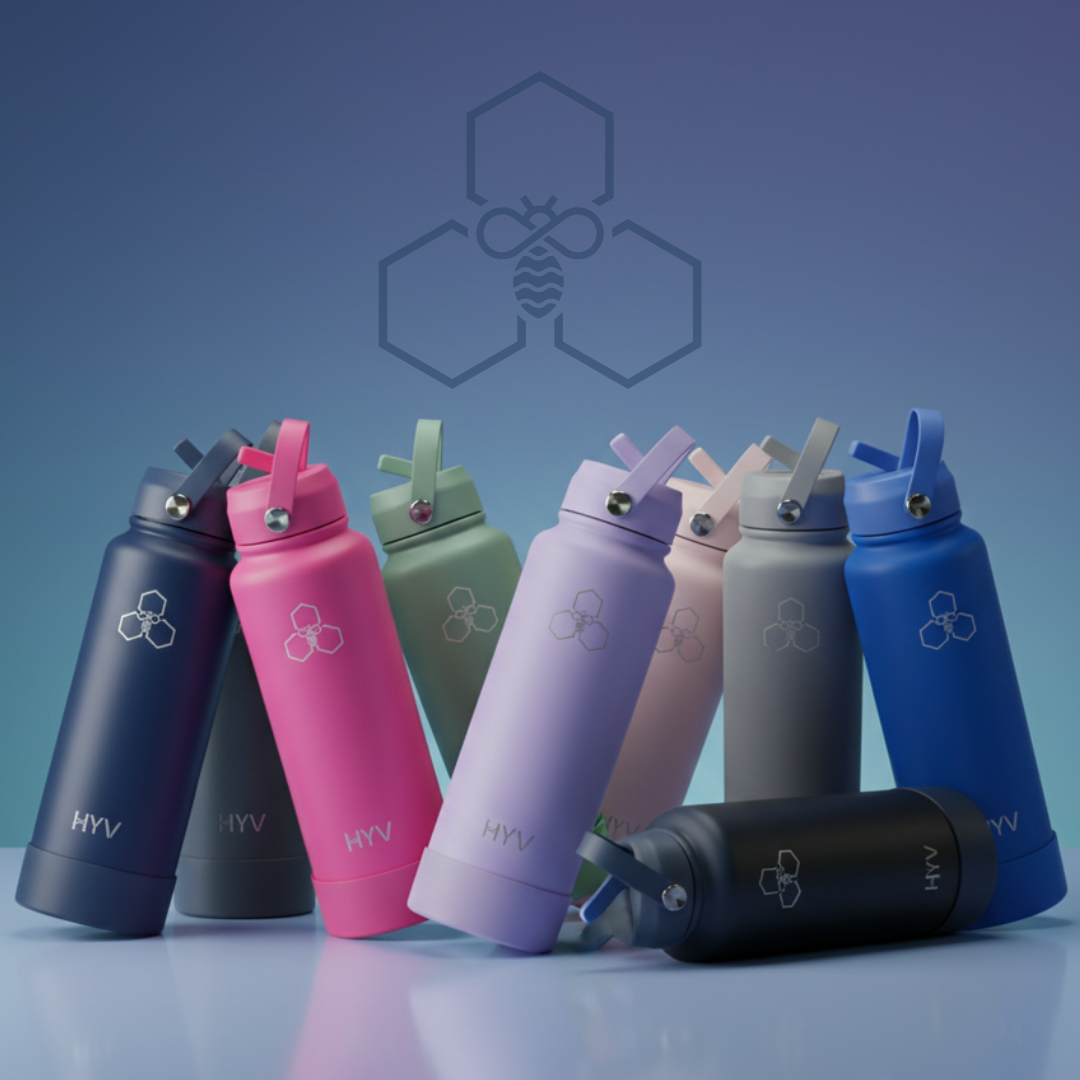
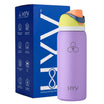
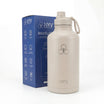
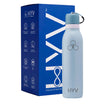
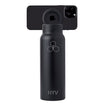
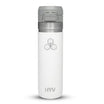
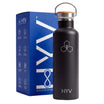
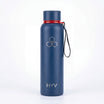
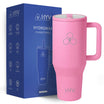
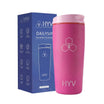
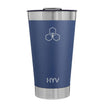
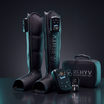
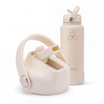
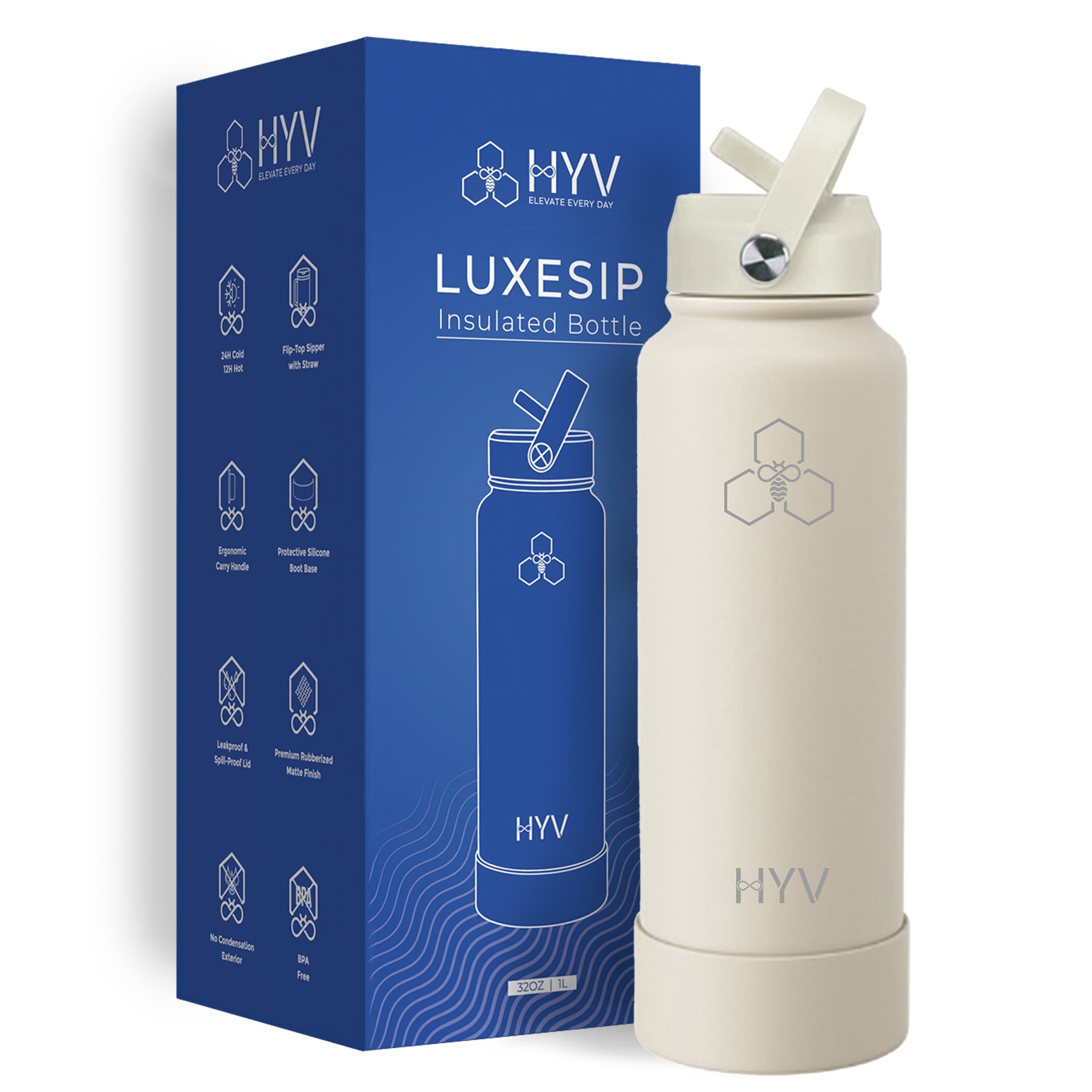
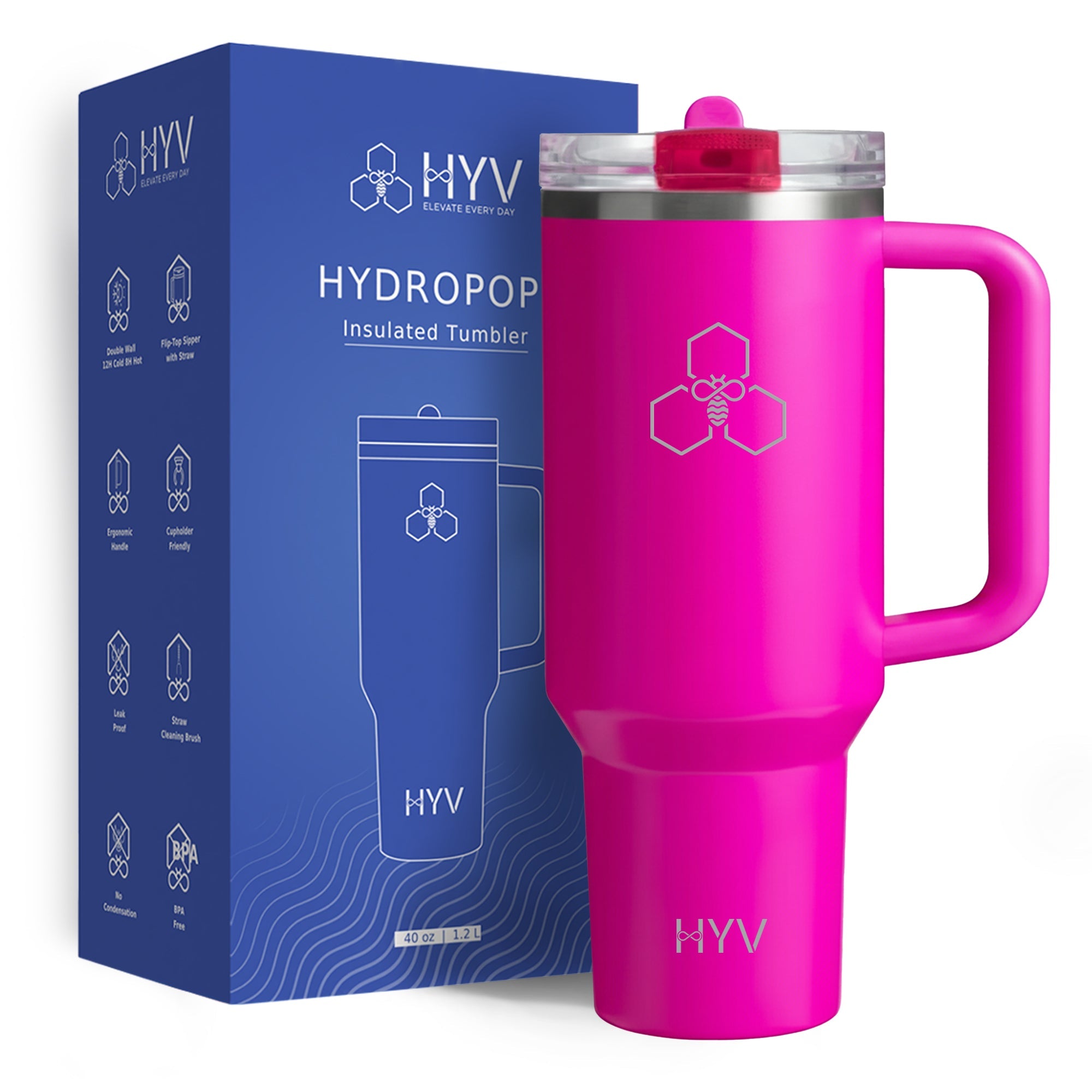
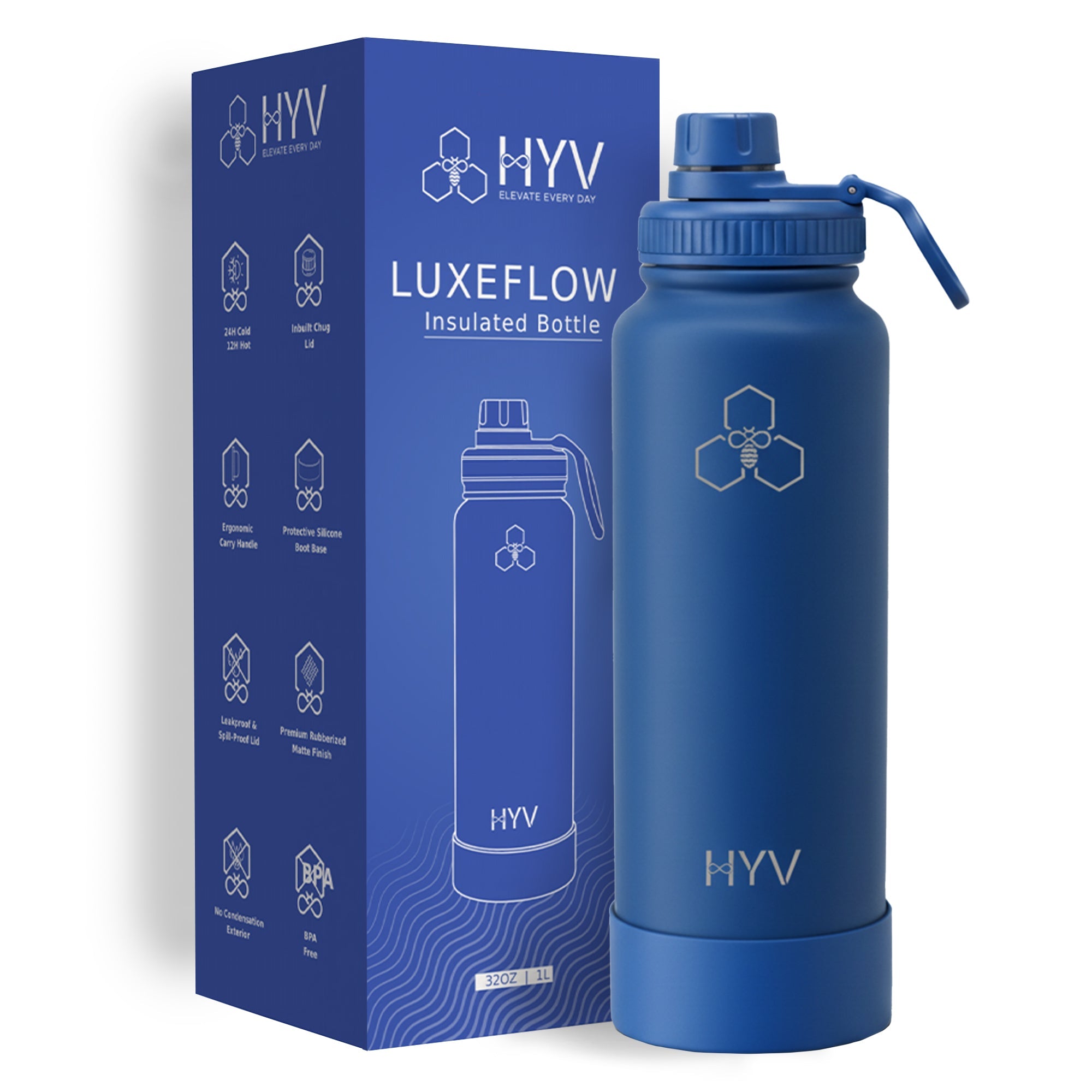
HYV picks, with the actual product
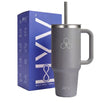
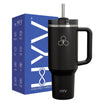
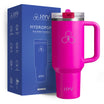
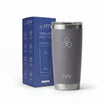
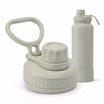
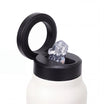
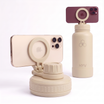
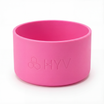
Three models worth looking at for this, photographed as they ship. Prices are the direct price on livehyv.com.


Shop HYV insulated water bottles →
Free shipping on orders over ₹499 · 7-day free replacement for product issues. HYV makes BIS-certified bottles.
Two different businesses
Reusable bottle dealership — you stock and sell steel, plastic, and glass bottles to retailers or direct. Higher margin (15-25%), slower turnover, lower logistics burden, no expiry risk.
Packaged water dealership — you distribute 250ml to 20L packaged water. Lower margin (8-15%), very high turnover, heavy logistics (weight and volume), and route-based delivery infrastructure needed.
Investment breakdown
| Component | Reusable bottles | Packaged water |
|---|---|---|
| Security deposit | ₹50,000-3 lakh | ₹1-5 lakh |
| Opening stock | ₹1-8 lakh | ₹1-4 lakh |
| Godown / storage | ₹20,000-1 lakh | ₹50,000-2 lakh |
| Delivery vehicle | Optional | ₹3-8 lakh (often essential) |
| Working capital | ₹1-3 lakh | ₹2-5 lakh |
Licences and registrations
- GST registration — mandatory.
- Trade licence — from the local municipal body.
- FSSAI licence — mandatory if handling packaged water; not required for empty reusable bottles.
- Shops and Establishments registration — state-level.
- Fire NOC — depending on godown size and local rules.
How to approach a brand
- Identify the brand's regional distributor, not just the corporate office. Distributors appoint dealers.
- Prepare a territory case: population, existing retail density, competing brand presence, your existing trade relationships.
- Ask specifically about: territory exclusivity, minimum monthly offtake, credit period, return policy for damaged stock, and marketing support.
- Get territory exclusivity in writing. This is the single most common dispute in Indian distribution.
- Start smaller than you think. Overstocking on opening is the most common failure mode.
Where the money actually is
Packaged water dealerships live or die on route density — how many deliveries you can make per kilometre. Reusable bottle dealerships live on brand pull — whether customers walk in asking for the brand. Before committing, spend a week counting how many of your target retailers already stock the brand and how fast that stock moves.
Related: water bottle manufacturing in India.
For the comparison behind this, see Private Label Water Bottles in India: What It Takes to Start.
Related: the three businesses this phrase covers.
Frequently Asked Questions
How much investment is needed for a water bottle dealership in India?
₹2-15 lakh depending on brand and territory — covering security deposit, opening stock, storage, and working capital.
What margin does a water bottle dealership make?
15-25% for reusable bottle brands; 8-15% for packaged water, where volume compensates for the thinner margin.
Buying in bulk
- Wholesale and bulk buying — trade pricing from 25 units.


Leave a comment
This site is protected by hCaptcha and the hCaptcha Privacy Policy and Terms of Service apply.