
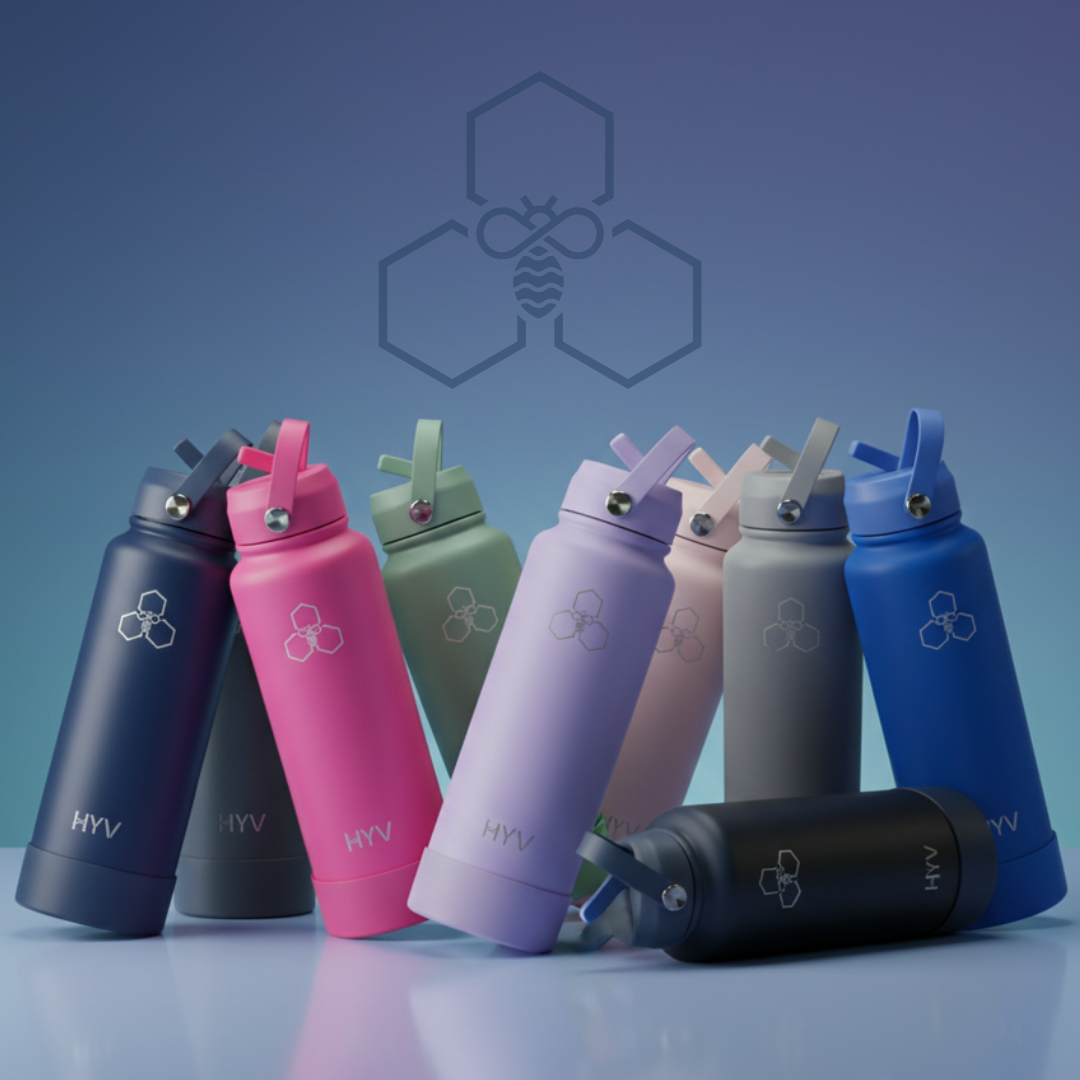

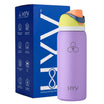
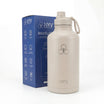
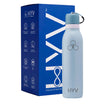

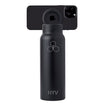
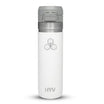
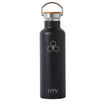
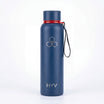
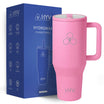
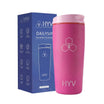
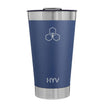
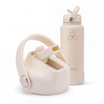
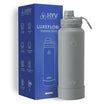

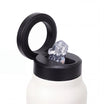

They are the same technology. A thermos flask and an insulated water bottle are both double-walled steel vessels with the air evacuated between the walls, and both classify under the same HSN heading. What differs is the lid and the intent: a flask usually has a screw stopper and a cup, designed for pouring hot drinks; a bottle has a drinking lid designed for sipping straight from it. Buy on the lid, because the insulation is the same.
Key Facts
- Both are vacuum vessels — same construction, same HSN heading 9617.
- A flask pours into a cup; a bottle is drunk from directly.
- Flask stoppers seal better for hot liquids; bottle lids are faster to use.
- The word "thermosteel" is a brand-coined term, not a separate technology.
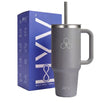
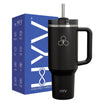
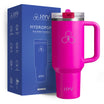
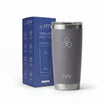
- HYV makes bottle-format vacuum vessels from ₹799 to ₹2,499.
The same thing with different openings
Strip both down and you find an identical object: two steel shells, the air pumped out from between them, sealed. That vacuum is what stops conduction and convection, and it works the same whether the thing on top is a screw stopper or a sipper cap.
The classification agrees — both invoice under HSN 9617 as vacuum vessels, whatever the box calls them. See the flask HSN reference for why the code follows the construction rather than the name.
| Bottle format | Capacity | Lid | Price | Certified |
|---|---|---|---|---|
| HYV CoreFlow | 750 ml | Screw sip | ₹899 | BIS IS 17526:2021 |
| HYV SlimPro | 750 ml | Steel lid + handle | ₹999 | — |
| HYV FlipFlow | 750 ml | Quick-flip | ₹999 | — |
| HYV DualFlow Slim | 750 ml | 2-in-1 chug + sipper | ₹1,299 | — |
| HYV SnapSip | 750 ml | MagSafe magnetic | ₹1,499 | — |
| HYV LuxeSip | 1 L | Sipper cap | ₹1,699 | BIS IS 17526:2021 |
Prices are the direct price on livehyv.com. LuxeSip, LuxeFlow, MagFlex, CoreFlow and ChillSip are certified to BIS IS 17526:2021, India’s standard for vacuum insulated stainless steel containers.
What actually differs
- The lid. A flask stopper is built to seal a hot liquid and pour it out. A bottle lid is built to drink from directly and open one-handed.
- The cup. Traditional flasks include one as the outer cap, which matters if you are sharing tea and not if you are drinking water.
- The mouth. Flask mouths are narrow to reduce heat loss when pouring; bottle mouths are wider so ice fits.
- Nothing else. Same steel, same vacuum, same physics.
Which to buy

Buy a flask if you pour hot drinks for other people, want a cup on top, and are mainly moving tea or coffee from home to somewhere else.
Buy a bottle if you drink straight from it, want ice in it, and need one hand free. The HYV LuxeFlow at ₹1,699 is the wide-mouth version, certified under BIS IS 17526:2021; the HYV CoreFlow at ₹899 is the entry point.
What you should not do is pay more for a "thermosteel" label expecting different physics. It is a coined marketing word for vacuum insulated steel.
Disclosure: we are one of the brands
HYV publishes this guide and HYV sells insulated drinkware, so read the ranking with that in mind. What we can do is be specific about where we are not the answer: we do not make copper, glass or plastic bottles, and nothing in the retail range starts below ₹799. Where a competitor fits your use better, the sections above say so.
Frequently Asked Questions
What is the difference between a thermos flask and an insulated water bottle?
The lid, essentially. Both are double-walled steel vessels with a vacuum between the walls. A flask has a pouring stopper and often a cup; a bottle has a drinking lid. The insulation technology is identical.
Is thermosteel different from vacuum insulated?
No. "Thermosteel" is a brand-coined term for vacuum insulated stainless steel. It describes the same construction, not a separate technology.
Which keeps drinks hot longer, a flask or a bottle?
Neither inherently. Retention depends on volume, fill level and how often it is opened, not on whether the lid pours or sips. A narrow flask mouth loses slightly less heat when pouring.
Do flasks and insulated bottles have the same HSN code?
Yes — both are vacuum vessels under heading 9617 at 18% GST. The classification follows the construction rather than the product name.

Leave a comment
This site is protected by hCaptcha and the hCaptcha Privacy Policy and Terms of Service apply.